






Robotic knee replacement surgery represents a monumental leap forward in the field of orthopedics, offering a highly precise and personalized approach to treating severe knee joint degeneration. For individuals suffering from chronic knee pain caused by osteoarthritis or injury, the prospect of surgery can be daunting. However, the integration of advanced robotic technology with the expertise of skilled surgeons has transformed the landscape of joint replacement, providing a safer, more accurate, and often less painful alternative to traditional methods.
At Safemedigo, we understand the profound impact that chronic knee pain can have on your quality of life. Our mission is to connect you with world-class medical facilities and top-tier orthopedic surgeons who specialize in robotic-assisted procedures. Through our comprehensive medical tourism services, we ensure that you receive the highest standard of care, from your initial consultation to your full recovery, allowing you to regain your mobility and return to an active lifestyle with confidence.
What Is Robotic Knee Replacement Surgery
This innovative surgical approach combines human surgical expertise with state-of-the-art robotic precision to achieve optimal outcomes.
Robotic knee replacement explained
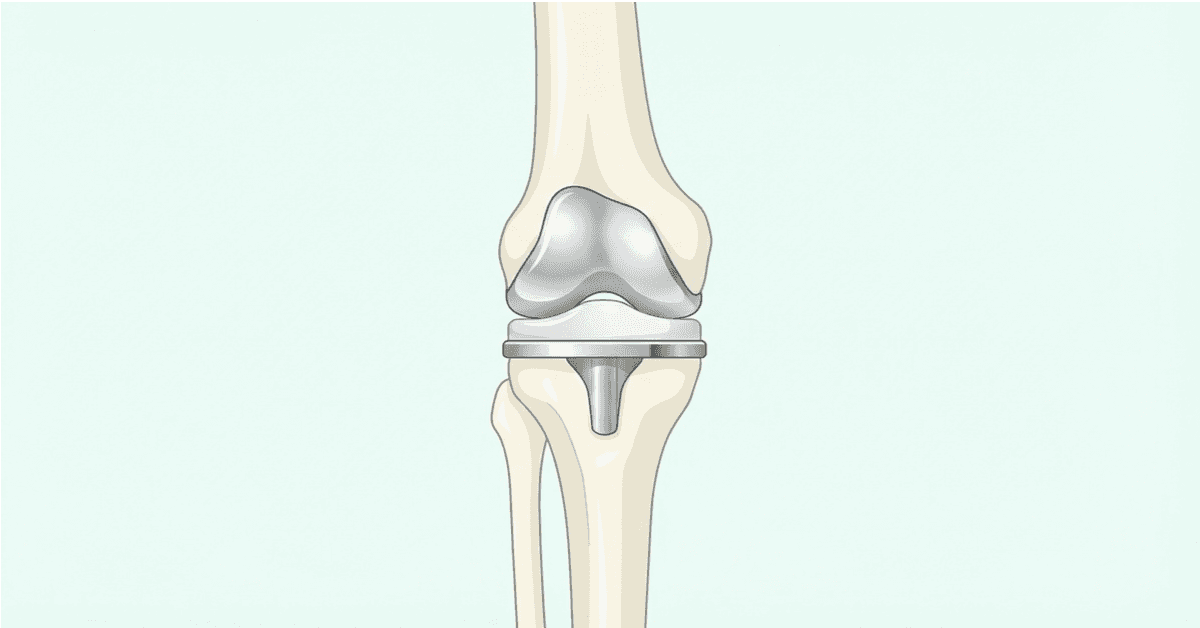
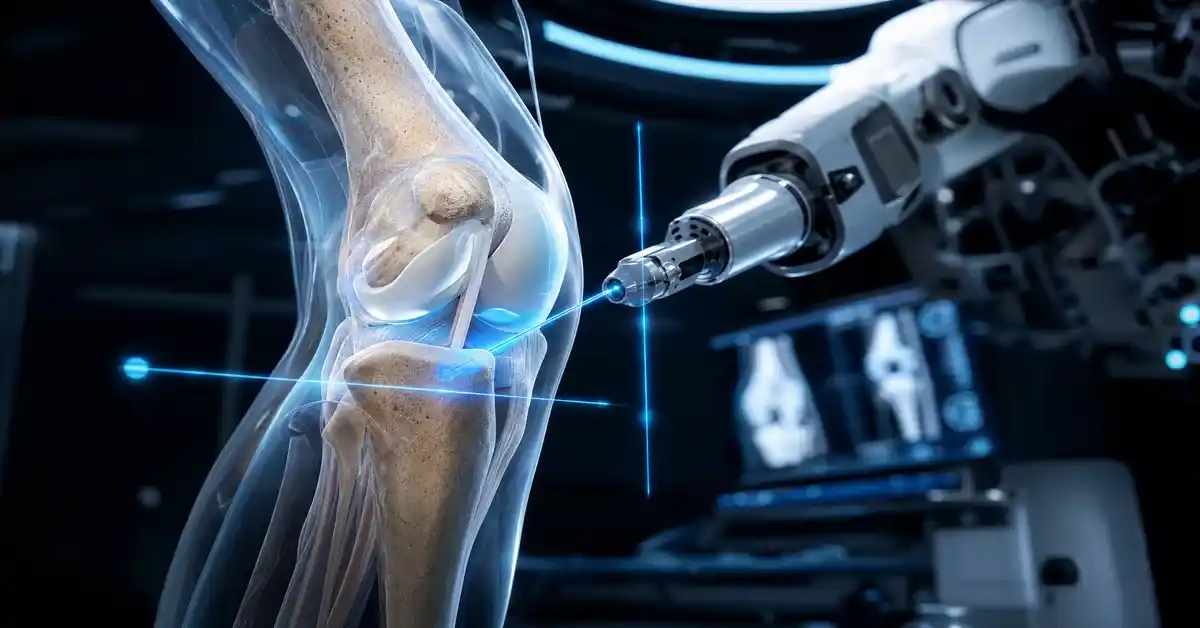
A robotic knee replacement is a surgical procedure where a damaged knee joint is replaced with an artificial implant using the assistance of a robotic arm. It is crucial to understand that the robot does not perform the surgery autonomously; rather, it acts as an extension of the surgeon's hands. The robotic system provides real-time data and visual guidance, allowing the surgeon to execute the procedure with a level of precision that is difficult to achieve with the human eye and hand alone.
Robotic-assisted knee replacement
The core of a robotic-assisted knee replacement lies in its meticulous pre-operative planning. Before the surgery, a CT scan of the patient's knee is taken to create a highly detailed, 3D virtual model. This model allows the surgeon to determine the exact size, placement, and alignment of the implant tailored specifically to the patient's unique anatomy. During the operation, the robotic arm guides the surgeon's tools, ensuring that bone removal is strictly confined to the pre-planned areas, thereby preserving healthy bone and surrounding tissues.
Robotic orthopedic surgery overview
The broader field of robotic orthopedic surgery encompasses various procedures, but its application in knee replacements is particularly transformative. The technology allows for dynamic adjustments during the surgery. As the surgeon moves the knee through its range of motion, the robotic system provides continuous feedback on ligament tension and joint kinematics. This enables the surgeon to fine-tune the implant's position in real-time, ensuring a perfectly balanced and stable knee joint.
Benefits of Robotic Knee Surgery
The advantages of utilizing robotic technology in knee replacements extend far beyond the operating room, significantly impacting the patient's recovery and long-term satisfaction.
Benefits of robotic knee surgery
One of the primary benefits of robotic knee surgery is the unparalleled accuracy in implant placement. This precision not only ensures a more natural feeling joint but also potentially extends the lifespan of the implant by reducing uneven wear and tear. Furthermore, the minimally invasive nature of the robotic approach means smaller incisions, which translates to less trauma to the surrounding muscles and tissues, reduced blood loss, and a lower risk of post-operative infections.
Robotic knee surgery benefits
Patients often experience significant robotic knee surgery benefits during their recovery phase. Because the procedure is less invasive and preserves more healthy tissue, patients typically report lower levels of post-operative pain compared to traditional surgery. This reduction in pain often leads to a decreased reliance on strong pain medications and allows patients to begin their physical therapy and rehabilitation much sooner, accelerating the overall healing process.
Is robotic knee surgery better
When asking, "Is robotic knee surgery better?", the answer largely depends on the individual patient's condition. However, clinical evidence increasingly suggests that for many patients, especially those with complex joint deformities or those requiring partial knee replacements, the robotic approach offers superior outcomes. The enhanced precision, reduced complication rates, and faster recovery times make it a highly compelling option for those seeking the best possible result from their joint replacement.

Robotic vs Traditional Knee Surgery
Understanding the differences between these two approaches is essential for patients making informed decisions about their healthcare.
Robotic knee surgery vs traditional
The main difference in robotic knee surgery vs traditional methods lies in the execution of the surgical plan. In traditional surgery, the surgeon relies on visual alignment guides and manual instruments to prepare the bone and place the implant. While effective, this method has a wider margin for error. Conversely, robotic surgery utilizes a 3D model and a robotic arm that restricts the surgeon's movements to the pre-defined plan, virtually eliminating the risk of cutting outside the intended boundaries.
Accuracy in robotic joint replacement
The accuracy in robotic joint replacement is its defining characteristic. The robotic system utilizes haptic feedback technology, which creates a virtual boundary (a "haptic boundary") around the surgical area. If the surgeon attempts to move the surgical tool outside this boundary, the robotic arm provides resistance and stops the tool from operating. This ensures that only the diseased bone is removed, protecting the vital ligaments and soft tissues that are crucial for knee stability.
Advanced knee replacement surgery
As a form of advanced knee replacement surgery, the robotic method is particularly beneficial for achieving optimal ligament balance. Proper ligament tension is critical for the knee to feel stable and function naturally. The real-time data provided by the robot allows the surgeon to assess and adjust this balance throughout the procedure, a level of dynamic customization that is simply not possible with traditional surgical techniques.
Robotic Knee Surgery Procedure
The procedure involves several meticulously planned steps to ensure the highest level of safety and efficacy.
Robotic knee surgery procedure
The robotic knee surgery procedure begins with the administration of anesthesia. Once the patient is comfortable, the surgeon makes an incision to access the knee joint. Reflective markers are then attached to the femur and tibia. These markers communicate with the robotic system's cameras, allowing the computer to track the exact position of the leg in space and match it to the pre-operative 3D model.
Total knee replacement robotic
During a total knee replacement robotic procedure, the surgeon uses the robotic arm to precisely sculpt the ends of the femur and tibia to match the shape of the artificial implant components. The robotic system ensures that the cuts are made at the exact angles required for perfect alignment. Once the bone is prepared, the surgeon secures the metal and plastic components of the new joint into place, carefully checking the range of motion and stability before closing the incision.
Pre-surgery preparation
Thorough pre-surgery preparation is vital for a successful outcome. This phase includes comprehensive medical evaluations, blood tests, and the crucial CT scan used to generate the 3D model of the knee. Patients are also advised on lifestyle modifications, such as weight management and smoking cessation, and are given specific instructions regarding their current medications to minimize any risks during the surgery.
Success Rate and Outcomes
The clinical outcomes of robotic-assisted procedures are a major factor driving their increasing popularity.
Robotic knee replacement success rate
The robotic knee replacement success rate is exceptionally high. Studies indicate that patients who undergo robotic-assisted surgery often experience better early functional outcomes and higher overall satisfaction rates compared to those who have traditional surgery. The precise alignment achieved by the robot significantly reduces the likelihood of implant failure, loosening, or instability, contributing to the long-term success of the procedure.
Robotic knee implant results
Long-term robotic knee implant results are highly promising. Because the implant is positioned with such exactness, the mechanical stress is distributed evenly across the joint. This even distribution minimizes the wear and tear on the artificial components, potentially extending the life of the implant well beyond the typical 15 to 20 years seen with traditional replacements, thereby reducing the need for future revision surgeries.
Pain-free recovery expectations
While a completely pain-free recovery expectations might be unrealistic for any major surgery, robotic procedures come remarkably close to minimizing post-operative discomfort. The preservation of healthy tissue and the exact balancing of the joint mean that the body experiences less surgical trauma. Consequently, patients generally report significantly lower pain scores in the days and weeks following the surgery, making the rehabilitation process much more manageable.
Recovery After Robotic Knee Surgery
The recovery phase is a critical period where the benefits of the robotic approach become highly evident.
Robotic knee surgery recovery
The initial robotic knee surgery recovery is typically faster and smoother. Many patients are able to stand and walk with the assistance of a walker or cane on the same day as their surgery. The reduced tissue damage means less swelling and inflammation, allowing patients to regain their range of motion more quickly and often resulting in a shorter hospital stay.
Robotic knee replacement recovery time
Overall, the robotic knee replacement recovery time is accelerated. While full recovery and a return to strenuous activities can still take several months, patients often reach key milestones—such as walking unassisted, driving, and returning to work—sooner than those who undergo traditional surgery. Adherence to the prescribed rehabilitation protocol is essential for maximizing these benefits.
Rehabilitation process
The rehabilitation process begins almost immediately after surgery. Physical therapy is crucial for strengthening the muscles around the new joint and restoring full flexibility. A dedicated physical therapist will guide the patient through specific exercises designed to improve mobility and ensure the long-term functional success of the robotic knee replacement.
Cost and Risks
Evaluating the financial aspects and potential complications is a necessary part of the decision-making process.
Robotic knee replacement cost
The robotic knee replacement cost can be higher than traditional surgery due to the advanced technology and specialized training required. However, when considering the potential for a shorter hospital stay, reduced need for pain medication, faster return to work, and the decreased likelihood of requiring a revision surgery in the future, many patients find that the long-term value and improved quality of life justify the initial investment.
Robotic knee replacement complications
Like any surgical procedure, there are potential robotic knee replacement complications, including infection, blood clots, and nerve damage. However, the enhanced precision and minimally invasive nature of the robotic approach actually help to mitigate many of these risks. The haptic boundaries prevent accidental damage to surrounding tissues, making the procedure inherently safer in many respects.
Choosing the best robotic knee surgeon
Choosing the best robotic knee surgeon is perhaps the most critical factor in ensuring a successful outcome. It is essential to select a board-certified orthopedic surgeon who has extensive, specific training and a high volume of experience in performing robotic-assisted joint replacements. A skilled surgeon combined with advanced robotic technology provides the highest probability of a successful, long-lasting result.
Conclusion
Robotic knee replacement surgery is a transformative procedure that offers unparalleled precision, faster recovery times, and superior long-term outcomes for patients suffering from debilitating knee pain. By combining the expertise of a skilled surgeon with the accuracy of advanced robotic technology, this approach ensures that the artificial joint is perfectly tailored to your unique anatomy. If chronic knee pain is limiting your life, exploring the option of robotic-assisted surgery could be your first step toward regaining your mobility and independence.
At Safemedigo, we are dedicated to guiding you through every step of your medical journey, connecting you with top specialists and state-of-the-art facilities. Discover how our tailored medical tourism services can help you achieve a successful robotic knee replacement and a pain-free future.
FAQ: Robotic Knee Replacement Surgery
Does the robot perform the surgery automatically?
No, the robot does not perform the surgery automatically. It is a highly advanced tool that is completely controlled by the orthopedic surgeon, enhancing their precision and control during the procedure.
Am I a good candidate for robotic knee surgery?
Most patients who are candidates for traditional knee replacement are also candidates for the robotic approach. Your surgeon will evaluate your specific condition, medical history, and joint damage to determine if it is the best option for you.
How long does the robotic knee surgery take?
The surgery itself typically takes about 1 to 2 hours, which is similar to the duration of a traditional knee replacement. However, the precise time can vary depending on the complexity of the individual case.
Will I have a large scar after robotic surgery?
Robotic surgery often allows for a smaller, more precise incision compared to traditional methods, which can result in a smaller and less noticeable scar, though this depends on the specific surgical approach used.
How soon can I return to normal activities?
Many patients can resume light daily activities within a few weeks. However, returning to more strenuous activities or sports may take several months and should only be done under the guidance of your surgeon and physical therapist.