









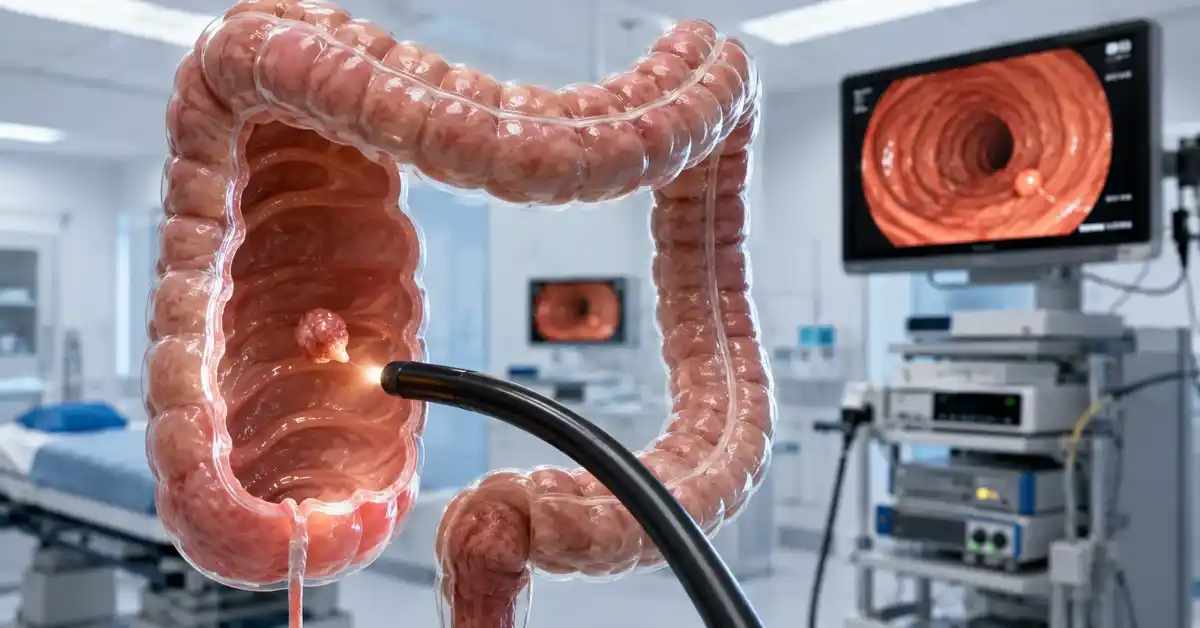
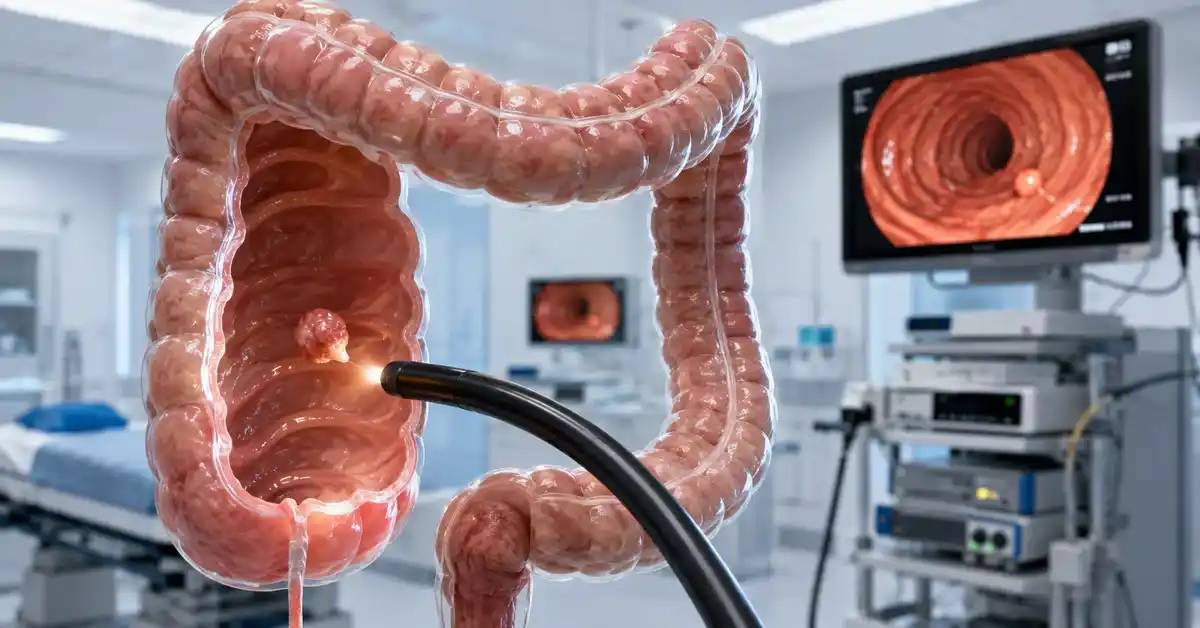
Colorectal cancer, often known as bowel cancer, is one of the most common and deadliest cancers worldwide. However, what sets this disease apart is that it is largely preventable if detected in its early stages. Most bowel cancers develop slowly over years from small, benign growths called polyps. These polyps are not initially cancerous, but over time, certain types can transform into malignant tumors. Herein lies the golden opportunity for preventive intervention, as removing these polyps before they become cancerous can prevent the disease from ever occurring.
In this context, preventive colonoscopy emerges as an invaluable tool in our fight against bowel cancer. This procedure is not just a diagnostic test; it is also a therapeutic and preventive measure. It allows doctors to view the entire colon from the inside, identify any abnormal growths, and remove them in the same session. This dual capability of detection and treatment has revolutionized the field of colon cancer prevention, turning what was once a disease diagnosed in late stages into a condition that can be effectively prevented and controlled.
In this comprehensive guide, we will delve into the importance of colonoscopy, explore who should undergo it, how to prepare for it, and what to expect from the results. Safemedigo is committed to providing you with accurate and reliable information to empower you to make informed decisions about your health. Understanding the role of colorectal cancer screening is the first and most crucial step toward protecting yourself and your loved ones from this silent disease and ensuring a healthier, safer future.
What Is Preventive Colonoscopy and Why Is It Done?
A preventive colonoscopy is the cornerstone of colorectal cancer prevention, a medical procedure that combines accurate diagnosis with the ability for immediate therapeutic intervention.
Definition of Preventive Colonoscopy
A colonoscopy is a medical examination that allows a doctor to look directly at the inner lining of the large intestine (colon and rectum). This is done using a thin, flexible instrument called a colonoscope, which is about the thickness of a finger. This scope has a small video camera and a light source at its tip, allowing live, high-definition images to be transmitted to a display screen. The colonoscope is inserted through the anus and slowly guided through the rectum and into the entire colon until it reaches the junction with the small intestine.
Importance of Colonoscopy for Early Detection
The importance of colonoscopy for early detection lies in its unique ability to discover pre-cancerous changes. Most cases of colon cancer begin as colon polyps, which are benign growths on the colon wall. These polyps may not cause any symptoms for years, but they carry the risk of turning into cancer over time. A colonoscopy allows the doctor to see these polyps clearly, even if they are very small, which many other colorectal screening tests cannot do with the same accuracy.
How It Helps in Bowel Cancer Prevention
The role of a colonoscopy test extends beyond mere detection; it is an effective preventive tool. If polyps are found during the examination, the doctor can remove them immediately using tiny instruments passed through a channel in the colonoscope. This process, known as a polypectomy, is the essence of bowel cancer prevention. By removing the polyps before they have a chance to turn into cancer, the disease is prevented from developing in the first place. This is why colonoscopy is considered the most effective procedure not only for early detection but also for the actual prevention of colon cancer.
Health Benefits of Preventive Colonoscopy
A preventive colonoscopy offers a range of health benefits that make it a vital investment in your long-term health, going beyond a routine check-up to become a protective shield against one of the most serious diseases.
Early Detection of Bowel Cancer
The most obvious benefit is the early detection of bowel cancer. When cancer is discovered in its early stages (Stage I or II), the chances of a complete cure are very high, and treatment is often less complex and has less impact on quality of life. Colonoscopy allows for the detection of tumors in their earliest stages, even before any signs of bowel cancer appear, giving the patient the best possible chance of survival and successfully overcoming the disease.
Routine Colonoscopy Screening
Undergoing routine colonoscopy screening as recommended by medical guidelines creates a health safety net. For people at average risk, it is typically recommended to have the screening every 10 years starting at age 45. This periodicity ensures continuous monitoring of colon health and provides an opportunity to detect and remove any new polyps that may grow between screenings in a timely manner. This proactive approach significantly reduces the risk of developing colon cancer over an individual's lifetime.
Colon Polyps Removal
The relationship between colon polyps and colonoscopy is a direct causal link in prevention. Polyps are the primary target of the screening. Through the identification and colon polyps removal, colonoscopy breaks the chain that leads to cancer development. It is important to understand that not all polyps turn into cancer, but most cancers start as polyps. Therefore, removing all polyps found is the safest and most effective strategy, which colonoscopy provides with high efficiency.

Who Should Get a Preventive Colonoscopy?
Determining who should undergo a colonoscopy and when depends on an assessment of individual risk factors, with general guidelines applying to most of the population.
Screening Colonoscopy Age 45
In recent years, leading health organizations such as the American Cancer Society have updated their recommendations, lowering the starting age for preventive colon cancer screening from 50 to 45 for people at average risk. This change came in response to the noticeable increase in colon cancer cases among younger adults. Therefore, undergoing a screening colonoscopy at age 45 has become the new standard recommendation to ensure early detection and prevention in a broader segment of the population.
High-Risk Individuals
Some people have a higher-than-average risk of developing colon cancer and may need to start screening at an earlier age or have it more frequently. These risk factors include:
- Family History: Having a first-degree relative (parent, sibling) with colon cancer or advanced polyps, especially if the diagnosis was before age 60.
- Personal History: A personal history of colon cancer or certain types of polyps.
- Inflammatory Bowel Disease: Having long-standing Crohn's disease or ulcerative colitis.
- Genetic Syndromes: Having known genetic syndromes that increase the risk of colon cancer, such as Lynch syndrome or Familial Adenomatous Polyposis (FAP).
Conditions That Require Early Screening
In addition to the risk factors mentioned above, there are certain symptoms that should not be ignored and may warrant a diagnostic colonoscopy regardless of age. These symptoms include blood in the stool, persistent changes in bowel habits (such as chronic diarrhea or constipation), persistent abdominal pain, unexplained weight loss, and a constant feeling of fatigue.
How to Prepare for a Colonoscopy
Proper colonoscopy preparation is crucial for the success of the examination. A completely clean colon allows the doctor a clear view of the entire lining, ensuring that no small polyps are missed.
Colonoscopy Preparation Steps
The goal of the preparation is to completely empty the colon of stool. This usually involves two main steps: following a special diet and taking a strong laxative solution. Your doctor will provide you with detailed instructions, and it is essential to follow them precisely. Any residue in the colon can obscure the view of polyps or tumors, which may require repeating the entire procedure.
Instructions Before the Test
The instructions usually begin a day or two before the examination:
- The Diet: The day before the colonoscopy, you will be asked to follow a clear liquid diet only. This includes water, clear broth, plain tea and coffee (no milk), clear soft drinks, and clear juices (like apple juice). You should avoid any red or purple liquids as they can stain the colon and look like blood.
- The Laxative Solution: The evening before the test (and sometimes the morning of the test as well), you will need to drink a large amount of a special laxative solution. This solution will cause frequent diarrhea to clean out the colon. It is important to drink the entire prescribed amount, even if it is uncomfortable.
- Medications: You should inform your doctor of all medications you are taking, especially diabetes medications, blood thinners, and blood pressure medications, as their dosages may need to be adjusted.
What to Expect During the Procedure
A colonoscopy is usually performed in an outpatient clinic or hospital. Before starting, you will be given a sedative intravenously to help you relax and feel comfortable (often conscious sedation, which means you will be asleep and will not feel anything). You will lie on your side, and the doctor will gently insert the colonoscope. A small amount of air or carbon dioxide may be pumped into the colon to expand it and improve the view. The procedure usually takes 30 to 60 minutes. Afterward, you will be monitored for an hour or two until the effect of the sedative wears off. You must have someone to drive you home, as you are not allowed to drive for the rest of the day.
Understanding Colonoscopy Results
After the procedure is over, the doctor will discuss the initial findings with you, while the results of any biopsies or removed polyps may take a few days to come back.
Normal and Abnormal Results
Normal Result (Negative): This means the doctor did not find any polyps or abnormal tissue in your colon. This is the best possible outcome.
Abnormal Result (Positive): This means that polyps or other abnormal tissue were found. Most polyps found are benign, but some can be pre-cancerous. All removed tissue will be sent to a laboratory for analysis under a microscope.
Managing Detected Polyps
If polyps are detected, the standard procedure is to remove them during the colonoscopy itself. This prevents them from growing and potentially turning into cancer in the future. Based on the number, size, and histological type of the polyps (determined by the lab analysis), your doctor will determine your risk level and recommend the date for your next follow-up screening.
When to Repeat Colonoscopy
The timing of your follow-up screening depends on the results of your current colonoscopy:
- If the result is normal: And you are at average risk, your next screening will usually be in 10 years.
- If small, non-advanced polyps are found: A repeat screening may be recommended in 5 to 10 years.
- If large, multiple, or advanced polyps are found: The next screening may be necessary in 3 years or even less.
- If cancer is detected: You will be referred to a specialized team to discuss further treatment options, such as surgery.
More Details About Colonoscopy
There are some common questions and concerns that patients may have about this important procedure, and clarifying them helps to alleviate anxiety.
When to Get a Colonoscopy
As mentioned, the answer depends on your risk factors. The general rule is: start at age 45 if you are at average risk. Start earlier (often at age 40, or 10 years before the age of the youngest diagnosed relative) if you have a family history. Consult your doctor if you have any concerning symptoms, regardless of your age. Always remember that colon cancer prevention is highly effective when the right steps are taken at the right time.
Is Colonoscopy Painful?
This is one of the most common concerns, and the answer is no. Thanks to the use of sedatives and conscious sedation, most patients do not feel any pain during the procedure and do not remember it afterward. You may feel some bloating or mild cramping after the test due to the air that was used, but this feeling quickly subsides. The most uncomfortable part of the whole process for most people is the preparation and drinking the laxative solution the day before.
Risks of Colonoscopy
Colonoscopy is considered a very safe procedure, and complications are rare. However, as with any medical procedure, there are some potential risks, which include:
- Bleeding: Bleeding may occur from the site of a polyp removal or biopsy. It is usually minor and stops on its own or can be controlled during the procedure.
- Perforation of the colon: This is a rare but serious complication where a hole is made in the wall of the colon. It may require surgery to repair.
- Reaction to the sedative: Some people may have an adverse reaction to the medications used for sedation.
Other Bowel Cancer Screening Methods
Although colonoscopy is considered the gold standard, there are other bowel cancer screening tests available that can be used in certain circumstances.
Bowel Cancer Screening Tests
Colorectal screening tests are generally divided into two categories: stool-based tests that look for signs of cancer in a stool sample, and visual tests that look directly inside the colon.
Colorectal Screening Tests
Other options include:
- Fecal Occult Blood Test (FOBT/FIT): This is a simple, non-invasive test done at home. It looks for tiny amounts of blood in the stool, which can be a sign of polyps or cancer. It should be done annually.
- Stool DNA Test (Cologuard): This test combines looking for blood with searching for abnormal DNA markers released by cancer cells or polyps. It is done every 3 years.
- Flexible Sigmoidoscopy: This is similar to a colonoscopy but examines only the lower part of the colon (the rectum and sigmoid colon). It is done every 5 years.
- CT Colonography (Virtual Colonoscopy): This uses a CT scanner to create 3D images of the colon. It is done every 5 years.
Comparison Between Screening Methods
The main advantage of stool-based tests and virtual colonoscopy is that they are less invasive. However, they have significant drawbacks. First, they are less sensitive in detecting polyps compared to colonoscopy. Second, and most importantly, if the result of any of these tests is positive, you will inevitably need a follow-up colonoscopy to confirm the result and remove any polyps or tumors. For this reason, colonoscopy remains the preferred and most comprehensive option, as it combines screening, diagnosis, and treatment in one effective procedure.
Read about: Colonoscopy Screening: Turkey vs Germany
Conclusion
Ultimately, a preventive colonoscopy represents more than just a medical screening; it is a proactive investment in your health and future. With its unique ability to both detect and prevent bowel cancer, it provides an incredibly powerful tool in our hands to protect ourselves from this deadly disease. The advancement in medical recommendations, such as starting screening at age 45, reflects a growing understanding of the importance of early intervention in combating this illness.
The preparation for the procedure may seem daunting, and there may be concerns about the process itself, but these hurdles pale in comparison to the life-saving benefit it offers. A few hours of discomfort can grant you years of peace of mind and good health. Knowledge is power, and your understanding now of the importance of colonoscopy and the available screening options puts you in control of your health.
Do not let fear or hesitation stop you from taking this crucial step. Undergoing a colonoscopy screening is one of the best decisions you can make for your long-term health. Talk to your doctor about your health history and risk factors, and schedule the recommended screening. Your health is worth this attention.
Frequently Asked Questions: Preventive Colonoscopy for Early Detection of Bowel Cancer
Can I return to work the day after a colonoscopy?
Yes, most people can resume their normal activities, including work, the day after the procedure. It is advisable to rest on the day of the procedure itself due to the effects of the sedative, but you should be able to return to your usual routine the next morning.
What if my colon preparation is incomplete?
If the colon is not completely clean, the doctor may not be able to see the lining clearly, which increases the risk of missing polyps. In some cases, the doctor may have to stop the procedure and schedule a new appointment with different preparation instructions. That is why it is essential to follow the preparation instructions precisely.
Are there alternatives to colonoscopy for people who cannot have it?
Yes, for patients who cannot undergo a colonoscopy for medical reasons, other tests such as virtual colonoscopy or stool tests can be used. However, it is important to remember that if the result of these tests is positive, a therapeutic colonoscopy is still necessary.
How often should I have a colonoscopy if I have a family history of the disease?
If you have a first-degree relative with colon cancer, you will likely need to start screening at age 40, or 10 years before the age your relative was diagnosed, whichever comes first. It is usually recommended to repeat the screening every 5 years instead of 10.
Does polyp removal affect bowel function?
No, polyp removal is a very superficial procedure and does not affect normal bowel function. Only a thin layer of the inner lining is removed, and the area heals quickly without any long-term impact on digestion or bowel habits.
.png&w=1920&q=70)