





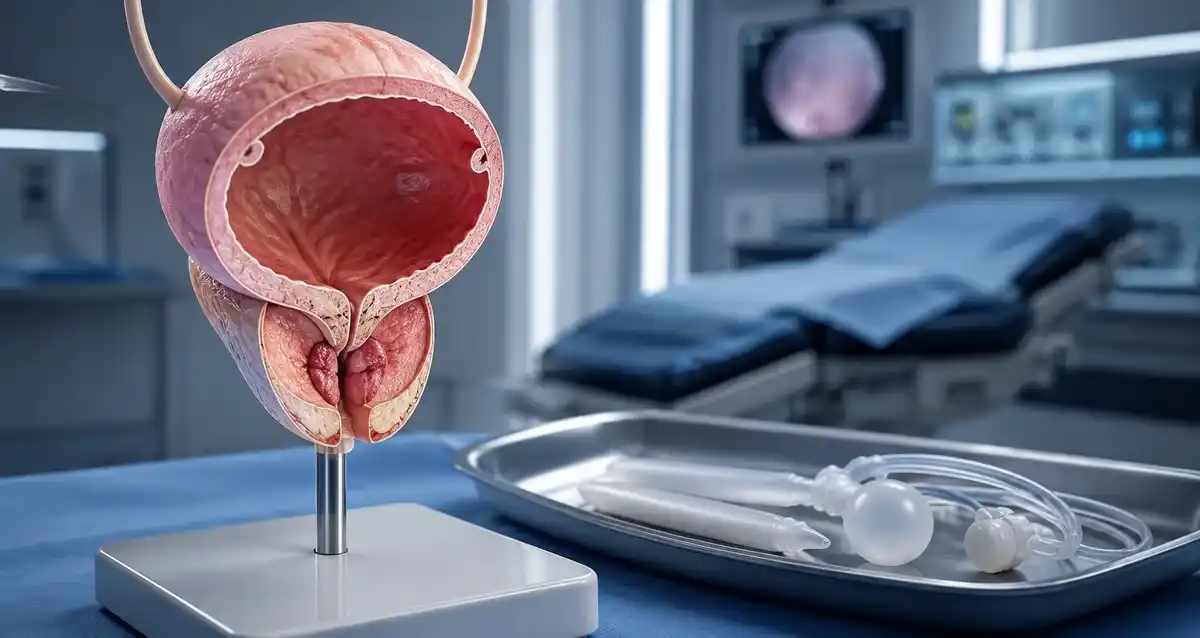
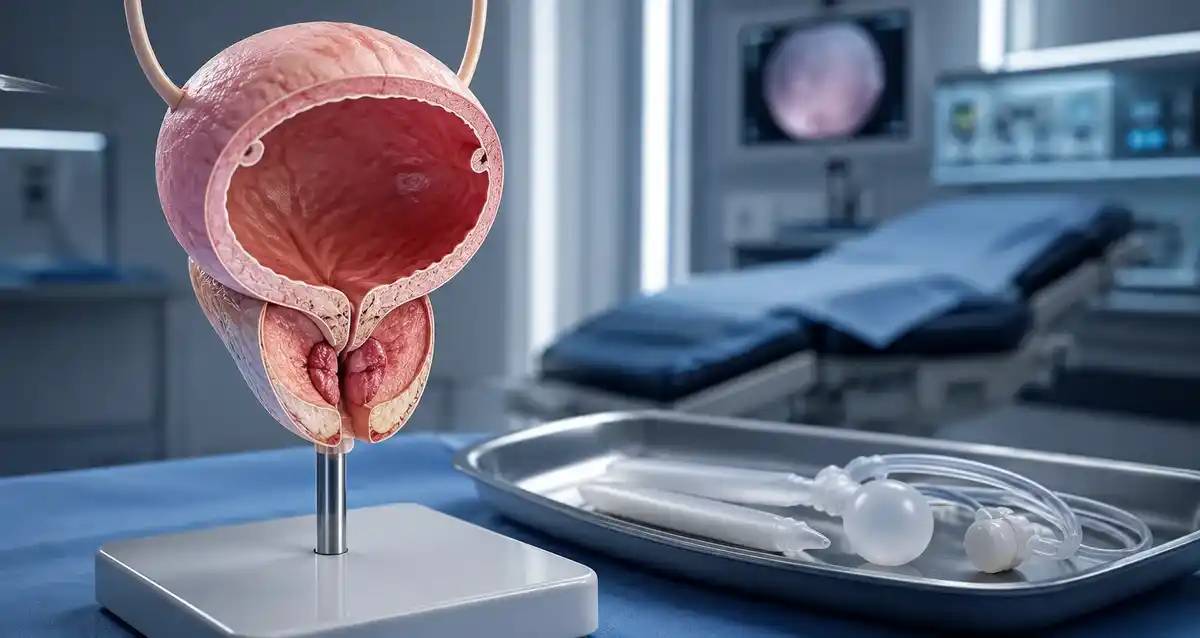
Erectile dysfunction after prostate removal can be a deeply sensitive and life-changing concern for many men. After prostatectomy, especially when surgery affects the nerves and blood vessels responsible for erections, some patients may find that medications, injections, or vacuum devices do not provide the firmness needed for satisfactory sexual activity. In these cases, a penile implant may become a reliable surgical option.
A penile implant after prostatectomy is not designed to treat the prostate itself. Instead, it helps restore the mechanical ability to achieve an erection firm enough for intercourse. For men who have already tried non-surgical treatments without acceptable results, penile implant surgery can offer a long-term solution with high satisfaction when the patient is properly selected and expectations are clearly discussed.
At Safemedigo, patients exploring ED treatment surgery after prostate removal receive private, respectful guidance to understand the types of penile implants, the surgical process, recovery after penile implant, possible risks, expected results, and cost considerations. This article explains what a penile implant is, when to get a penile implant, how the procedure works, and how to make an informed decision.
What Is a Penile Implant After Prostatectomy
A penile implant after prostatectomy is a medical device surgically placed inside the penis to help a man achieve an erection when natural erections are no longer reliable. It is commonly considered when erectile dysfunction after prostate removal does not improve enough with medication, penile injections, vacuum erection devices, or rehabilitation programs.
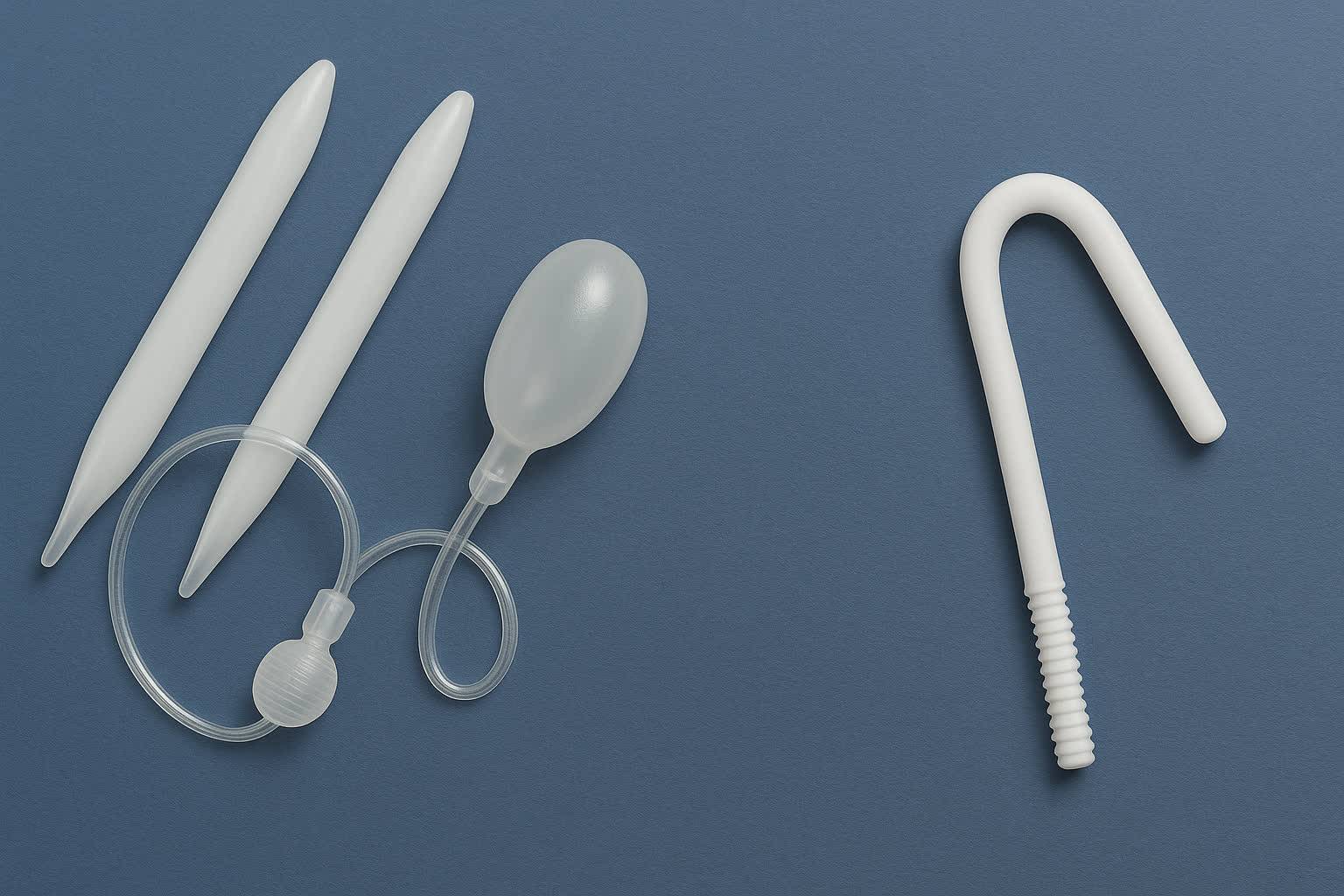
The implant is placed inside the erectile chambers of the penis. It is usually not visible from the outside when the surgery heals properly. Depending on the type of implant, the penis may either be manually positioned for intercourse or inflated when needed through a small pump placed inside the scrotum.
A penile implant does not increase sexual desire, does not treat low testosterone, and does not restore nerves damaged during prostate surgery. Its role is mechanical: it provides firmness. Sensation and orgasm may remain possible if the sensory nerves are intact, but ejaculation may already be changed or absent after prostate removal. This should be explained clearly before surgery.
Penile implant
A penile implant is a surgical device used to treat erectile dysfunction when other therapies are ineffective, unsuitable, or not preferred by the patient. It is also known as a penile prosthesis. The device is placed inside the penis to create controlled rigidity for sexual intercourse.
There are two main categories: inflatable penile implant and malleable penile implant. Inflatable devices allow the man to create an erection when desired and return the penis to a softer state afterward. Malleable devices remain semi-rigid and can be positioned manually.
A penile implant is usually considered a long-term solution. It is not a temporary medication or external device. For that reason, the decision should be made after a full medical evaluation, discussion of risks, explanation of alternatives, and clear understanding of expected results.
Erectile dysfunction after prostate removal
Erectile dysfunction after prostate removal may occur because the nerves controlling erections run close to the prostate. Even when nerve-sparing techniques are used, recovery can take time. Some men gradually improve over months, while others continue to experience severe erectile dysfunction.
Treatment may begin with non-surgical options such as:
- Oral erectile dysfunction medications.
- Penile injection therapy.
- Vacuum erection devices.
- Penile rehabilitation programs.
- Lifestyle and chronic disease management.
- Hormone evaluation when needed.
- Psychological support when anxiety or distress is present.
If these options do not provide a functional erection, penile implant surgery may be considered. The choice depends on the patient’s health, relationship goals, expectations, severity of erectile dysfunction, and readiness for a surgical solution.
When to get a penile implant
When to get a penile implant depends on the severity of erectile dysfunction, response to other treatments, and the patient’s goals. After prostatectomy, doctors may allow time for natural recovery or rehabilitation before recommending surgery, especially if there is a chance of nerve recovery.
A penile implant may be considered when:
- Oral medications are ineffective.
- Medications are not safe due to heart or blood pressure conditions.
- Penile injections are not acceptable or do not work well.
- Vacuum devices are uncomfortable or unsatisfactory.
- Erectile dysfunction is severe and persistent after prostate removal.
- The patient wants a long-term solution.
- The patient understands the benefits and limitations of surgery.
The best timing is individualized. The goal is not to rush into surgery, but also not to delay unnecessarily when other options have clearly failed and the patient is ready for a definitive treatment.
Read about: Types of Penile Implants: Pros and Cons of Each Type
Learn About the Types of Penile Implants
Types of penile implants differ in design, function, comfort, cost, and how natural they feel during daily life and sexual activity. The two main options are inflatable penile implants and malleable penile implants. Each has advantages, limitations, and specific patient profiles where it may be more suitable.
Choosing the best penile implant does not mean choosing the most expensive device. It means choosing the implant that fits the patient’s anatomy, hand function, medical history, expectations, and lifestyle. For example, some men prefer the simplicity of a malleable implant, while others prefer the more natural appearance and control of an inflatable implant.
Before surgery, the patient should understand how each device works, what it feels like, how it is used, and what complications may occur. A clear comparison helps reduce anxiety and improves satisfaction after surgery.
Types of penile implants
Types of penile implants include inflatable and malleable devices. Inflatable implants are the most commonly discussed advanced option because they allow the penis to become firm when the patient activates the pump and return to a softer state after use. They may be two-piece or three-piece systems depending on the design.
Malleable implants are bendable rods placed inside the penis. They remain semi-rigid all the time and can be positioned upward for intercourse or downward for concealment. They are simpler to use and have fewer mechanical components.
Main implant types include:
- Three-piece inflatable penile implant.
- Two-piece inflatable penile implant.
- Malleable penile implant.
The choice depends on the patient’s goals, ability to operate the pump, previous surgeries, health conditions, and cost considerations. A detailed consultation is essential before deciding.
Inflatable penile implant
An inflatable penile implant is designed to create an erection when the patient chooses. It typically includes cylinders placed inside the penis, a pump placed inside the scrotum, and in three-piece models, a fluid reservoir placed internally. When the pump is squeezed, fluid moves into the cylinders and creates firmness.
This type often provides a more natural appearance because the penis can be softer when the implant is deflated. Many men prefer it because it offers control over when the erection occurs and how long it lasts.
Advantages may include:
- More natural flaccid and erect states.
- Better concealment in daily life.
- Good rigidity for intercourse.
- High patient satisfaction when expectations are realistic.
Possible limitations include higher cost, more mechanical parts, and the need for the patient to learn how to operate the pump. It may not be ideal for men with poor hand function or difficulty manipulating small devices.
Malleable penile implant
A malleable penile implant consists of bendable rods placed inside the penis. The device keeps the penis firm enough for intercourse, and the patient manually positions it upward or downward as needed. It is mechanically simpler than an inflatable device.
This option may be suitable for men who want a straightforward solution or who may have difficulty operating an inflatable pump. It may also be considered when surgical simplicity is preferred.
Advantages may include:
- Simple use.
- Fewer mechanical components.
- No need to inflate or deflate.
- Often lower cost compared with inflatable systems.
- Practical option for selected patients.
Limitations may include a less natural flaccid appearance, possible difficulty with concealment, and constant semi-rigidity. For some patients, these trade-offs are acceptable, while others may prefer an inflatable penile implant.
Read about: Types of Penile Implants and Benefits of Flexible Devices
Penile Implant Surgery Process
The penile implant surgery process involves placing the selected device inside the penis through a controlled surgical approach. The operation is performed under anesthesia, and the surgeon chooses the incision site based on the implant type, patient anatomy, and surgical plan.
Before penile implant surgery, the patient undergoes medical evaluation. This may include reviewing diabetes control, heart disease, blood pressure, blood thinners, urinary symptoms, infection risk, previous prostate surgery details, and general anesthesia fitness. Preparation is especially important because infection prevention is one of the key priorities in penile prosthesis surgery.
The surgery must be performed with careful sterile technique and proper device sizing. Good outcomes depend not only on the implant itself, but also on surgical experience, patient selection, accurate measurement, and postoperative care.
Penile implant surgery
Penile implant surgery places cylinders or rods inside the erectile chambers of the penis. In an inflatable penile implant, additional components such as a pump and reservoir may also be placed. In a malleable penile implant, bendable rods are inserted without a pump system.
The surgery is usually planned after non-surgical options have been reviewed. It is not simply a cosmetic procedure; it is a functional ED treatment surgery for men with persistent erectile dysfunction.
Before the procedure, the doctor usually discusses:
- Type of implant.
- Expected firmness.
- Possible change in perceived length.
- Infection risk.
- Mechanical failure risk.
- Recovery period.
- When sexual activity can resume.
- How to use the device.
- What results are realistic after prostate removal.
This counseling is essential because satisfaction depends heavily on understanding what the implant can and cannot do.
Penile prosthesis surgery
Penile prosthesis surgery is another term for penile implant surgery. It is a specialized urological operation that requires attention to anatomy, infection prevention, and device placement. After prostate removal, the tissues may be affected by previous surgery, age, diabetes, vascular health, or long-term erectile dysfunction.
The surgical plan may vary depending on whether the patient receives an inflatable or malleable implant. For inflatable devices, the surgeon places the cylinders in the penis and the pump in the scrotum. If a three-piece implant is used, a reservoir is placed inside the body.
The patient may receive antibiotics before and after surgery according to the doctor’s protocol. The wound is closed, dressing is applied, and the patient receives instructions for rest, hygiene, pain control, and follow-up.
Surgical steps
Surgical steps may vary slightly, but the general process follows a structured plan to improve safety and function. The patient is prepared, anesthesia is given, and the surgical area is cleaned carefully to reduce infection risk.
Typical surgical steps include:
- Medical evaluation and implant selection.
- Review of medications and chronic diseases.
- Anesthesia administration.
- Sterile preparation of the surgical field.
- Small incision in the planned area.
- Preparation of the erectile chambers.
- Measurement for correct implant size.
- Placement of implant cylinders or rods.
- Placement of pump and reservoir for inflatable devices.
- Device testing during surgery.
- Closing the incision.
- Dressing and recovery monitoring.
The exact technique depends on the surgeon’s plan and the selected device. The aim is to achieve functional rigidity while minimizing complications.

Results and Success Rates
Results after penile implant surgery are often very satisfying for properly selected patients. The goal is to restore reliable firmness for intercourse, not to restore natural nerve-driven erections. This distinction is important after prostatectomy because nerve injury may be the original reason for erectile dysfunction.
Penile implant success rate depends on surgical technique, infection prevention, device quality, patient health, diabetes control, and realistic expectations. A patient who understands how the implant works before surgery is more likely to feel satisfied afterward.
Penile implant results may include better confidence, improved sexual function, reduced dependence on medications, and restored ability to engage in penetrative intercourse. However, patients should be informed that the implant does not increase sexual desire, does not improve orgasm if unrelated nerve or psychological issues exist, and may not restore pre-surgery penile length.
Penile implant success rate
Penile implant success rate is generally high when success is defined as the ability to achieve firmness suitable for intercourse. Satisfaction rates are also often high in published reports, especially when patients receive proper counseling before surgery.
Factors that support success include:
- Correct patient selection.
- Choosing the right implant type.
- Experienced surgical technique.
- Good diabetes control.
- Treating infection before surgery.
- Proper wound care.
- Following activity restrictions.
- Learning how to use the device.
- Realistic expectations.
Success does not mean zero risk. Infection, pain, mechanical failure, or revision surgery can occur, although careful preparation and follow-up help reduce these risks.
Penile implant results
Penile implant results become clearer after healing is complete and the patient learns how to use the device. In the first few weeks, swelling, bruising, discomfort, and sensitivity are expected. These symptoms usually improve gradually.
Expected results may include:
- Reliable firmness for intercourse.
- Better control over erection timing.
- Less dependence on oral medications.
- Improved confidence for many patients.
- A long-term solution for severe ED.
- Functional improvement after prostate removal.
Patients should understand that perceived penile length may be different from before prostate surgery or before long-term erectile dysfunction. This is not always caused by the implant itself; tissue changes and lack of natural erections over time can affect perception. Preoperative counseling helps prevent disappointment.
Patient satisfaction with penile implant
Patient satisfaction with penile implant is often closely linked to expectations. Men who understand the device, know how to use it, and are prepared for the recovery period usually adapt better. Partner communication may also improve satisfaction when appropriate.
Satisfaction may be higher when:
- The patient understands the type of implant.
- The device matches lifestyle needs.
- The patient receives training after surgery.
- Pain and swelling are managed properly.
- The patient does not expect the implant to restore ejaculation after prostatectomy.
- The patient understands that desire and orgasm may depend on other factors.
- Follow-up care is available.
Patient satisfaction with the penile implant is not only about rigidity. It is also about comfort, confidence, ease of use, privacy, and feeling supported throughout the treatment journey.
Read about: Hydraulic Penile Implant vs Flexible: Which Offers Better Control
Cost and Considerations
Cost of a penile implant varies depending on the type of device, surgical setting, doctor experience, anesthesia, hospital services, tests, medications, follow-up, and support services. Because every case is different, it is not appropriate to provide one fixed cost for all patients.
Inflatable penile implants are usually more costly than malleable implants because they are more complex and include multiple components. However, the best penile implant should not be chosen by cost alone. Function, comfort, safety, and suitability are equally important.
Patients should request a clear written treatment plan that explains what is included. This may include the implant type, surgeon fees, hospital costs, anesthesia, preoperative tests, medications, follow-up visits, and coordination services if applicable. Transparent planning reduces stress and prevents misunderstandings.
Cost of a penile implant
Cost of a penile implant is influenced mainly by implant type. Malleable devices are often simpler and may be more affordable. Inflatable devices, especially three-piece systems, tend to be higher in cost because of their more advanced design and more natural function.
The cost may include:
- Implant device.
- Surgical procedure.
- Anesthesia.
- Hospital or surgical facility.
- Preoperative tests.
- Postoperative medications.
- Follow-up visits.
- Medical coordination services when included.
When comparing costs, patients should not only ask for the final amount. They should ask what the plan includes and whether any additional expenses may appear later. A lower initial cost may not always include important services, while a higher cost should still be justified by quality and clarity.
Choosing the best penile implant
Choosing the best penile implant depends on the patient’s medical condition, lifestyle, expectations, and ability to use the device. There is no single best penile implant for everyone. The best option is the one that provides the right balance of function, safety, comfort, and practicality.
Factors to consider include:
- Inflatable or malleable design.
- Ease of use.
- Daily comfort.
- Natural appearance.
- Hand function and ability to operate a pump.
- Previous prostate surgery details.
- Diabetes or infection risk.
- Cost and included services.
- Surgeon experience.
- Patient and partner expectations.
A thoughtful decision is better than simply choosing the most advanced device. The implant should fit the patient’s real needs.
Factors affecting cost
Factors affecting cost include medical, technical, and service-related elements. The type of implant is important, but not the only factor. Some patients may require additional testing because of heart disease, diabetes, blood thinner use, urinary symptoms, or previous surgeries.
Cost may be affected by:
- Type of implant.
- Device quality and model.
- Surgeon experience.
- Hospital setting.
- Anesthesia type.
- Preoperative evaluation.
- Length of stay if required.
- Medications.
- Follow-up care.
- Additional medical preparation.
- Support services for traveling patients.
The safest approach is to choose a plan that is clear, complete, and medically appropriate. Cost matters, but it should not override safety and quality.
Read about: Latest Controllable Penile Implants: Features and Benefits
Recovery After Surgery
Recovery after penile implant surgery requires patience and careful adherence to instructions. In the first days, patients may experience swelling, bruising, discomfort, and tenderness. These symptoms are expected and usually improve with rest, medication, and follow-up.
Recovery after a penile implant depends on the implant type, general health, diabetes control, wound healing, and whether any complications occur. The patient must avoid sexual activity until the doctor confirms that healing is sufficient. Inflatable devices usually require later training on how to inflate and deflate the implant.
Many men can return to light activities relatively soon, but strenuous activity and sexual intercourse require more time. The exact timeline should always be determined by the treating doctor.
Recovery after a penile implant
Recovery after a penile implant usually happens in stages. The early stage focuses on wound healing, pain control, swelling reduction, and infection prevention. The patient should not operate the device before receiving permission.
Recovery may include:
- Rest during the first days.
- Taking pain medication as prescribed.
- Keeping the wound clean and dry.
- Avoiding heavy lifting.
- Avoiding sexual activity until cleared.
- Attending follow-up visits.
- Learning device use later.
- Watching for signs of infection.
Warning signs that need medical attention include fever, increasing pain, severe redness, pus-like discharge, unusual swelling, difficulty urinating, or sudden device-related problems. Good recovery is a major part of successful results.
Postoperative care
Postoperative care helps reduce complications and improve comfort. Instructions should be followed exactly, because early mistakes may increase the risk of wound problems or infection.
Important postoperative care steps include:
- Take prescribed medications correctly.
- Keep the surgical area clean.
- Avoid early sexual activity.
- Do not activate an inflatable implant before instruction.
- Use supportive underwear if recommended.
- Avoid strenuous activity temporarily.
- Avoid swimming or hot baths until the incision heals.
- Monitor swelling and redness.
- Attend all follow-up appointments.
- Ask before returning to physically demanding work.
Each patient may receive slightly different instructions based on the implant type and surgical technique. The doctor’s instructions should always guide recovery.
Returning to normal life
Returning to normal life after penile implant surgery is gradual. Many patients resume light daily activities before they resume sexual activity. The timeline depends on healing, discomfort, and the doctor’s assessment.
For inflatable implants, returning to normal sexual function also includes learning how to use the pump. At first, this may feel unfamiliar. With training and practice, most patients become more comfortable.
Helpful steps include:
- Avoid rushing sexual activity.
- Learn device operation from the medical team.
- Report pain during activation.
- Follow hygiene instructions.
- Gradually return to exercise.
- Be patient with emotional adjustment.
- Discuss concerns openly during follow-up.
Returning to normal life is not only physical healing. It also includes confidence, privacy, and adapting to the device.
Read about: Penile Implant Surgery Success Rates: What Patients Should Expect
Risks and Complications
Risks of penile implant surgery are similar to other surgical procedures, with some device-specific concerns. Most patients recover well, but it is important to understand possible complications before making a decision.
Potential risks include infection, bleeding, swelling, pain, device malfunction, erosion, difficulty using the implant, and need for revision surgery. Newer devices are designed to be reliable, but no implant is guaranteed to last forever without any issue.
Risk may be higher in patients with uncontrolled diabetes, active infection, immune problems, smoking, poor wound healing, or complex previous surgery. Careful preparation before surgery and proper postoperative care help reduce complications.
Risks of penile implant
Risks of penile implant surgery should be discussed openly during consultation. The patient should understand that although the procedure is generally safe for suitable candidates, it is still surgery.
Possible risks include:
- Infection.
- Bleeding or hematoma.
- Pain or prolonged discomfort.
- Swelling and bruising.
- Device malfunction.
- Erosion into surrounding tissue.
- Injury to nearby structures.
- Need for revision surgery.
- Dissatisfaction with length or appearance.
These risks do not mean the operation should be avoided in all cases. They mean the patient should be prepared, medically optimized, and treated by an experienced surgical team.
Complications of the penile implant
Complications of the penile implant may appear early or late. Early complications may include pain, swelling, bruising, bleeding, urinary difficulty, or infection. Later complications may include mechanical issues, device erosion, difficulty operating the pump, or dissatisfaction with function.
Potential complications include:
- Infection around the device.
- Mechanical failure over time.
- Pump difficulty in inflatable devices.
- Persistent pain.
- Tissue erosion in rare cases.
- Revision surgery.
- Cosmetic concerns.
- Device displacement.
Not all complications are common, but each should be explained clearly. A well-informed patient is more likely to recognize warning signs early and seek help promptly.
Minimizing risks
Minimizing risks begins before surgery. Good preparation, infection prevention, diabetes control, proper device selection, and careful surgical technique all reduce the chance of complications. The patient’s role after surgery is also important.
Ways to minimize risks include:
- Control blood sugar before surgery.
- Stop smoking when possible.
- Treat urinary or skin infections before surgery.
- Inform the doctor about all medications.
- Follow blood thinner instructions if applicable.
- Choose the appropriate implant type.
- Take antibiotics if prescribed.
- Keep the incision clean and dry.
- Avoid early sexual activity.
- Attend follow-up visits.
- Contact the doctor if warning signs appear.
Risk reduction is a shared process between the surgeon, medical team, and patient. Preparation and follow-up matter as much as the surgery itself.
Read about: Post-Surgery Penile Implant Rehab: Tips for Restoring Healthy Intimacy
Conclusion
A penile implant after prostate removal can be an effective surgical solution for men with severe erectile dysfunction after prostatectomy, especially when medications, injections, or other non-surgical methods no longer provide satisfactory results. It offers a functional way to restore firmness for sexual activity and may improve confidence and quality of life.
The best outcome depends on proper evaluation, choosing the right device, understanding the differences between inflatable and malleable implants, preparing well before surgery, and following recovery instructions carefully. Although penile implant surgery is generally safe for suitable patients, risks such as infection, pain, mechanical problems, or revision surgery should be discussed honestly before treatment.
Frequently Asked Questions: Penile Implant After Prostate Removal
Does a penile implant treat erectile dysfunction after prostate removal?
Yes, a penile implant can treat the mechanical side of erectile dysfunction after prostate removal by creating firmness suitable for intercourse. It does not repair damaged nerves or restore ejaculation changes caused by prostatectomy, but it can provide a reliable functional solution.
What is the best penile implant after prostatectomy?
The best penile implant after prostatectomy depends on the patient’s health, expectations, anatomy, hand function, and lifestyle. Inflatable implants often provide a more natural appearance and control, while malleable implants are simpler to use. The best choice should be personalized.
How long is recovery after penile implant surgery?
Recovery after penile implant surgery usually takes several weeks. Many patients return to light activities earlier, but sexual activity should wait until the doctor confirms healing and teaches device use. The exact timeline depends on the patient’s condition and implant type.
What are the main risks of penile implant surgery?
The main risks of penile implant surgery include infection, bleeding, pain, swelling, device malfunction, erosion, difficulty using the device, and possible need for revision surgery. Careful preparation and good postoperative care help reduce these risks.
What affects the cost of a penile implant?
Cost of a penile implant depends on implant type, device quality, surgeon experience, hospital services, anesthesia, tests, medications, follow-up, and support services. A personal evaluation is needed because costs vary by case and treatment plan.