









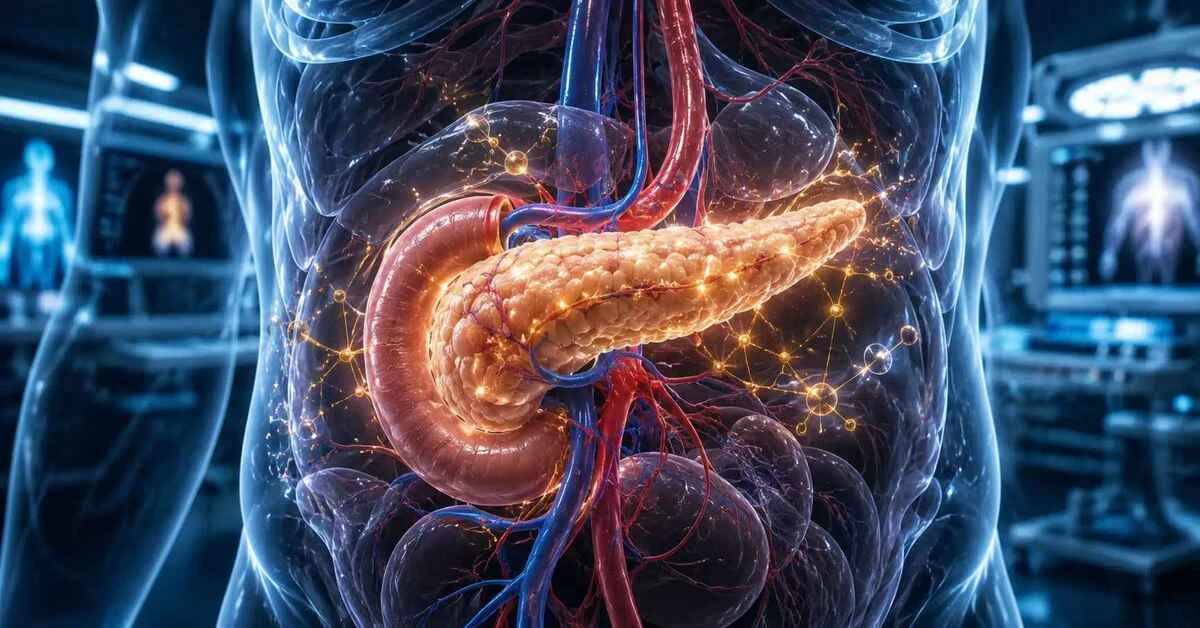
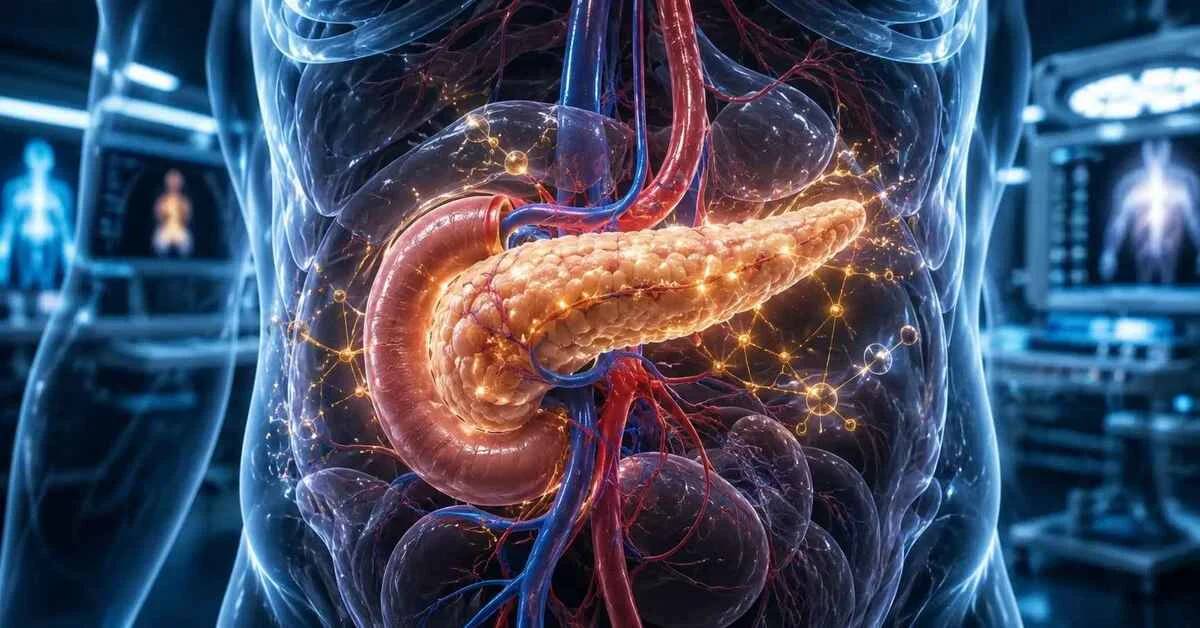
A pancreas transplant for diabetes is an advanced organ transplant procedure that may be considered for selected patients with severe insulin-dependent diabetes, especially when blood sugar control is extremely difficult or when serious complications such as kidney failure develop. For most people with diabetes, insulin therapy, medications, glucose monitoring, nutrition planning, and lifestyle care remain the main treatment options. However, in specific complex cases, transplant surgery may offer a different pathway.
At Safemedigo, complex diabetes-related transplant cases are approached through careful medical report review, evaluation of diabetes history, kidney function, complications, and the patient’s overall health. A pancreas transplant is not a routine solution for every person with diabetes. It requires a specialized transplant team, detailed eligibility assessment, and long-term follow-up after surgery.
This article explains the pancreas transplant procedure, pancreas transplant eligibility, whether a pancreas transplant can cure diabetes, expected outcomes, kidney-pancreas transplant options, recovery, risks, cost factors, and life after pancreas transplant.
Pancreas Transplant Overview
A pancreas transplant is a surgical procedure in which a healthy donor pancreas is placed into a patient whose pancreas can no longer produce enough insulin effectively. The main goal is to restore insulin production and help stabilize blood sugar in carefully selected patients, especially those with type 1 diabetes or severe insulin-dependent diabetes.
A pancreas transplant for diabetes is usually considered when standard treatment is not enough to protect the patient from serious complications. It may also be considered when diabetes has led to advanced kidney disease and a combined kidney-pancreas transplant is needed.
This procedure is highly specialized. It requires not only surgery but also immune-suppressing medications, infection prevention, regular blood tests, and continuous follow-up. For this reason, the decision must be based on a careful balance between potential benefits and pancreas transplant risks.
Pancreas transplant
A pancreas transplant is designed to replace the insulin-producing function of the damaged or failing pancreas. In diabetes, the body may not produce enough insulin, or may not use insulin properly. In selected insulin-dependent patients, a transplanted pancreas may begin producing insulin and help the body control blood sugar more naturally.
The transplanted pancreas is usually placed in the lower abdomen and connected to blood vessels and digestive or urinary drainage pathways, depending on the surgical technique used. In many cases, the patient’s original pancreas is not removed unless there is a specific medical reason.
Pancreas transplant is not a simple alternative to insulin for all patients. It is a major organ transplant pancreas procedure that requires lifelong medical commitment. The patient must take immune-suppressing medications to prevent rejection and must attend regular follow-up appointments to monitor the transplanted organ.
Pancreas transplant diabetes
Pancreas transplant diabetes treatment is most commonly discussed in patients with type 1 diabetes, particularly when there are severe complications or kidney failure. It may also be evaluated in selected insulin-dependent patients when medical criteria are met, but this decision requires specialist review.
Pancreas transplant diabetes care may be considered when a patient has:
- Severe insulin-dependent diabetes.
- Repeated dangerous low blood sugar episodes.
- Difficulty recognizing hypoglycemia.
- Advanced kidney disease related to diabetes.
- Need for kidney-pancreas transplant.
- Major blood sugar instability despite treatment.
- Reduced quality of life due to severe glucose fluctuations.
The goal is not only to reduce insulin use, but also to protect the patient from dangerous blood sugar swings and related complications. However, diabetes transplant surgery must be reserved for carefully selected patients because of the need for immune suppression and close monitoring.
Can It Cure Diabetes
One of the most common questions is: Can a pancreas transplant cure diabetes? In successful cases, a transplanted pancreas may produce insulin and allow the patient to stop insulin injections for a long period. This can feel like a major transformation for patients who have lived with severe diabetes for many years.
However, the word “cure” must be used carefully. A pancreas transplant may restore insulin production, but the patient still needs long-term immune-suppressing medication to keep the transplanted organ working. These medications require monitoring and may increase infection risk.
Therefore, a pancreas transplant can provide excellent blood sugar control for selected patients, but it does not mean the patient no longer needs medical care. Pancreas transplant outcomes depend on the patient’s condition, transplant type, center experience, and adherence to treatment.
Can a pancreas transplant cure diabetes
Can a pancreas transplant cure diabetes completely? In many successful cases, the patient may no longer need insulin injections because the transplanted pancreas produces insulin. This can improve blood sugar stability and reduce episodes of severe high or low blood sugar.
Still, the patient must continue medical follow-up. Instead of insulin, they may need immune-suppressing drugs for as long as the transplanted pancreas is functioning. These drugs help prevent rejection, but they may cause side effects and increase the risk of infection.
A more realistic answer is that a pancreas transplant can control diabetes very effectively in selected patients, but it is not a simple or universal cure. It is usually considered when the benefits of improved blood sugar control are greater than the risks of transplant surgery and lifelong immune suppression.
Pancreas transplant outcomes
Pancreas transplant outcomes can be highly meaningful for suitable patients. When the transplanted pancreas works well, the patient may experience more stable blood sugar, fewer severe hypoglycemia episodes, and reduced or eliminated need for insulin therapy.
Possible pancreas transplant outcomes include:
- Improved blood sugar control.
- Reduced severe hypoglycemia.
- Insulin independence in successful cases.
- Improved quality of life.
- Better metabolic stability.
- Protection of a transplanted kidney in combined cases.
- Reduced fear of sudden glucose crashes.
However, outcomes vary from patient to patient. Age, heart health, kidney function, infection risk, surgical history, immune response, and adherence to medications all influence results. The best pancreas transplant outcomes are usually seen when the patient is carefully selected and monitored by an experienced transplant team.
Eligibility and Procedure
Pancreas transplant eligibility is based on more than having diabetes. The patient must have a strong medical reason for transplant and must be healthy enough to tolerate major surgery and long-term immune suppression. This is why the evaluation process is detailed and multidisciplinary.
The transplant team usually reviews the patient’s diabetes history, kidney function, heart and vascular health, infection status, weight, previous surgeries, and ability to follow medical instructions. If the risks are too high, other diabetes or pancreas failure treatment options may be recommended instead.
The pancreas transplant procedure includes evaluation, donor matching, surgery, hospital recovery, immune-suppressing therapy, and long-term monitoring. The patient must understand every stage before making a decision.
Pancreas transplant eligibility
Pancreas transplant eligibility may include patients with severe insulin-dependent diabetes, especially those with kidney failure or repeated dangerous hypoglycemia that cannot be managed safely with standard treatment. It may also be considered in patients needing a kidney-pancreas transplant.
Common factors in pancreas transplant eligibility include:
- Strong medical indication for transplant.
- Ability to tolerate major surgery.
- Suitable heart and vascular health.
- No active severe infection.
- Ability to take immune-suppressing medications.
- Commitment to long-term follow-up.
- Understanding of pancreas transplant risks.
- Stable enough general condition for surgery.
Not every patient with diabetes is eligible. Some patients may benefit more from advanced insulin therapy, continuous glucose monitoring, kidney treatment, or other medical options. Eligibility must always be decided by a specialized transplant team.
Pancreas transplant procedure
The pancreas transplant procedure is performed under general anesthesia. The donor pancreas is placed in the patient’s abdomen and connected to blood vessels so it can receive blood and function. Depending on the surgical approach, drainage from the transplanted pancreas may be connected to the intestine or bladder.
Before the pancreas transplant procedure, the patient undergoes blood tests, heart evaluation, infection screening, imaging, medication review, and transplant team assessment. Once a suitable donor pancreas becomes available, surgery is planned according to urgency and medical readiness.
After surgery, the patient is monitored closely for:
- Blood sugar changes.
- Function of the transplanted pancreas.
- Signs of rejection.
- Signs of infection.
- Blood clots or bleeding.
- Kidney and liver function.
- Effects of immune-suppressing medications.
The procedure is only the beginning of the treatment journey. Follow-up care is essential for long-term success.
Types of Transplant
There are different types of pancreas transplant, and the right option depends mainly on kidney function and diabetes complications. The most common options include kidney-pancreas transplant, pancreas after kidney transplant, and pancreas transplant alone in selected cases.
A kidney-pancreas transplant is often considered when diabetes has caused advanced kidney disease. In this situation, both organs may be transplanted to address kidney failure and insulin-dependent diabetes together. In other cases, a patient may receive a kidney transplant first and a pancreas transplant later.
A pancreas donor transplant depends on the availability of a suitable donor organ and strict medical matching. The timing may be unpredictable, so the patient must remain medically prepared while waiting.
Kidney pancreas transplant
A kidney pancreas transplant may be recommended for patients with insulin-dependent diabetes and advanced kidney failure. In this approach, the patient receives both a donor kidney and a donor pancreas, either in the same operation or according to a coordinated transplant plan.
The potential benefit of a kidney-pancreas transplant is that it treats two major problems at once. The kidney transplant replaces lost kidney function, while the pancreas transplant may improve blood sugar control and reduce or eliminate the need for insulin.
This type of diabetes transplant surgery requires careful evaluation because it is a major procedure. The medical team must assess heart health, vascular condition, infection risk, surgical risk, and the patient’s ability to take immune-suppressing medications consistently after transplant.
Pancreas donor transplant
A pancreas donor transplant uses a pancreas from a medically suitable donor. Most pancreas transplants are performed using organs from deceased donors. The donor organ must meet strict quality, safety, and compatibility standards before it can be used.
The pancreas donor transplant process includes:
- Donor medical evaluation.
- Blood type and compatibility review.
- Organ quality assessment.
- Infection screening.
- Surgical timing coordination.
- Matching with a suitable recipient.
Patients waiting for a donor pancreas may need to stay medically optimized. Blood sugar control, kidney care, heart health, infection prevention, and general condition must be managed carefully during the waiting period. A suitable donor pancreas may not be available immediately, so preparation and monitoring are important.

Cost and Success Rate
Pancreas transplant cost varies widely because the procedure is complex and highly individualized. It is not only the cost of surgery. The full treatment pathway may include evaluation, laboratory tests, imaging, hospital stay, intensive care, immune-suppressing medications, follow-up visits, and management of complications.
A patient who needs a pancreas transplant alone may have a different treatment plan from a patient who needs a kidney-pancreas transplant. Hospital stay, medical condition, transplant type, and recovery needs can all affect the overall plan.
Pancreas transplant success rate also varies. It depends on center experience, patient selection, transplant type, donor organ quality, immune response, and adherence to medication and follow-up.
Pancreas transplant cost
Pancreas transplant cost cannot be accurately described with one general number because each case is different. The cost may be affected by the type of transplant, whether a kidney transplant is also needed, the length of hospital stay, intensive care needs, medications, and possible complications.
Factors that may influence pancreas transplant cost include:
- Type of transplant required.
- Pancreas-only or kidney-pancreas transplant.
- Pre-transplant evaluation.
- Hospital and intensive care stay.
- Laboratory and imaging follow-up.
- Immune-suppressing medications.
- Infection prevention and treatment.
- Management of complications.
- Long-term monitoring.
Patients should not make decisions based only on cost. Choosing among the best pancreas transplant hospitals should include experience, safety, transplant outcomes, follow-up systems, and ability to manage complications.
Pancreas transplant success rate
Pancreas transplant success rate depends on many medical and surgical factors. A patient who is carefully evaluated, treated at an experienced transplant center, and committed to medications and follow-up may have a better chance of long-term success.
Factors that affect pancreas transplant success rate include:
- Type and severity of diabetes.
- Kidney function and kidney transplant needs.
- Heart and vascular health.
- Donor organ quality.
- Type of transplant procedure.
- Infection risk.
- Center experience.
- Medication adherence.
- Early detection of rejection.
Success means more than completing the operation. It means the transplanted pancreas works, blood sugar becomes stable, complications are controlled, and the patient can maintain long-term follow-up safely.
Recovery and Life After
Pancreas transplant recovery begins in the hospital and continues for months after surgery. The first stage focuses on monitoring blood sugar, checking the transplanted pancreas, preventing infection, detecting rejection, and adjusting immune-suppressing medications.
Recovery time can differ depending on whether the patient had a pancreas-only transplant or a kidney-pancreas transplant. General health, age, surgical complexity, and complications also affect the recovery journey.
Life after pancreas transplant can be very different for successful patients. Many may experience more stable blood sugar and reduced dependence on insulin. However, life after surgery also requires discipline, medication adherence, regular tests, and infection awareness.
Pancreas transplant recovery
Pancreas transplant recovery includes both physical healing and medical stabilization. During the hospital phase, the team monitors the surgical wound, blood sugar, pancreas enzymes, kidney function, signs of rejection, and medication levels.
During pancreas transplant recovery, patients may need to:
- Take immune-suppressing medications exactly as prescribed.
- Attend frequent follow-up visits.
- Monitor blood sugar as instructed.
- Avoid infection exposure.
- Follow nutrition and activity guidelines.
- Report fever, pain, vomiting, or unusual fatigue.
- Continue kidney and liver function monitoring.
Recovery should not be compared from one patient to another. Some patients recover steadily, while others may need additional care due to complications or medication adjustments. The safest approach is to follow the transplant team’s plan closely.
Life after pancreas transplant
Life after pancreas transplant may bring major improvements in daily stability for selected patients. If the transplanted pancreas works well, blood sugar may become more balanced, and insulin may no longer be needed. This can reduce the stress of severe glucose fluctuations and improve quality of life.
However, life after pancreas transplant also requires long-term responsibility. The patient must continue immune-suppressing medications, attend regular appointments, and report symptoms early. Stopping medication can lead to rejection of the transplanted pancreas.
Important habits after transplant include:
- Taking medications on schedule.
- Attending all follow-up visits.
- Monitoring blood sugar if recommended.
- Maintaining healthy nutrition.
- Avoiding infection risks.
- Staying physically active as medically allowed.
- Reporting fever, pain, or sudden changes quickly.
A successful transplant can improve life, but long-term care is essential to protect the result.
Risks and Complications
Pancreas transplant risks must be understood before surgery. Like all organ transplants, this procedure carries surgical risks and long-term medical risks related to immune-suppressing medication. These risks are the reason pancreas transplant is reserved for selected patients.
Possible risks include rejection of the transplanted pancreas, infection, bleeding, blood clots, pancreatitis, surgical leakage, medication side effects, and the need for hospital readmission. Some patients may also have increased risks because of heart disease, vascular disease, kidney failure, or previous surgeries.
An organ transplant of the pancreas can offer major benefits, but it must be carefully weighed against the patient’s current condition and alternative treatment options.
Pancreas transplant risks
Pancreas transplant risks include both early and long-term complications. Early risks are related to surgery, anesthesia, bleeding, infection, clots, and the immediate function of the transplanted organ. Long-term risks are often related to rejection and immune-suppressing medications.
Possible pancreas transplant risks include:
- Rejection of the donor pancreas.
- Infection due to immune suppression.
- Surgical bleeding.
- Blood clots.
- Pancreatitis of the transplanted organ.
- Leakage from surgical connections.
- Kidney or liver stress.
- Medication side effects.
- Need for further procedures.
These risks can be reduced through careful patient selection, experienced surgical care, regular monitoring, and early treatment of warning signs. Patients must be ready for long-term follow-up before transplant.
Organ transplant of the pancreas
An organ transplant of the pancreas is a major medical decision. It is not performed simply because a patient has diabetes. It is considered when diabetes is severe, difficult to manage, or associated with serious complications such as kidney failure or dangerous hypoglycemia.
A successful organ transplant of the pancreas may help restore insulin production and improve metabolic control. However, it also creates a new medical responsibility: protecting the transplanted organ from rejection while managing the effects of immune-suppressing treatment.
Patients considering an organ transplant of the pancreas should discuss:
- Why transplant is being considered.
- Whether kidney-pancreas transplant is needed.
- Expected pancreas transplant outcomes.
- Surgical risks.
- Medication requirements.
- Recovery expectations.
- Long-term follow-up plan.
The best decision comes from understanding both the potential benefits and the lifelong responsibilities after transplant.
Conclusion
A pancreas transplant for diabetes may be a powerful treatment option for selected patients with severe insulin-dependent diabetes, especially when diabetes is complicated by kidney failure or dangerous blood sugar instability. In successful cases, the transplanted pancreas may produce insulin and greatly improve glucose control, but the procedure is not suitable for every patient with diabetes.
The decision depends on pancreas transplant eligibility, general health, kidney function, heart and vascular status, transplant type, and the patient’s ability to follow lifelong medical care. Understanding pancreas transplant cost factors, pancreas transplant success rate, recovery, risks, and life after pancreas transplant helps patients and families make a more informed decision.
Frequently asked questions: Pancreas Transplant for Diabetes
Can a pancreas transplant cure diabetes?
A pancreas transplant can allow some patients to stop insulin if the transplanted pancreas works well. However, it is not a simple cure for every person with diabetes. The patient still needs immune-suppressing medications and long-term medical follow-up to protect the transplanted organ.
When is a pancreas transplant needed?
A pancreas transplant may be needed when severe insulin-dependent diabetes causes dangerous blood sugar instability, repeated severe hypoglycemia, or kidney failure. It may also be considered when a kidney-pancreas transplant is medically appropriate for selected patients.
Who is eligible for a pancreas transplant?
Pancreas transplant eligibility depends on having a strong medical indication, the ability to tolerate major surgery, suitable heart and vascular health, no active severe infection, and commitment to long-term medication and follow-up after transplant.
How long is pancreas transplant recovery?
Pancreas transplant recovery varies depending on the type of transplant, general health, hospital course, and whether complications occur. Patients need close monitoring at first, then regular follow-up to check pancreas function, medications, infection risk, and rejection signs.
What are the main pancreas transplant risks?
Pancreas transplant risks include rejection, infection, bleeding, blood clots, pancreatitis, surgical leakage, and side effects from immune-suppressing medications. Careful evaluation, experienced transplant care, and regular follow-up help reduce these risks.