









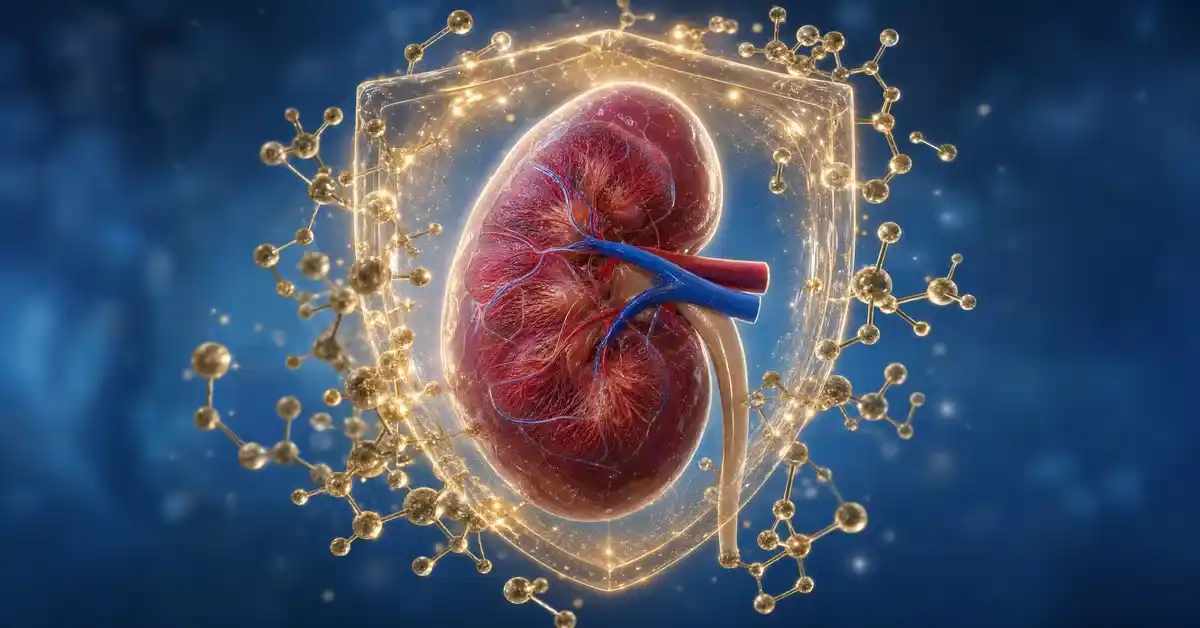
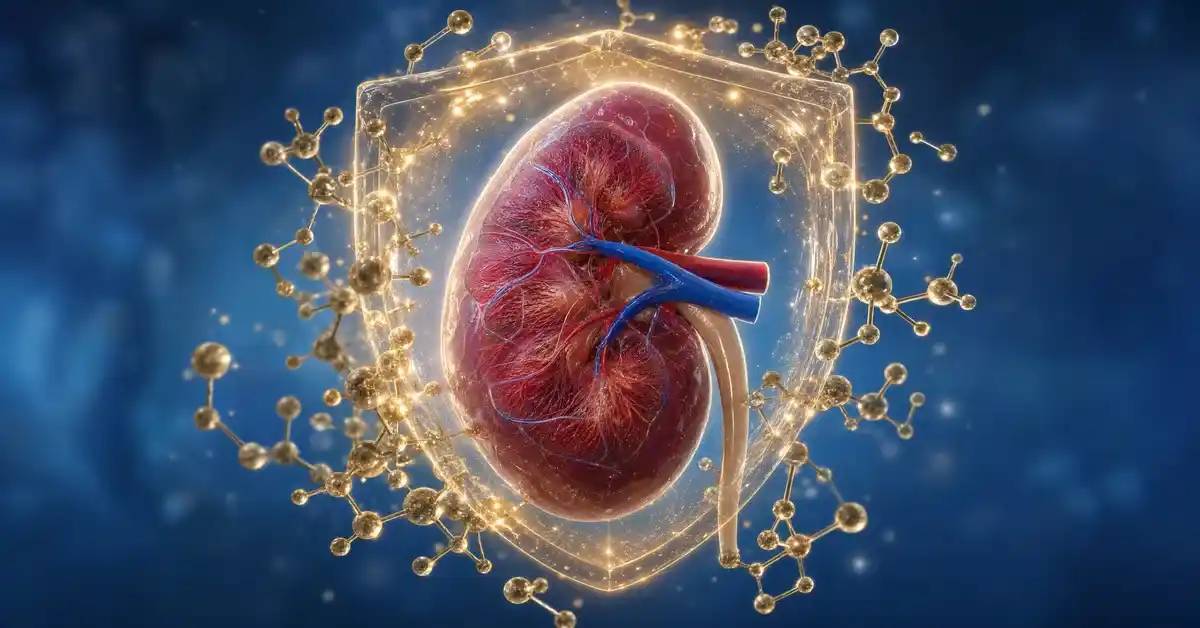
Experiencing organ rejection is one of the most significant challenges patients face following a life-saving transplant surgery. Despite remarkable medical advancements, the human immune system is naturally programmed to attack any foreign object that enters the body, including newly transplanted organs. Therefore, understanding transplant rejection treatment and identifying the causes of organ rejection are crucial steps to ensure the success of the procedure and the long-term functionality of the new organ. In this comprehensive guide, we will explore everything related to this condition, from early symptoms to the latest treatment and prevention methods.
At Safemedigo, we fully understand the anxiety that patients and their families may experience after transplant surgeries. Thus, we are dedicated to providing accurate and reliable medical information to help you navigate your recovery journey. Whether you are looking for information about the symptoms of organ rejection or want to learn more about anti-rejection drugs, this comprehensive guide will provide you with the thorough answers you need for a safe and successful medical trip.
What Is Organ Rejection
Organ rejection definition
Organ rejection is defined as a natural immune response mounted by the recipient's body against the newly transplanted organ. The immune system recognizes the transplanted tissues as foreign bodies (antigens) and begins producing antibodies to attack and destroy them. If this process is not controlled, it can lead to organ damage and loss of function. Therefore, rapid medical intervention through effective transplant rejection treatment is vital to preserve the patient's life and the transplanted organ.
Types of transplant rejection
There are multiple types of transplant rejection based on the speed and mechanism of the immune response. Hyperacute rejection occurs within minutes or hours of the transplant, which is currently rare thanks to precise pre-operative screening. Acute rejection typically occurs during the first few months, while chronic rejection develops slowly over years. Understanding these types helps doctors determine the most accurate and effective approach for transplant rejection treatment.
Acute vs chronic rejection
Distinguishing between acute vs chronic rejection is essential in formulating a treatment plan. Acute rejection is the most common and occurs when T-cells attack the transplanted organ; it can be successfully treated in most cases if detected early. Conversely, chronic rejection is a gradual process that leads to fibrosis and scarring of the organ's tissues over time, such as long-term kidney transplant rejection or liver transplant rejection, requiring different therapeutic strategies and continuous monitoring.
Causes of Organ Rejection
Causes of organ rejection
There are various causes of organ rejection, but the root cause always lies in the incomplete genetic match between the donor and the recipient. The greater the difference in Human Leukocyte Antigens (HLA), the higher the likelihood of rejection. Additionally, failing to adhere to taking anti-rejection drugs at the prescribed doses and times is one of the primary reasons that trigger the immune system to attack the new organ.
Immune response to transplant
The immune system plays the primary role in organ rejection. Its fundamental function is to protect the body from infections and diseases by destroying foreign cells. When a new organ is transplanted, immune cells detect that this organ does not carry the same genetic markers as the body's original cells, prompting a strong immune response to transplant. Therefore, transplant rejection treatment relies heavily on suppressing this immune response without exposing the patient to severe infection risks.
Transplant failure causes
Besides immune rejection, there are other transplant failure causes that must be considered. These may include surgical complications, transmission of an infection from the donor, or the recurrence of the original disease that caused the organ failure in the first place. Furthermore, the side effects of some immunosuppressive therapy medications might negatively impact other organs in the body. Thus, comprehensive and continuous evaluation is key to avoiding these causes and increasing the organ transplant success rate.

Learn About the Symptoms of Organ Rejection
Symptoms of organ rejection
The symptoms of organ rejection vary depending on the transplanted organ, but there are general signs to watch for. These symptoms include fever, general fatigue, and pain or swelling in the transplant area. In the case of kidney transplant rejection, the patient might notice a decrease in urine output or swelling in the extremities. For liver transplant rejection, yellowing of the skin and eyes (jaundice) may appear. Early detection of these symptoms facilitates the process of transplant rejection treatment.
Early signs of rejection
It is crucial to distinguish between treatable rejection symptoms and the signs of complete transplant failure. The early signs of rejection might be subtle, but signs of failure could include a severe and continuous decline in organ function, such as significantly elevated creatinine levels in kidney cases, or dangerously high liver enzymes. The appearance of these signs requires emergency medical intervention and may sometimes necessitate evaluating the need for a new transplant if immunosuppressive therapy fails.
Rejection after transplant
Many wonder when rejection after transplant occurs. The answer is that it can happen at any time following the surgery. Acute rejection most often occurs during the first three to six months, a period when the immune system is on high alert. However, chronic rejection can occur years after the transplant. Therefore, committing to a lifelong transplant monitoring program is imperative to detect any early signs of rejection.
Diagnosis and Monitoring
Transplant monitoring
Transplant monitoring is the cornerstone of early rejection diagnosis. This monitoring involves regular visits to the attending physician, where the patient's overall health is evaluated, and test results are reviewed. Through these visits, doctors can detect any minor changes in organ function before clinical symptoms of organ rejection appear, providing a greater chance for successful transplant rejection treatment.
Medical testing
Diagnosing organ rejection relies on a series of precise medical tests. These include routine blood tests to measure organ function (such as kidney or liver function panels), as well as imaging tests like ultrasounds to evaluate blood flow to the organ. These tests help doctors identify potential causes of organ rejection and correctly guide the transplant rejection treatment plan.
Post-transplant care
In some cases, an accurate diagnosis may require a biopsy (taking a tissue sample from the transplanted organ) to be examined under a microscope. This procedure helps confirm the presence of immune rejection and determine its type (acute vs chronic rejection). Based on the biopsy results and a comprehensive immune evaluation, the medical team can adjust the doses of anti-rejection drugs or add new medications to control the immune response as part of essential post-transplant care.
Treatment of Transplant Rejection
Transplant rejection treatment
The primary goal of transplant rejection treatment is to stop the immune system's attack on the new organ without putting the patient at risk of serious infections. The treatment heavily relies on using immunosuppressive medications at high doses temporarily to control the rejection episode. The treatment plan varies based on the severity of the rejection and the type of organ, whether dealing with kidney transplant rejection or liver transplant rejection.
Immunosuppressive therapy
To understand how rejection is treated, one must know that the process usually involves increasing the doses of current medications or administering potent intravenous drugs in the hospital. In cases of acute rejection, high doses of corticosteroids may be used for several days. If the patient does not respond, other medications targeting specific immune cells might be utilized. Close monitoring during this period is essential to evaluate the effectiveness of the immunosuppressive therapy and avoid transplant failure causes.
Managing rejection cases
Managing rejection cases is an ongoing, lifelong process. Even after controlling a rejection episode, the patient must continue taking anti-rejection drugs at maintenance doses to prevent recurrence. These doses are adjusted over time based on the stability of the organ's function and the patient's overall health. The delicate balance in this treatment is the key to preserving the transplanted organ and achieving the highest possible organ transplant success rate.
Anti-Rejection Medications
Anti-rejection drugs
Anti-rejection drugs form the foundation of preserving the transplanted organ. These medications work by reducing the activity of the immune system to prevent it from attacking the new organ. There are different classes of these drugs, and usually, a combination (cocktail) is prescribed to increase efficacy and minimize side effects. Strict adherence to taking these medications is the most critical step in learning how to prevent organ rejection.
Dosage and management
Common immunosuppressive therapy includes medications such as Tacrolimus, Cyclosporine, and Mycophenolate, in addition to corticosteroids. Each drug works through a different mechanism to suppress the immune cell response. Patients may experience some side effects like an increased risk of infection, high blood pressure, or kidney problems. Therefore, continuous medical monitoring is necessary to manage these effects and ensure the ongoing effectiveness of the transplant rejection treatment.
Long-term medication use
Managing the dosage of anti-rejection drugs is a precise and complex process. The dose must be sufficient to prevent organ rejection, but not so high that it causes toxicity or dangerously increases the risk of infection. Regular blood tests are conducted to measure the level of medications in the blood, and doses are adjusted accordingly. This continuous adjustment is a fundamental part of transplant monitoring to ensure patient safety during long-term medication use.
Prevention and Success Rates
How to prevent organ rejection
Learning how to prevent organ rejection begins before the surgery through precise tissue matching tests to select the most suitable donor. After the surgery, strict adherence to the doctor's instructions and taking anti-rejection drugs on schedule is the most important preventive step. The patient must also avoid exposure to individuals with infectious diseases and maintain personal hygiene to reduce the risk of infection that could stimulate the immune system.
Organ transplant success rate
Thanks to continuous advancements in immunosuppressive therapy and surgical techniques, the organ transplant success rate has become very high. This rate depends on several factors, including the type of transplanted organ, the patient's overall health, and the degree of genetic matching. Regular follow-ups and early intervention upon the appearance of any early signs of rejection significantly contribute to improving long-term outcomes and the continued efficient function of the organ.
Lifestyle after transplant
Lifestyle plays a vital role in maintaining the health of the transplanted organ. Patients must follow a healthy and balanced diet, exercise regularly after consulting their doctor, and completely abstain from smoking and alcohol consumption. These positive changes not only help in preventing rejection after transplant but also enhance overall health and reduce the risk of other diseases that could affect the new organ.
Long-Term Care and Rehabilitation
Long-term care requires a continuous commitment to regular medical follow-ups to ensure the stability of the transplanted organ's functions.
Physical rehabilitation programs help patients gradually regain their strength and normal activity levels after surgery.
Psychological and social support is an integral part of the rehabilitation plan to help patients adapt to their new lifestyle.
Patients must maintain continuous communication with their healthcare team to report any unusual health changes.
Conclusion
Understanding how to manage organ rejection is an essential step to ensure the success of the treatment journey. By strictly adhering to immunosuppressive medications and continuous medical monitoring, patients can overcome immune challenges and maintain the health of the new organ. Early detection of any abnormal symptoms and rapid medical intervention are key to avoiding serious complications. Always remember that self-care and following a healthy lifestyle contribute significantly to the sustained success of the transplant surgery.
At Safemedigo, we are committed to providing the highest levels of care and support for organ transplant patients at every step of their journey. We offer you access to top experts and specialists to ensure you receive the best treatment plans and precise follow-up. Discover how our integrated services can help you maintain your health and achieve the best possible outcomes after your transplant surgery.
FAQ: Organ Rejection After Transplant
What are the first signs of organ rejection?
Early signs of rejection include general fatigue, fever, and pain or swelling in the area of the transplanted organ. In kidney cases, urine output may decrease, and in liver cases, jaundice may appear. You should consult a doctor immediately if you notice any of these symptoms.
Can organ rejection be completely cured?
Yes, in most cases of acute rejection, the condition can be controlled and successfully treated by adjusting the doses of immunosuppressive medications or administering additional drugs, allowing the transplanted organ to return to normal function.
Why are anti-rejection medications so important?
Anti-rejection drugs (immunosuppressants) are crucial because they reduce the activity of the immune system, preventing it from attacking the new organ. These medications must be taken for life at prescribed doses to ensure the transplanted organ remains healthy.
Does chronic rejection affect the organ transplant success rate?
Chronic rejection occurs slowly over years and can gradually lead to a decline in organ function. However, with continuous medical monitoring and adjustments to treatment plans, its progression can be slowed, preserving organ function for as long as possible.
How can I prevent organ rejection after a transplant?
The most important step for prevention is strict adherence to taking prescribed medications on time. Additionally, you must maintain a healthy lifestyle, avoid infections, and ensure you attend all regular medical follow-up appointments for necessary testing.