






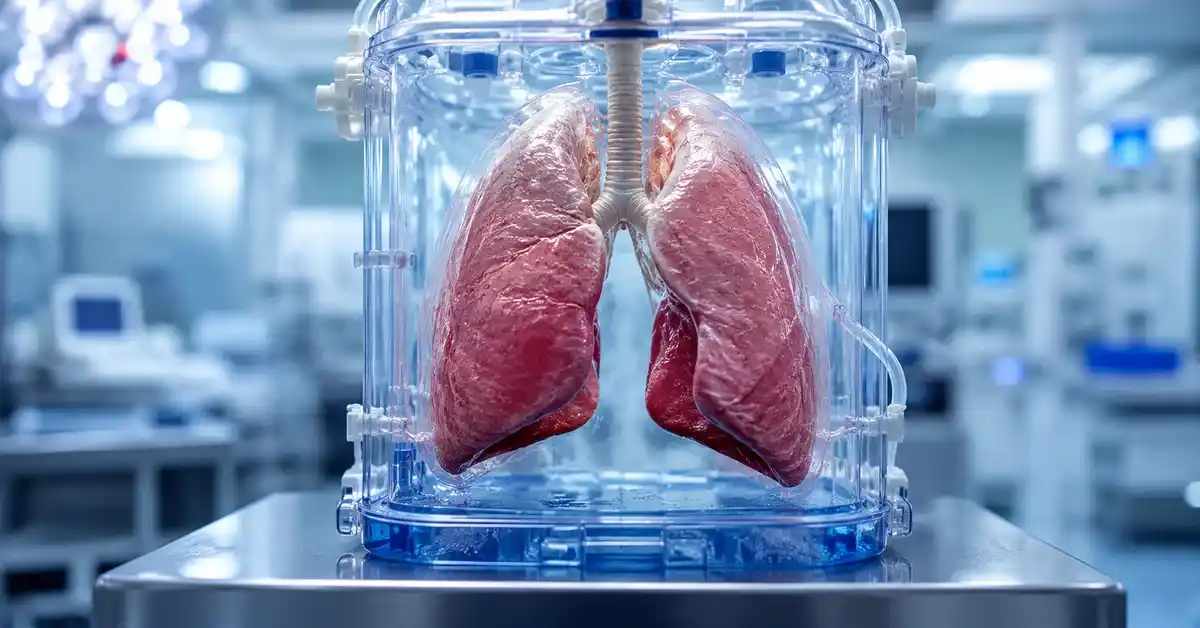
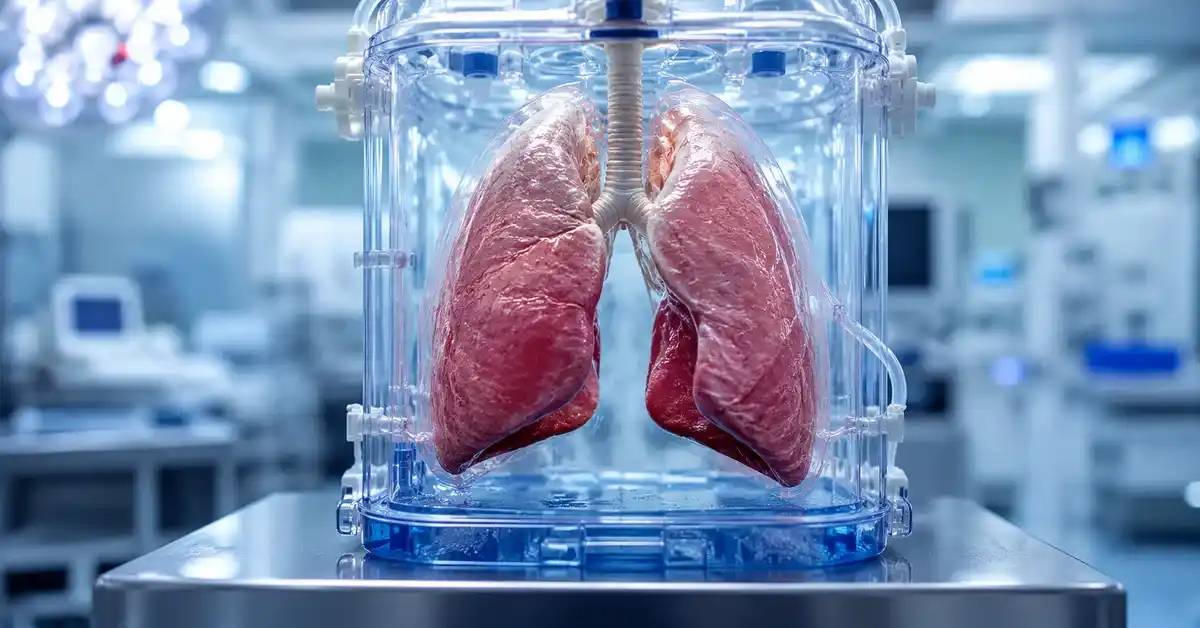
A lung transplant is an advanced treatment option for selected patients with end-stage lung disease when the lungs can no longer provide enough oxygen or remove carbon dioxide effectively despite optimal medical care. It is not usually an early treatment choice. Instead, it is considered when chronic lung disease has reached a severe stage, daily life is significantly limited, and other treatments such as medication, oxygen therapy, pulmonary rehabilitation, or breathing support are no longer enough.
At Safemedigo, lung transplant cases are approached with careful medical coordination because eligibility depends on much more than the diagnosis alone. The medical team must consider disease severity, lung function, heart health, kidney and liver function, infection risk, nutrition, psychological readiness, social support, and the patient’s ability to follow lifelong treatment after surgery.
This article explains lung transplant eligibility, who qualifies for a lung transplant, lung transplant criteria, chronic lung disease, lung failure symptoms, pulmonary fibrosis transplant, COPD lung transplant, lung donor transplant, living donor lung transplant, lung transplant waiting list, lung transplant cost, lung transplant success rate, lung transplant recovery, and life after lung transplant.
Lung Transplant Overview and Eligibility
A lung transplant is a major surgical procedure in which one diseased lung or both diseased lungs are replaced with healthy donor lungs. It is used for carefully selected patients with advanced lung failure when the expected benefit of transplant is greater than the risk of surgery, immune-suppressing medications, rejection, infection, and long-term follow-up.
The 2021 ISHLT consensus document explains that lung transplant candidate selection aims to identify potential candidates, optimize the timing of referral, and provide transplant centers with a framework for evaluating and selecting candidates. This means eligibility is not a single checklist; it is a detailed medical decision based on timing, risk, and expected benefit.
People who qualify are usually those with severe, progressive lung disease, worsening oxygen needs, major activity limitation, poor quality of life, and limited expected survival without transplant. However, a severe lung disease diagnosis alone does not automatically make someone eligible. The patient must also be able to tolerate surgery, take lifelong medications, attend follow-up visits, and avoid factors that can harm the transplanted lung.
lung transplant
A lung transplant replaces a severely damaged lung or both lungs with healthy donor lungs. The purpose is to improve breathing, reduce dependence on oxygen, improve daily function, and extend survival in properly selected patients. It may be performed as a single lung transplant or double lung transplant, depending on the disease, patient condition, and transplant center recommendation.
Common conditions that may lead to lung transplant evaluation include COPD and emphysema, interstitial lung disease, pulmonary fibrosis, cystic fibrosis, pulmonary hypertension, severe bronchiectasis, sarcoidosis, lymphangioleiomyomatosis, and alpha-1 antitrypsin deficiency. Mayo Clinic lists several of these conditions as common indications for lung transplant referral.
The decision is never based on symptoms alone. Doctors usually review lung function tests, oxygen levels, CT scans, walking capacity, heart function, infection history, nutrition, kidney and liver function, and the patient’s overall ability to recover from a complex surgery.
Who qualifies for a lung transplant
Who qualifies for a lung transplant? In general, patients may qualify when they have end-stage lung disease that continues to progress despite maximum appropriate treatment and when transplant is expected to improve survival or quality of life. The patient must also have acceptable surgical risk and a strong ability to follow long-term medical instructions.
Possible eligibility features include:
- Severe shortness of breath with minimal activity or at rest.
- Increasing need for oxygen.
- Progressive decline in lung function.
- Repeated hospital admissions for respiratory failure.
- Advanced pulmonary fibrosis, COPD, pulmonary hypertension, or another severe lung disease.
- Failure of available medical or supportive therapies.
- Acceptable heart, kidney, and liver function.
- No uncontrolled active infection.
- No active untreated cancer.
- Complete smoking cessation.
- Good treatment adherence.
- Reliable family or social support.
Patients may not qualify, or may need delay and optimization, if they have uncontrolled infection, recent active cancer, severe disease in other organs, active smoking, substance misuse, severe frailty, or inability to follow the post-transplant plan.
Conditions Requiring Lung Transplant
Conditions requiring lung transplant are usually progressive, advanced lung diseases that severely reduce breathing function and quality of life. A transplant is considered only when the disease has reached a stage where standard treatments are no longer enough and the patient’s risk without transplant is high.
Common indications include chronic obstructive pulmonary disease, pulmonary fibrosis and other interstitial lung diseases, cystic fibrosis, pulmonary hypertension, severe bronchiectasis, sarcoidosis, lymphangioleiomyomatosis, and alpha-1 antitrypsin deficiency. Mayo Clinic’s transplant referral guidance lists COPD and emphysema, pulmonary fibrosis, pulmonary hypertension, cystic fibrosis, severe bronchiectasis, sarcoidosis, and refractory or progressive lung disease among indications.
The timing of referral differs by condition. Some diseases, such as pulmonary fibrosis, may worsen quickly, so early referral is important. Other diseases, such as COPD, may progress more slowly but can still become disabling and life-threatening.
chronic lung disease
Chronic lung disease refers to long-term conditions that damage the lungs or airways and reduce breathing capacity. Many patients live for years with chronic lung disease using medication, oxygen, pulmonary rehabilitation, and lifestyle changes. However, when the disease becomes advanced, lung failure may develop.
Chronic lung diseases that may lead to transplant evaluation include:
- COPD and emphysema.
- Pulmonary fibrosis.
- Interstitial lung disease.
- Cystic fibrosis.
- Pulmonary hypertension.
- Severe bronchiectasis.
- Sarcoidosis.
- Lymphangioleiomyomatosis.
- Alpha-1 antitrypsin deficiency.
- Selected connective tissue disease-related lung disease.
Not every patient with chronic lung disease needs a transplant. Eligibility depends on severity, progression, oxygen needs, hospitalization history, exercise capacity, response to treatment, and overall medical fitness.
pulmonary fibrosis transplant
A pulmonary fibrosis transplant may be considered when scarring in the lungs becomes severe and continues to progress despite treatment. Pulmonary fibrosis makes lung tissue stiff, reducing oxygen transfer and causing worsening shortness of breath, cough, fatigue, and exercise limitation.
Patients with pulmonary fibrosis may need earlier transplant referral because the disease can progress unpredictably. Evaluation may be considered when lung function declines, oxygen needs increase, walking capacity worsens, or imaging shows advanced scarring.
Pre-transplant evaluation for pulmonary fibrosis may include:
- Pulmonary function tests.
- High-resolution CT scan.
- Six-minute walk test.
- Oxygen assessment.
- Heart evaluation.
- Pulmonary hypertension screening.
- Blood tests.
- Infection screening.
- Nutritional and functional assessment.
A pulmonary fibrosis transplant does not cure the original tendency toward lung scarring in the body, but replacing the damaged lungs may improve breathing and quality of life in suitable patients.
COPD lung transplant
A COPD lung transplant may be considered for patients with very advanced COPD or emphysema when symptoms remain severe despite optimal medical therapy. These patients may have disabling shortness of breath, frequent exacerbations, low oxygen levels, high carbon dioxide levels, repeated hospitalizations, or very poor quality of life.
Before transplant, the medical team confirms that the patient has received appropriate standard care. This may include inhalers, smoking cessation, pulmonary rehabilitation, oxygen therapy, treatment of exacerbations, vaccination, and evaluation for other procedures such as lung volume reduction in selected cases.
Important factors in COPD lung transplant evaluation include:
- Severity of breathlessness.
- Lung function test results.
- Exacerbation frequency.
- Oxygen requirement.
- Carbon dioxide levels.
- Walking capacity.
- Pulmonary hypertension.
- Nutritional and muscle status.
- Complete smoking cessation.
- Surgical risk.
Smoking cessation is essential. Active smoking is usually a major barrier to transplant eligibility because it increases complications and can damage the transplanted lung.
Symptoms of Lung Failure
Lung failure symptoms occur when the lungs can no longer exchange oxygen and carbon dioxide adequately. In chronic lung disease, lung failure often develops gradually. Patients may first notice shortness of breath with activity, then difficulty with simple tasks, and later symptoms even at rest.
Symptoms can include worsening shortness of breath, low oxygen levels, increasing oxygen needs, fatigue, bluish lips or fingers, swelling in the legs, repeated chest infections, frequent hospital admissions, poor exercise tolerance, and difficulty sleeping due to breathing problems.
These symptoms do not automatically mean that a patient needs a transplant, but they do signal the need for specialist evaluation. Some patients may improve with medication adjustment, oxygen therapy, rehabilitation, or treatment of complications, while others may need transplant assessment.
lung failure symptoms
Lung failure symptoms may include:
- Shortness of breath during mild activity.
- Breathlessness at rest.
- Increasing need for oxygen.
- Low oxygen saturation.
- Persistent cough.
- Severe fatigue.
- Reduced ability to walk.
- Frequent respiratory infections.
- Repeated hospital admissions.
- Bluish lips or fingertips.
- Chest tightness.
- Swelling in the feet or legs.
- Dizziness or fainting.
- Poor sleep due to breathing difficulty.
- Weight loss or muscle weakness.
When these symptoms worsen despite treatment, the patient may need a more advanced evaluation. A transplant team can assess whether the condition is reversible, manageable with other therapies, or advanced enough for lung transplant consideration.
End-stage lung disease
End-stage lung disease means that lung damage has reached a point where standard therapies are no longer able to provide adequate control. The patient may require continuous oxygen, may be unable to perform normal activities, and may experience frequent flare-ups or respiratory failure.
End-stage lung disease can result from pulmonary fibrosis, COPD, cystic fibrosis, pulmonary hypertension, severe bronchiectasis, or other advanced lung conditions. The disease process differs, but the final effect is similar: the lungs cannot support the body’s needs properly.
At this stage, doctors assess whether the patient is suitable for transplant or whether other supportive measures are more appropriate. The decision includes disease severity, expected survival, transplant risks, age, frailty, other organ function, and patient preferences.

Criteria and Evaluation
Lung transplant criteria are designed to identify patients who are sick enough to benefit from transplant but strong enough to survive surgery and manage long-term care. This balance is important because lung transplant is high-risk and requires lifelong immune suppression.
The evaluation is detailed and may take time. It includes lung testing, heart testing, blood work, infection screening, cancer screening, nutrition review, psychological assessment, social support assessment, and evaluation of treatment adherence. Mayo Clinic states that people with serious lung diseases who meet certain lung-function criteria may be appropriately treated with lung transplant and that older patients may be evaluated if they do not have significant disease processes beyond their lung disease.
The evaluation process may feel long, but it protects the patient. It helps identify risks that can be improved before listing and prevents transplant in situations where the risks may outweigh the benefits.
lung transplant criteria
Lung transplant criteria may vary between centers, but common requirements include advanced lung disease, failure of standard treatment, expected benefit from transplant, and absence of major contraindications. The patient must also be willing and able to follow a strict medical plan after surgery.
Common criteria include:
- End-stage or advanced lung disease.
- Progressive decline despite optimal treatment.
- Severe activity limitation or oxygen need.
- Acceptable surgical risk.
- Adequate heart, kidney, and liver function.
- No uncontrolled active infection.
- No active untreated cancer.
- Complete smoking cessation.
- No active substance misuse.
- Good medication adherence.
- Ability to attend frequent follow-up.
- Adequate social support.
- Psychological readiness.
- Nutritional and physical optimization when possible.
Some factors may delay listing rather than permanently prevent transplant. Examples include poor nutrition, obesity, deconditioning, dental infection, uncontrolled diabetes, or incomplete vaccination status. These can sometimes be improved before final listing.
Pre-transplant evaluation of the lung
Pre-transplant evaluation of the lung and overall body aims to determine whether transplant is appropriate and safe. The process is comprehensive because surgery affects the entire body, not only the lungs.
Tests may include:
- Pulmonary function tests.
- Chest CT scan.
- Six-minute walk test.
- Oxygen testing.
- Arterial blood gases when needed.
- Echocardiogram.
- Electrocardiogram.
- Cardiac catheterization in selected patients.
- Kidney and liver function tests.
- Complete blood count.
- Infection and viral screening.
- Cancer screening based on age and risk.
- Dental evaluation.
- Nutrition assessment.
- Bone health assessment.
- Psychological and social evaluation.
- Blood type and immune matching tests.
The goal is to understand disease severity, identify hidden risks, optimize the patient before surgery, and determine whether the patient should be listed for transplant.
Donor Types and Waiting List
Donor types and the waiting list are central to lung transplantation. Most lung transplants use lungs from deceased donors who meet strict medical criteria. Living donor lung transplant is possible only in rare and highly specialized circumstances and is much less common.
A donor lung must be suitable in size, blood type compatibility, lung quality, infection status, and overall condition. Once a patient is listed, waiting time depends on donor availability, matching factors, urgency, local allocation rules, and transplant center policies.
The lung transplant waiting list can be emotionally difficult. Patients must remain medically ready, attend follow-ups, continue rehabilitation if possible, avoid infections, and be prepared to come to the hospital quickly when a suitable organ becomes available.
lung donor transplant
A lung donor transplant usually involves lungs from a deceased donor. The donor lung is carefully evaluated to make sure it is suitable for transplantation. Not every donor lung can be used because lungs are sensitive to infection, injury, and intensive care-related changes.
Matching may consider:
- Blood type.
- Lung size.
- Recipient urgency.
- Waiting time.
- Geographic and allocation rules.
- Donor lung quality.
- Infection screening.
- Immune compatibility factors.
When a donor lung becomes available, the transplant team must act quickly because organs can only remain outside the body for a limited time. The recipient must be medically stable enough for surgery at that moment.
living donor lung transplant
A living donor lung transplant is rare and complex. In selected situations, a lobe from a living donor may be used, and the recipient may need lobes from two donors. This approach is performed only in specialized centers and under strict ethical and medical standards.
Living donor lung transplant is challenging because healthy donors undergo major surgery and face real risks. For this reason, potential donors must undergo extensive physical, psychological, and ethical evaluation to ensure that donation is voluntary and that the risk is acceptable.
Most patients are managed through the deceased donor lung transplant waiting list. Whether living donation is available depends on the country, transplant program, regulations, medical suitability, and donor evaluation.
Cost and Success Rate
Lung transplant cost and lung transplant success rate are important concerns, but both vary widely. Cost depends on the country, hospital, type of transplant, ICU stay, complications, medications, rehabilitation, and follow-up care. Success rate depends on the diagnosis, age, surgical risk, donor lung quality, complications, and long-term adherence.
A lung transplant is expensive because it includes a multidisciplinary transplant team, major surgery, intensive care, immune-suppressing medications, infection monitoring, diagnostic testing, rehabilitation, and lifelong follow-up. Patients should ask what is included in any package and what may be billed separately.
Success should not be measured only by surviving surgery. A meaningful outcome includes better breathing, functional recovery, reduced oxygen dependence, stable lung function, and ability to maintain long-term follow-up.
lung transplant cost
Lung transplant cost includes much more than the operation itself. The total cost may include evaluation, laboratory testing, imaging, donor-related processes, surgery, anesthesia, ICU stay, hospital admission, medications, rehabilitation, follow-up visits, and treatment of complications.
Cost factors include:
- Country and hospital.
- Single or double lung transplant.
- Pre-transplant tests.
- Duration of ICU stay.
- Total hospital stay.
- Complications.
- Immune-suppressing medications.
- Infection treatment if needed.
- Pulmonary rehabilitation.
- Follow-up tests and visits.
- Accommodation near the transplant center.
- Need for caregiver support.
At Safemedigo, patients can receive help organizing reports and asking the right cost-related questions before making treatment decisions. Clear financial planning is important because transplant care continues after discharge.
lung transplant success rate
Lung transplant success rate varies from patient to patient. Many suitable patients experience improved breathing, better activity tolerance, and improved quality of life after transplant. However, lung transplant also carries risks such as rejection, infection, medication side effects, airway complications, kidney problems, and chronic lung allograft dysfunction.
Factors affecting success include:
- Patient age.
- Original lung disease.
- Severity before transplant.
- Physical condition and nutrition.
- Heart, kidney, and liver health.
- Donor lung quality.
- Acute rejection.
- Chronic rejection.
- Infection after transplant.
- Medication adherence.
- Follow-up attendance.
- Psychological and family support.
Patients should ask their transplant team for expected outcomes based on their personal case, not only general statistics. The most realistic success estimate comes from individualized evaluation.
Recovery and Life After
Lung transplant recovery is a gradual process. After surgery, the patient usually stays in intensive care first, then moves to a hospital ward once stable. Recovery includes breathing support, infection monitoring, pain management, physical therapy, medication adjustment, and education about lifelong care.
The first weeks and months after surgery are intensive. Patients need frequent blood tests, lung function checks, medication level monitoring, imaging, and clinic visits. They must learn how to recognize signs of infection or rejection and when to contact the transplant team.
Life after lung transplant can bring major improvement in breathing and daily activity for suitable patients. However, it requires discipline, lifelong medications, infection prevention, rehabilitation, and regular medical follow-up.
lung transplant recovery
Lung transplant recovery includes several stages. The first stage is ICU monitoring, where breathing, heart function, fluids, infection risk, and early rejection concerns are watched closely. After stabilization, the patient begins gradual movement and breathing exercises.
Recovery may involve:
- ICU stay.
- Hospital ward recovery.
- Pain management.
- Breathing exercises.
- Physical therapy.
- Immune-suppressing medications.
- Infection prevention.
- Nutrition support.
- Blood tests.
- Lung function testing.
- Follow-up imaging.
- Education before discharge.
Some patients recover faster than others. Recovery may take longer if the patient was very weak before surgery, had complications, or needed prolonged ventilation. Patience and consistent follow-up are essential.
life after lung transplant
Life after lung transplant may involve better breathing, improved mobility, and greater independence, but it also requires lifelong responsibility. Patients must take immune-suppressing medications every day to prevent rejection. These medications increase infection risk and require regular monitoring.
Important habits after lung transplant include:
- Taking medications exactly as prescribed.
- Never stopping immune suppression without medical advice.
- Avoiding smoking completely.
- Preventing infections.
- Washing hands regularly.
- Avoiding high-risk crowded places when advised.
- Attending all follow-up visits.
- Completing blood tests and lung function checks.
- Following rehabilitation guidance.
- Eating safely and healthily.
- Reporting fever, cough, or new shortness of breath early.
- Seeking emotional support when needed.
Life after transplant is a new phase, not the end of care. With strong adherence and medical follow-up, many patients can experience meaningful improvement in quality of life.
Conclusion
A lung transplant is an advanced treatment option for selected patients with end-stage lung disease, severe chronic lung disease, pulmonary fibrosis, advanced COPD, pulmonary hypertension, cystic fibrosis, or other progressive lung conditions when standard treatments are no longer enough. However, not everyone with lung disease qualifies. Eligibility depends on disease severity, expected benefit, surgical risk, other organ function, infection status, smoking history, treatment adherence, and support after surgery.
Lung transplant criteria and pre-transplant evaluation of the lung include detailed testing of lung function, heart health, oxygen levels, walking capacity, blood work, infection risk, nutrition, psychological readiness, and social support. After surgery, recovery requires ICU care, rehabilitation, lifelong immune-suppressing medications, infection prevention, and regular follow-up.
Frequently Asked Questions: Lung Transplant: Who Qualifies
Who qualifies for a lung transplant?
Patients may qualify for a lung transplant if they have end-stage lung disease that continues to worsen despite optimal treatment and if they are healthy enough to tolerate surgery and lifelong follow-up. Eligibility is decided after detailed evaluation by a transplant center.
What are the main lung transplant criteria?
Main lung transplant criteria include advanced lung disease, failure of standard treatments, acceptable surgical risk, no uncontrolled infection, no active untreated cancer, complete smoking cessation, good treatment adherence, and adequate family or social support.
Which diseases may require a lung transplant?
Diseases that may require lung transplant include pulmonary fibrosis, advanced COPD, cystic fibrosis, pulmonary hypertension, severe bronchiectasis, sarcoidosis, interstitial lung disease, alpha-1 antitrypsin deficiency, and other progressive end-stage lung diseases.
What tests are needed before a lung transplant?
Pre-transplant evaluation may include lung function tests, chest CT, six-minute walk test, oxygen testing, blood tests, heart evaluation, infection screening, cancer screening, kidney and liver assessment, nutrition evaluation, and psychological and social support assessment.
What is life like after a lung transplant?
Life after lung transplant may improve breathing and activity, but it requires lifelong immune-suppressing medication, regular follow-up, infection prevention, rehabilitation, and strict adherence to medical instructions. Patients must report fever, cough, or new shortness of breath promptly.