





In the world of cosmetic dentistry, achieving a perfect, white "Hollywood smile" has become a dream for many. With the advancement of technologies and materials, several options have emerged to achieve this goal, most notably dental shells. When discussing these shells, two main names stand out: dental veneers and Lumineers. Although both aim to improve the appearance of a smile, there are fundamental differences between them that make each option suitable for specific cases.
Choosing between them can seem confusing. On one hand, veneers are known for their durability and ability to hide severe imperfections. On the other hand, Lumineers are famous for being a less invasive procedure that, in most cases, requires no tooth preparation. This contrast presents patients with an important question: which is better, Lumineers or veneers? Should I sacrifice part of my tooth structure for higher durability, or choose the solution that preserves my natural teeth as much as possible?
In this detailed guide, we will break down the differences between Lumineers and veneers, comparing the pros and cons, cost, and lifespan of each. At Safemedigo, we aim to provide you with complete and transparent information that enables you to deeply understand both options and discuss them confidently with your dentist to make the decision that gives you the smile you've always dreamed of while maintaining your dental health.
What Are Lumineers?
Lumineers represent the newer generation of cosmetic dental shells, characterized by their ultra-thinness, similar to contact lenses, which gives them a unique advantage in their application and use.
Definition of Lumineers
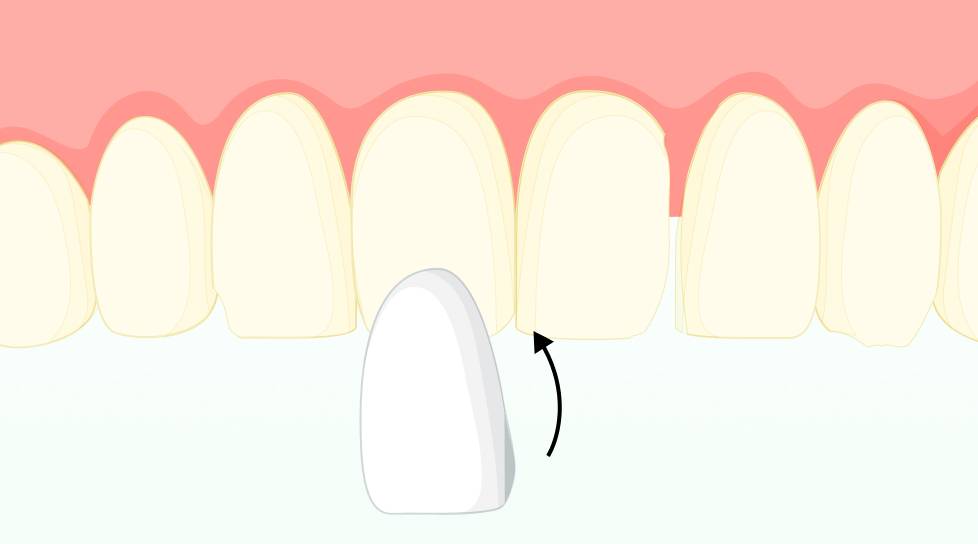
Lumineers are ultra-thin porcelain shells, no thicker than 0.2 mm. They are made from a special type of porcelain called "Cerinate," which combines thinness with durability. These shells are designed to adhere directly to the front surface of the teeth to improve their color, shape, and size without requiring significant removal of the tooth's enamel.
The procedure for Lumineers
The procedure for Lumineers is simple and fast compared to traditional veneers. It is usually completed in just two sessions. In the first session, the dentist takes a precise impression of your teeth and sends it to the lab to create your custom Lumineers. In the second session, the thin shells are bonded to your teeth using a strong adhesive, painlessly and without the need for anesthesia in most cases, as it is a no-prep Lumineers procedure.
Suitable cases for Lumineers
Lumineers are an ideal choice for cases with minor to moderate cosmetic issues. These include tooth discoloration or yellowing, small gaps between teeth, minor chips or cracks, and slightly misshapen or unevenly sized teeth. They are best for those who want to improve their smile while fully preserving their natural tooth structure.
Read about: Veneers vs Lumineers: Comprehensive Comparison and Differences
What Are Veneers?
Veneers are the classic and most common cosmetic solution for covering tooth imperfections, known for their ability to create a dramatic smile transformation thanks to their durability and high coverage.
Definition of Veneers
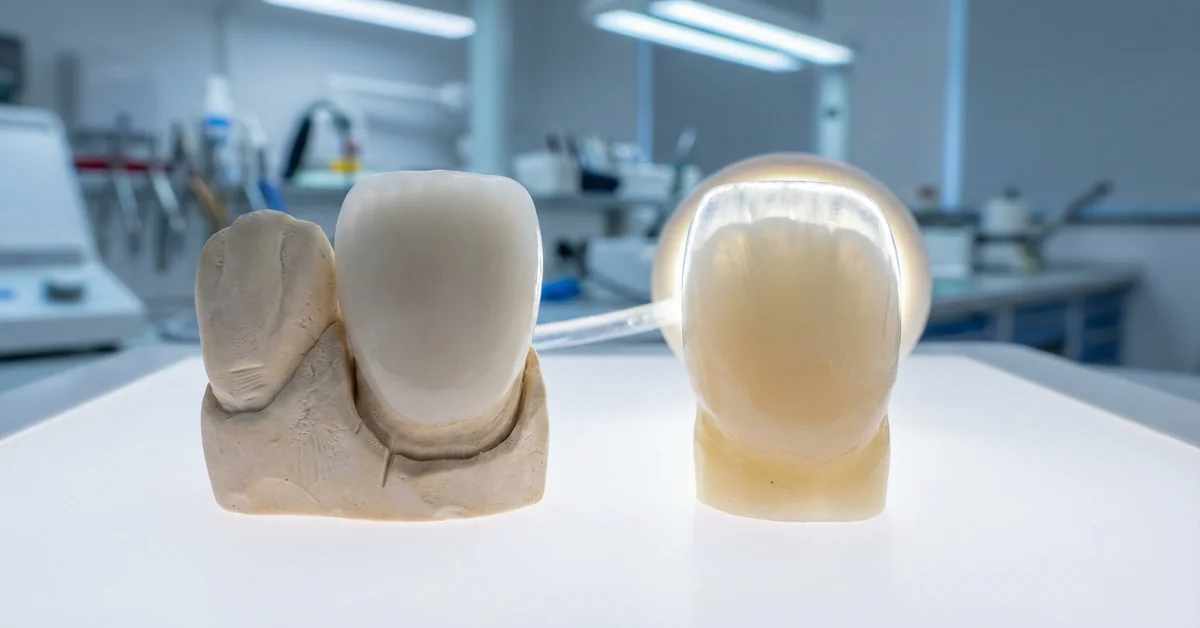
A veneer is a thin shell made of porcelain or composite materials, bonded to the front surface of the teeth. The thickness of a veneer is typically about 0.5 mm or more, which means it requires the removal of a thin layer of tooth enamel to make space for it and ensure the tooth does not look bulky after placement.
Types of Veneers in Cosmetic Dentistry
There are two main types of veneers: porcelain veneers, which are more durable, stain-resistant, and provide a very natural look, and composite veneers, which are less expensive and can often be placed in a single session but are less durable and prone to staining over time. Porcelain veneers are the preferred choice for a long-lasting Hollywood smile.
Read about: Step-by-Step Guide to Achieving a Natural Hollywood Smile
When to recommend Veneers?
Veneers are recommended when tooth imperfections are more severe. They are the optimal solution for deep stains that do not respond to whitening, large fractures, significantly worn or uneven teeth, and moderate crookedness that the patient does not want to treat with orthodontics. Since enamel removal veneers are required, they can hide major flaws and provide a new, perfect surface for the tooth.

Key Differences Between Lumineers and Veneers
To understand which is more suitable for you, it is essential to highlight the fundamental differences in the Lumineers vs Veneers comparison.
Difference in thickness and tooth preparation (enamel removal)
This is the most important difference. Lumineers are extremely thin (about 0.2 mm) and often require no tooth preparation. Veneers, however, are thicker (0.5 mm or more), which necessitates the removal of a layer of tooth enamel for placement. This means the veneer procedure is irreversible, whereas Lumineers can theoretically be removed to return the teeth to their original shape.
Read about: Is No-Prep Hollywood Smile Effective? Pros and Cons Explained
Difference in cost and lifespan (longevity)
Generally, the Lumineers cost is slightly higher than the veneers cost for porcelain, due to the patented material and technology used. In terms of lifespan, the longevity of veneers ranges from 10 to 15 years or more with good care, while the longevity of Lumineers may be slightly shorter due to their thinness, ranging from 8 to 12 years.
Difference in appearance and stain resistance
Both options provide a natural and attractive appearance. However, due to the extreme thinness of Lumineers, they may not be able to completely hide very dark stains, whereas veneers provide excellent coverage. On the other hand, both porcelain veneers and Lumineers have very high resistance to staining from coffee, tea, and other colored beverages.
Read about: Painless Hollywood Smile: New Solutions and Potential Risks
Benefits of Lumineers
Lumineers offer a range of advantages that make them an attractive option for many, especially those who are hesitant to make permanent changes to their teeth.
Preserves natural tooth structure
The biggest of the benefits of Lumineers is that it is a conservative procedure. Since it does not require tooth preparation in most cases, the natural tooth structure remains completely intact under the shell. This makes it a healthier option in the long run and reduces tooth sensitivity after placement.
Less invasive procedure
The Lumineers placement process is quick and painless. No anesthesia is needed, and there is no discomfort associated with tooth preparation. The entire procedure can be completed in just two sessions, making it a quick solution for getting a new smile before an important event.
Natural aesthetic results
Thanks to their ultra-thinness, Lumineers allow light to pass through them in a way that resembles natural tooth enamel. This gives them a very vibrant and natural look, avoiding the artificial appearance that can sometimes result from thicker shells.
Read about: Removable Hollywood Smile: Temporary Perfect Solution
Benefits of Veneers
Traditional veneers remain the preferred choice in many cases thanks to their strength and ability to solve more complex cosmetic problems.
Greater durability and stronger material
One of the most prominent benefits of veneers is their durability. Because they are thicker, they are more resistant to chipping and cracking than Lumineers. They can be made from high-strength porcelain materials like E-max, ensuring a very long lifespan with proper care.
Better for severe cosmetic issues
When teeth are severely stained, worn, or have large fractures, veneers are the ideal solution. Their thickness allows them to completely hide these imperfections and create a brand-new facade for the tooth, providing a dramatic and comprehensive smile transformation that Lumineers cannot achieve in such cases.
Ideal for major smile makeovers
For those seeking a complete smile makeover, veneers offer more flexibility in changing the shape, size, and alignment of teeth. The preparation process allows the dentist to sculpt a more ideal foundation, making veneers for the smile makeover the go-to choice for achieving a flawless and harmonious look.
Read about: Permanent Hollywood Smile: Pre and Post Procedure Tips
Disadvantages and Risks of Both Lumineers and Veneers
Every cosmetic procedure has its potential downsides that should be considered before making a final decision.
Downsides of Lumineers — limited coverage, maybe less durability
The disadvantages of Lumineers include their inability to hide very dark stains or major imperfections due to their thinness. They might also make teeth look slightly bulkier in some cases since they are added on top of the unprepared tooth. Their resistance to fracture is lower than that of thicker veneers.
Downsides of Veneers — more invasive, irreversible enamel removal
The biggest of the disadvantages of veneers is the need for enamel removal, which is a permanent and irreversible procedure. This may cause temporary tooth sensitivity in some people. The procedure also requires high precision from the dentist to ensure that an excessive amount of the tooth is not removed.
Read about: How to Choose the Best Clinic for a Painless Hollywood Smile
Tips to avoid problems after installation
To avoid problems, it is essential to maintain excellent oral hygiene and visit the dentist regularly. You should avoid biting your nails or opening packages with your teeth. In the case of veneers, it is important to ensure that the dentist has sufficient experience to avoid excessive tooth preparation. For a reliable consultation, you can contact the Safemedigo team via WhatsApp.
Cost and Pre/Post Procedure Considerations
Cost is a crucial factor in the choice, in addition to understanding the commitment required for post-placement care.
Cost of Lumineers in different markets
The cost of dental lumineers is relatively high, as it varies depending on the country, the clinic, the dentist’s experience, and the quality of materials used. In some countries, such as Turkey, this service is offered at more competitive costs, making it a popular option for those seeking to combine treatment with a tourism experience.
Read about: Hollywood Smile Cost: Turkey vs USA Overview
Cost of Veneers in different markets
Similarly, the cost of dental veneers in the Arab and international markets varies depending on several factors, including the materials used, the dentist’s expertise, the standard of the clinic, and the overall quality of services provided. In some countries, such as Turkey, these procedures are available at competitive costs alongside a high level of quality, making them a leading destination for dental medical tourism.
Maintenance and care after installation
Caring for shells is similar to caring for natural teeth: brushing twice a day, flossing regularly, and visiting the dentist for check-ups and professional cleanings every six months. It is also important to avoid bad habits like biting hard objects to protect the shells from breaking.
Read about: Veneers Quality Comparison: Turkey vs Germany
How to Choose Between Lumineers and Veneers?
The right choice is a joint decision between you and your dentist, based on a careful assessment of your condition and goals.
Criteria your dentist should evaluate
The dentist will evaluate several factors: the extent of the imperfections you want to correct, the current condition of your teeth (are there wear or large fillings?), your bite, and your habits (do you grind your teeth?). Based on this assessment, they will recommend the option that achieves the best aesthetic and healthy result for you.
Questions you should ask before your decision
Do not hesitate to ask your dentist: What is the best option for my case and why? Can I see before and after photos of cases similar to mine that you have treated? What is the expected longevity of Lumineers or veneers in my case? What are the potential risks? How to choose between Lumineers and veneers based on my budget?
Real‑life case studies and before-and-after results
Ask your clinic to show you examples of their previous work. Seeing realistic results of similar cases can help you form a clear idea of the expected final look of your smile and help you make an informed decision. For an assessment of your case and to see reliable results, contact the experts at Safemedigo today.
Conclusion and Final Recommendations
After reviewing all aspects, the comparison can be summarized to help you take the final step towards your new smile.
Quick summary comparison
Lumineers: Very thin, no tooth preparation needed, quick and painless procedure, ideal for minor imperfections, but less durable and may not hide severe stains.
Veneers: Thicker, require tooth preparation, very durable, cover all imperfections, ideal for dramatic transformations, but an irreversible procedure.
Read about: Natural Ways to Strengthen Teeth Before Veneers or Lumineers
Recommendation based on your individual case
If your teeth are generally in good condition and you only suffer from minor stains or small gaps and want a conservative procedure, Lumineers are the most suitable for you. However, if you suffer from dark stains, wear, or significant irregularities in the shape of your teeth and need a radical and permanent solution, then veneers are the better choice.
Next steps: booking consultation and follow‑up
The next step is to book a consultation with a specialized and trusted cosmetic dentist. The dentist will examine your teeth, discuss your goals, and answer all your questions to help you make the final decision. The Safemedigo team is ready to help you arrange your consultation with the best experts. Contact us via WhatsApp today to start your journey towards your dream smile.
Frequently Asked Questions: Lumineers vs Veneers: Which One Suits You Best
Is the placement of veneers or Lumineers painful?
The placement of Lumineers is completely painless because it does not require tooth preparation. As for veneers, the procedure is done under local anesthesia for the area being prepared, so you will not feel any pain during the procedure. There may be some minor sensitivity after the anesthesia wears off, but it is temporary.
Can Lumineers be removed?
Theoretically, yes. Since the original tooth structure has not been altered, the dentist can remove the Lumineers and polish the tooth to return it to its natural state. This is one of the biggest differences between Lumineers and veneers.
Do veneers or Lumineers change color over time?
Porcelain shells (used in both veneers and Lumineers) are very resistant to staining. Their surface is non-porous, so it is very rare for their color to change due to food and drinks. They will maintain their white and bright color for many years.
How long do the results of a Hollywood smile last?
With good care, the results of veneers can last for 10–15 years or more, and Lumineers for 8–12 years. Good care includes excellent oral hygiene and regular visits to the dentist.
Can the tooth under the shell get cavities?
Yes, the natural tooth under the shell is still susceptible to cavities, especially at the edge of the shell where it meets the tooth. For this reason, it is essential to maintain meticulous oral hygiene and use dental floss to prevent plaque buildup and cavities.