





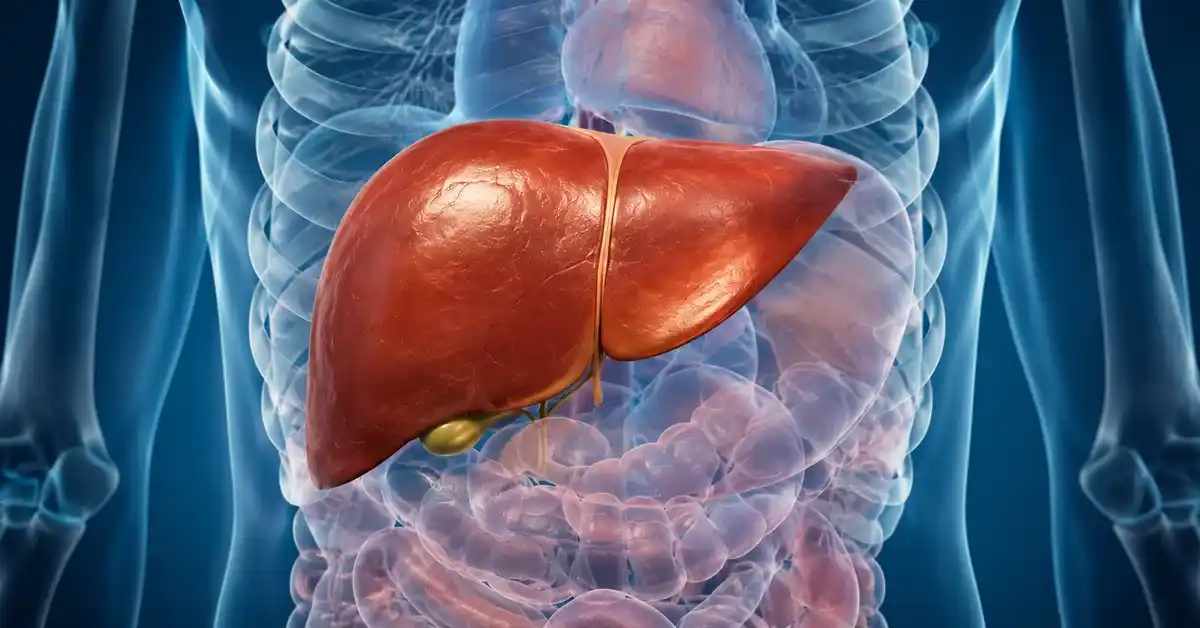
Liver transplant in Turkey is an advanced treatment option for patients with severe liver failure or chronic liver disease that no longer responds to standard medical treatment. One of the most important questions patients ask before starting the process is: does liver function return after transplant? The answer depends on the patient’s condition before surgery, the cause of liver damage, the type of transplant, the quality of medical follow-up, and how well the patient follows medication and lifestyle instructions after transplant.
The liver is essential for filtering toxins, producing important proteins, supporting blood clotting, helping digestion, storing energy, and managing many vital processes in the body. When the liver reaches advanced failure, serious complications may appear, such as jaundice, fluid accumulation in the abdomen, bleeding, confusion, severe fatigue, malnutrition, and weakened immunity. In such cases, liver transplant may become a necessary treatment option if the patient is medically suitable.
At Safemedigo, liver transplant cases in Turkey are managed as a complete medical journey. The process begins with reviewing medical reports and test results, understanding the cause of liver disease, checking whether a living donor is possible, explaining liver transplant requirements in Turkey, estimating liver transplant cost in Turkey, and clarifying recovery time and post-transplant care. This article explains whether liver function can return after transplant, success rate, risks, cost, surgery types, requirements, rejection symptoms, and long-term life after liver transplant.
Liver Transplant In Turkey And Does Liver Function Return After Transplant
Liver transplant in Turkey aims to replace a severely damaged or non-functioning liver with a healthy liver or part of a healthy liver, depending on the patient’s case and donor type. When the operation succeeds and the transplanted liver begins working properly, liver function can improve significantly. Many symptoms of liver failure may decrease or disappear gradually.
However, the return of liver function does not mean that the patient no longer needs medical care. After transplant, the patient must take immune-suppressing medications to prevent the body from rejecting the transplanted liver. Regular blood tests are also needed to monitor liver function, kidney function, medication levels, infection signs, and possible rejection.
Results vary from one patient to another. Some patients gradually return to a life close to normal, while others need a longer recovery because of weakness before surgery, other medical conditions, or complications after transplant. Therefore, each case must be evaluated individually rather than based on general expectations.
Does Liver Function Return After Transplant Fully
In many cases, liver function improves greatly after a successful transplant. Blood markers may improve, jaundice may decrease, clotting function may become better, protein levels may improve, and complications of liver failure such as abdominal fluid and confusion may become less severe or disappear. The transplanted liver begins to perform essential functions under close medical monitoring.
However, the word “fully” should be understood realistically. After a liver transplant, the patient does not instantly become like someone who never had liver disease or major surgery. Instead, the patient enters a new long-term treatment phase that requires continuous commitment. The transplanted liver must be protected from rejection, infection, harmful medications, alcohol, and unhealthy habits.
Factors that support better liver function after transplant include proper timing of surgery, stable general health before the operation, absence of active infection, successful surgical connections, correct use of anti-rejection medications, regular blood tests, avoiding alcohol, and not using random medications without medical approval.
Long-Term Results of Liver Transplant
Long-term results of liver transplant depend on the success of the surgery, stable function of the transplanted liver, absence of severe or repeated rejection, infection control, and healthy bile ducts and blood vessels. They also depend strongly on the patient’s adherence to medication, appointments, and regular testing.
After a successful transplant, the patient may notice better energy, appetite, skin color, sleep, concentration, and ability to move. Hospital admissions caused by liver failure complications may become less frequent, and quality of life may gradually improve compared with the period before transplant.
However, long-term results do not happen automatically. Missing medications, delaying medical review, untreated infections, severe weight gain, alcohol use, or harmful habits may affect the transplanted liver. For this reason, continuous follow-up is a core part of transplant success, not just an extra step after surgery.
Life After Liver Transplant
Many patients can live a life close to normal after liver transplant, especially when the transplanted liver becomes stable and medications are well managed. The patient may gradually walk, work, travel, perform daily activities, and experience better quality of life compared with advanced liver failure.
Still, life after liver transplant requires clear commitment. The patient must take anti-rejection medications on time, complete blood tests regularly, contact the doctor if fever, jaundice, or unusual pain appears, and avoid alcohol and unapproved medications. Nutrition, weight, blood pressure, blood sugar, and infection prevention also need attention.
Returning to normal life is gradual. At first, the patient focuses on recovery, light movement, wound care, nutrition, and medication adjustment. Activity then increases slowly according to blood test results, body strength, and the doctor’s instructions. A normal life may be possible, but it requires awareness and responsibility.
Liver Transplant Success Rate in Turkey And Key Factors
Liver transplant success rate in Turkey is influenced by several factors, including the patient’s condition before surgery, the cause of liver failure, donor suitability, transplant type, hospital experience, intensive care quality, infection control, and follow-up after surgery. A single success percentage cannot apply to all patients.
Liver transplant requires a multidisciplinary team because success does not depend on the surgeon alone. The patient needs careful evaluation by liver specialists, surgeons, anesthesiologists, intensive care teams, radiology, laboratory medicine, nutrition, pharmacy, and nursing teams. After transplant, close follow-up is required to monitor rejection, medication levels, and liver function.
When discussing success rate, the individual case matters most. A medically stable patient with a suitable donor and no active infection or other organ failure may have better expectations than a critically ill patient with severe complications. Personalized evaluation is more important than general numbers.
Liver Transplant Success Rate in Turkey
Liver transplant success rate in Turkey can be favorable in specialized centers when the patient is selected correctly and prepared properly before surgery. However, success does not depend only on the country. It depends on medical evaluation quality, team experience, intensive care support, and post-surgery follow-up.
Factors affecting success include the cause of liver failure, patient age, additional medical conditions, heart, kidney, and lung status, level of weakness or malnutrition, infection, transplant type, transplanted liver size, and the team’s experience in managing complications. Patient adherence after surgery also plays a major role in protecting the transplanted liver.
Patients should ask about expectations for their own case rather than only general success rates. Every patient has different circumstances, and the treatment plan may change according to blood tests, imaging, and medical response before surgery.
Living Donor Liver Transplant Success Rate
Living donor liver transplant involves taking part of a healthy person’s liver and transplanting it into the patient. This type of transplant may reduce waiting time and allow planned surgery, but it requires very careful evaluation of both donor and recipient.
Living donor liver transplant success rate depends on donor safety, the size of the transplanted liver portion, the amount of liver remaining in the donor, the quality of blood vessels and bile ducts, and the recipient’s condition before surgery. It also depends on the center’s experience in performing two connected operations at the same time: one for the healthy donor and one for the patient.
Success in this type of transplant means not only improvement for the recipient, but also safety and recovery for the donor. Donation should only be accepted after confirming that the risks are acceptable and that the decision is voluntary, clear, and based on full understanding of the process and recovery.
Risks Of Liver Transplant in Turkey
Risks of liver transplant in Turkey are similar in principle to liver transplant risks anywhere else, because this is a major and sensitive surgery. The level of risk depends on the patient’s condition, transplant type, living donor presence, center experience, and complications before surgery.
Possible risks include bleeding, infection, rejection of the transplanted liver, bile duct problems, blood vessel problems, temporary weakness of the transplanted liver, blood clots, kidney problems, side effects of anti-rejection medications, or the need for additional procedures. These risks do not mean that transplant is unsuitable, but they highlight the importance of preparation and follow-up.
In living donor transplant, there are also donor-related risks such as pain, bleeding, infection, bile leakage, wound problems, or delayed recovery. Therefore, donor safety must receive the same level of attention as recipient treatment.
Liver Transplant Cost In Turkey And Best Hospitals
Liver transplant cost in Turkey varies according to transplant type, patient condition, living donor availability, required tests, surgery duration, intensive care stay, hospital stay, medications, and follow-up after discharge. There is no single cost that applies to every case.
Liver transplant is a high-cost procedure because it includes comprehensive evaluation, major surgery, intensive care, a multidisciplinary team, precise medication management, repeated blood tests, and sometimes additional procedures if complications occur. In living donor liver transplant, the evaluation and care of both donor and recipient must be considered.
Choosing the best liver transplant hospital in Turkey should depend on experience, a complete liver transplant program, intensive care quality, ability to manage complications, and clear follow-up planning, not on price alone. Transplant care does not end when the patient leaves the operating room.
Liver Transplant Cost In Turkey
Liver transplant cost in Turkey may include consultations, blood tests, imaging, donor evaluation, surgery, anesthesia, intensive care, hospital stay, medications, and post-surgery tests. The cost may change if the patient needs longer hospitalization or treatment for complications.
Factors that affect cost include transplant type, patient condition, number of tests, intensive care duration, hospital stay length, need for special medications, follow-up after discharge, and translation or coordination services when traveling. Cost may also differ between living donor transplant and deceased donor transplant depending on the medical system available.
Before making a decision, the patient should understand exactly what the medical offer includes and what may be billed separately, especially medications, additional intensive care, complication treatment, and extended hospitalization. Clear cost planning helps reduce surprises during treatment.
Best Liver Transplant Hospital In Turkey
The best liver transplant hospital in Turkey is a hospital with a complete transplant program, not only an operating room. It should have specialists in liver disease, transplant surgery, anesthesia, intensive care, radiology, laboratory medicine, pharmacy, nutrition, and specialized nursing.
Important hospital selection criteria include experience in liver transplant, clear donor and recipient evaluation, specialized intensive care, ability to manage bile duct and blood vessel complications, a program for monitoring liver rejection, and transparent explanation of risks and cost. The follow-up plan after discharge should also be clear.
The right hospital provides a full care system before and after transplant. This is important because transplant success depends on long-term follow-up as much as it depends on the surgery itself.
Best Liver Transplant Surgeon in Turkey
The best liver transplant surgeon in Turkey is the surgeon or medical team that clearly explains whether the patient is suitable for transplant, which transplant type is most appropriate, what the realistic risks are, and what to expect after surgery. In liver transplant, the full medical team is just as important as the individual surgeon.
The surgeon should have liver transplant experience, the ability to assess risks, concern for donor safety, clear communication, and realistic expectations without exaggerated promises. The surgeon should also work within a center that can follow the patient after surgery and manage complications quickly.
The patient should feel that the full plan is clear: why transplant is needed, what alternatives exist, what the risks are, what treatment may cost, how recovery will be, and what happens after returning home. This clarity helps the patient make a safer medical decision.

Liver Transplant Requirements, Turkey, and Surgery Types
Liver transplant requirements in Turkey depend on the recipient’s condition and donor type. The patient must truly need a transplant, be able to tolerate surgery, and have no serious contraindication such as uncontrolled infection or a disease that makes transplant unsafe.
In living donor liver transplant, the donor is evaluated very carefully. Willingness to donate is not enough. The donor must be medically, psychologically, and anatomically suitable. Donor safety is a central priority because the donor is a healthy person undergoing major surgery to help another patient.
Types of liver transplant surgery include full liver transplant and partial liver transplant. A deceased donor transplant may involve a full liver, while a living donor transplant usually uses part of the liver. The choice depends on the patient’s medical condition, donor availability, regulations, and surgical planning.
Liver Transplant Requirements Turkey
Liver transplant requirements Turkey include advanced liver disease or liver failure that cannot be controlled with standard treatment, the ability to tolerate surgery, and willingness to follow medications and medical appointments after transplant. The patient’s general health must be evaluated carefully before approval.
Requirements usually include heart, lung, and kidney evaluation, infection screening, nutrition assessment, medication review, and assessment of the patient’s ability to follow treatment after surgery. If the transplant is from a living donor, the donor must be evaluated independently to confirm that donation is safe and suitable.
The operation may be delayed if there is active infection, severe weakness that needs improvement, unstable heart disease, or any factor that increases surgical risk beyond an acceptable level. The purpose of these requirements is to improve success chances and reduce risks.
Living Donor Liver Transplant Turkey
Living donor liver transplant Turkey means taking part of a healthy person’s liver and transplanting it into the patient. After surgery, the remaining liver in the donor and the transplanted portion in the recipient begin to adapt and regenerate gradually under careful medical follow-up.
This type may reduce waiting time and allow planned surgery, but it requires detailed evaluation of both sides. The donor needs liver function tests, blood type testing, liver imaging, liver volume measurement, blood vessel and bile duct evaluation, heart and lung assessment, and psychological and social evaluation.
A donor is accepted only if safety is protected as much as possible, the remaining liver volume is enough for the donor, and the transplanted portion is enough for the patient. A willing donor may still be rejected if donation is unsafe or medically unsuitable.
Types Of Liver Transplant Surgery
Types of liver transplant surgery differ according to the source and amount of liver transplanted. In full liver transplant, a complete liver is usually used from a deceased donor. In partial liver transplant, part of a liver is used, most often from a living donor.
Partial liver transplant depends on the liver’s ability to regenerate, but this does not make it simple. The required liver volume for the recipient and the remaining liver volume for the donor must be calculated carefully. If the size is insufficient, risks may appear for either side.
Both types require long-term follow-up and anti-rejection medications. The choice depends on availability, patient condition, regulations, donor suitability, and center experience. The best option should be discussed with the medical team after reviewing tests and imaging.
When Is Liver Transplant Needed, and Medical Conditions
Liver transplant is needed when the liver can no longer perform its essential functions, when complications of liver disease recur despite treatment, or when quality of life is threatened by advanced liver failure. The decision is not based on one symptom only, but on a full medical evaluation.
The need for transplant may be caused by advanced cirrhosis, acute liver failure, bile duct diseases, inherited diseases, autoimmune liver diseases, complications of chronic hepatitis, or selected liver tumors under specific medical criteria. The treatment plan depends on diagnosis, disease stage, and response to previous treatment.
Early evaluation is very important. Delayed referral may lead to severe weakness, malnutrition, infection, kidney problems, bleeding, or confusion, making surgery riskier. Patients with advanced liver disease should not wait until the condition becomes critical before seeking evaluation.
When Is Liver Transplant Needed
Liver transplant is needed when signs show that the liver is no longer working adequately. These signs may include persistent jaundice, fluid accumulation in the abdomen, bleeding from enlarged veins in the esophagus or stomach, confusion, severe fatigue, and malnutrition.
The patient may also need transplant evaluation when hospital admissions become frequent because of liver complications, blood tests worsen, or advanced liver disease cannot be reversed. These signs do not always mean immediate transplant, but they do mean specialist evaluation is necessary.
The earlier the case is evaluated, the better the chance of safe planning, improving general health, and understanding available options before reaching a critical stage. Patients should not wait until severe deterioration before starting the process.
Diseases Leading To Liver Transplant
Several diseases may lead to liver transplant if they reach an advanced stage. These include cirrhosis, acute liver failure, bile duct diseases, autoimmune liver diseases, certain inherited diseases, advanced fatty liver disease, and complications of chronic hepatitis.
Some children may need liver transplant because of congenital, bile duct, or inherited conditions. In selected cases, transplant may also be considered for specific tumors or liver conditions under strict medical criteria. Evaluation differs according to age, diagnosis, spread of disease, and overall health.
Not every liver disease requires transplant. Many conditions can be treated or controlled for a long time if diagnosed and followed early. The decision depends on disease severity, test results, and the patient’s response to treatment.
Liver Failure Stages
Liver failure stages often begin with a chronic disease that can be monitored, then progress to advanced cirrhosis, then visible complications, and finally end-stage liver failure. In early stages, the patient may not feel strong symptoms, while blood tests and imaging may show gradual deterioration.
In advanced stages, complications may include fluid in the abdomen, jaundice, bleeding, confusion, recurrent infections, and worsening kidney function. At this point, liver transplant evaluation becomes important to determine whether treatment is possible. The patient may need preparation before transplant to improve general condition.
Waiting until the patient becomes critically ill can increase risks. Therefore, patients with advanced liver disease should be evaluated before reaching severe failure, because early planning may make the treatment journey safer.
Recovery Time After Liver Transplant And Care
Recovery time after liver transplant varies according to the patient’s condition, transplant type, complications, age, nutrition, and body strength before surgery. Recovery begins in intensive care, continues in the hospital ward, and then continues at home through medications, blood tests, and follow-up visits.
In the first days, the medical team monitors transplanted liver function, blood flow, bile ducts, kidneys, fluid balance, pain, infection, and the surgical wound. Once stable, the patient starts gradual movement and nutrition, and learns how to take anti-rejection medications and attend follow-up appointments.
Post liver transplant care is extremely important. Even if the transplanted liver works well, missing medications or tests may lead to rejection, infection, or worsening liver function. The patient must understand that recovery does not end at hospital discharge.
Recovery Time After Liver Transplant
Recovery time after liver transplant may extend from weeks to months. At first, follow-up is intensive, then visits become less frequent depending on stability. Some patients improve quickly, while others need more time because of weakness before surgery or complications after transplant.
Recovery stages include intensive care, blood test monitoring, anti-rejection medication adjustment, pain control, nutrition, gradual movement, wound care, and discharge when stable. After discharge, appointments and blood tests continue frequently at first.
The patient should not rush back to full activity without medical approval. The body needs time to adjust to the transplanted liver and medications, and the wound and muscles need gradual healing. Following the recovery plan helps reduce complications and improve outcomes.
Post Liver Transplant Care
Post liver transplant care includes taking anti-rejection medications on time, never stopping medication without instructions, completing blood tests regularly, contacting the doctor for fever or jaundice, and avoiding alcohol completely. Random medications should also be avoided because they may affect the liver or kidneys.
Care also includes healthy nutrition, infection prevention, hand hygiene, avoiding close contact with infected people during sensitive periods, weight monitoring, blood sugar and blood pressure control, and wound care in the early period. Follow-up appointments should continue even when the patient feels better.
Any unusual sign such as fever, severe pain, jaundice, dark urine, persistent vomiting, swelling, shortness of breath, or major blood test changes should be taken seriously. Early communication with the medical team may prevent complications from worsening.
Lifestyle After Liver Transplant
Lifestyle after liver transplant should protect the transplanted liver and support recovery. The patient needs balance between rest and movement, good nutrition, enough sleep, and infection prevention. The patient must also learn to manage medications and follow-up as a permanent part of life.
Patients are advised to avoid alcohol completely, stop smoking, avoid medications without medical approval, maintain a healthy weight, move gradually, and monitor blood sugar, blood pressure, and cholesterol. All follow-up visits should be respected even when the patient feels fully recovered.
Life after liver transplant can be stable and comfortable, but it requires responsibility and continuous awareness. The more consistent the patient is with medication, follow-up, and healthy lifestyle habits, the better the chance of protecting the transplanted liver for a longer time.
Liver Transplant Rejection Symptoms And Complications
Liver transplant rejection symptoms may be obvious or may appear only in blood tests. Rejection happens when the immune system recognizes the transplanted liver as foreign and tries to attack it. This is why immune-suppressing medications are used after surgery and must not be stopped or changed without medical instructions.
Life expectancy after liver transplant cannot be answered with one number for everyone. It depends on surgery success, stable liver function, medication adherence, infection control, other medical conditions, and lifestyle. Many patients live for many years after transplant when they follow the medical plan.
Possible complications include rejection, infection, bleeding, bile duct problems, blood vessel problems, kidney dysfunction, and side effects of anti-rejection medications. Early detection helps treat complications before they become serious.
Liver Transplant Rejection Symptoms
Liver transplant rejection symptoms may include elevated liver enzymes, yellowing of the eyes or skin, dark urine, itching, fever, severe fatigue, upper abdominal pain, nausea, loss of appetite, pale stool, or general decline. Sometimes the first sign is only a change in blood test results.
Rejection may appear in blood tests before clear symptoms develop, so the patient should not rely only on how they feel. Regular blood testing is essential, especially in the first months after surgery or when medication doses are changed.
If any unusual sign appears, the patient should contact the doctor quickly. Rejection may be treatable when detected early, but delay or stopping medications may damage the transplanted liver and increase complication risk.
Life Expectancy After Liver Transplant
Life expectancy after liver transplant varies from one patient to another. Many patients live for many years after transplant when liver function becomes stable and they remain committed to medications and follow-up. However, long-term survival is affected by the original disease, the patient’s condition before surgery, and complications after transplant.
Factors that support longer life include taking anti-rejection medications correctly, completing regular blood tests, treating infections early, controlling blood sugar and blood pressure, maintaining a healthy weight, avoiding alcohol, and not using medications without medical advice. Family and emotional support also help patients remain committed to care.
Instead of focusing only on a general number, patients should work with their medical team to build a personal plan that protects the transplanted liver for as long as possible. Each case has its own risks and expectations.
Complications After Liver Transplant
Complications after liver transplant may be early or late. They may appear during the hospital stay or after returning home. For this reason, the patient and family should know warning signs and how to contact the medical team if anything changes.
Possible complications include rejection of the transplanted liver, infection, bleeding, bile leakage or bile duct narrowing, blood flow problems to the liver, blood clots, kidney problems, high blood sugar or blood pressure, and medication side effects. Some complications are treated with medication, while others may need additional procedures.
Warning signs that require urgent medical review include fever, sudden jaundice, severe pain, bleeding, persistent vomiting, shortness of breath, severe swelling, dark urine, confusion, or major changes in blood tests. Early follow-up reduces the risk of complications becoming severe.
Conclusion
Liver transplant in Turkey may help the patient regain liver function to a significant degree when the case is suitable, preparation is done properly, and the operation succeeds. However, the return of liver function does not mean the end of medical follow-up. It marks the beginning of a new phase that requires medications, tests, care, and healthy lifestyle habits to protect the transplanted liver.
Liver transplant success depends on selecting the right patient, having a suitable donor when needed, center experience, intensive care quality, quick management of complications, and patient adherence after surgery. Liver transplant cost in Turkey also varies according to transplant type, tests, hospital stay, medications, and follow-up.
Frequently Asked Questions: Liver Transplant in Turkey: Can Function Return
Does liver function return after transplant fully?
In many cases, liver function improves significantly after a successful transplant. However, the patient still needs anti-rejection medications, regular tests, continuous follow-up, and avoidance of factors that may harm the transplanted liver.
What is the liver transplant success rate in Turkey?
Success rate varies depending on the patient’s condition, transplant type, donor suitability, center experience, complications, and adherence after surgery. Each case should be evaluated individually.
What is life after liver transplant like?
Many patients gradually return to a life close to normal, but they must follow medications, blood tests, healthy nutrition, medical appointments, and avoid alcohol or random medications.
What are liver transplant rejection symptoms?
Possible rejection symptoms include elevated liver enzymes, jaundice, dark urine, itching, fever, severe fatigue, pain near the liver area, or changes in blood test results.
What are the main types of liver transplant surgery?
The main types include full liver transplant, usually from a deceased donor, and partial liver transplant, most often from a living donor.