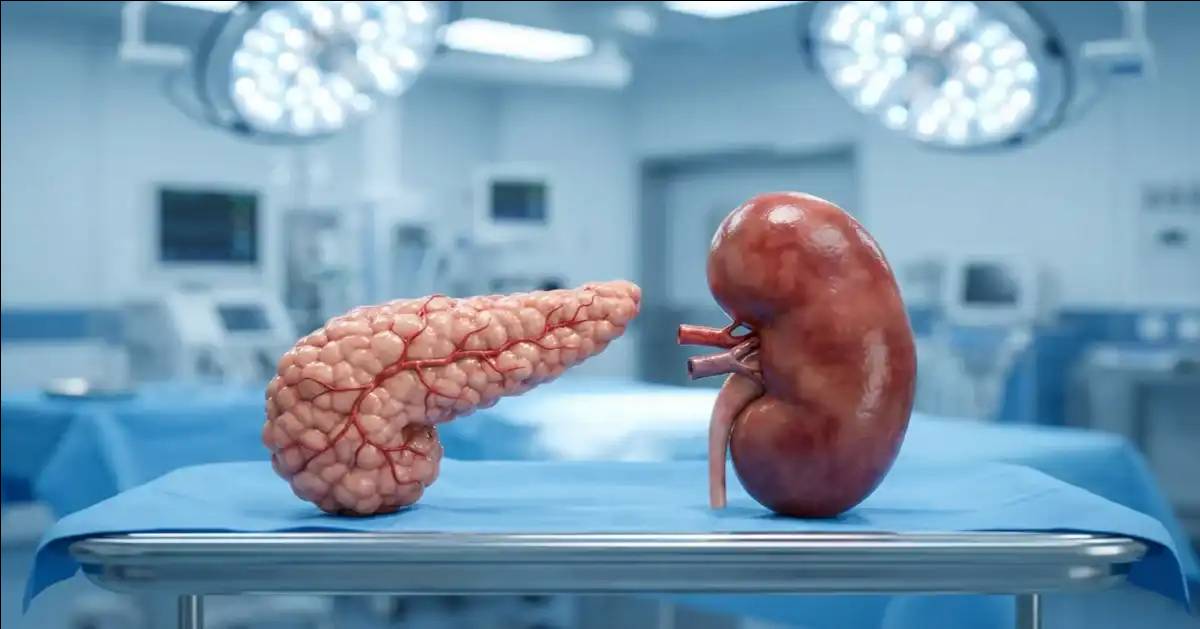








Life after kidney transplant can allow many patients to return to work, travel, exercise and enjoy a less restrictive lifestyle than they experienced during dialysis. However, the long-term success of a kidney transplant depends on much more than the transplant operation itself.
A transplanted kidney requires lifelong protection from rejection, infection, medication toxicity and common long-term health problems such as high blood pressure, diabetes, cardiovascular disease and excessive weight gain. Importantly, rejection can begin before a patient notices symptoms, making scheduled blood tests and transplant follow-up essential even when the patient feels completely well.
At Safemedigo, life after kidney transplant is approached as long-term graft protection combined with helping patients safely return to normal daily activities and maintain overall health.
Anti-Rejection Medication and Kidney Transplant Follow-Up
Medication adherence is one of the most important factors in protecting a transplanted kidney.
Taking Immunosuppressive Medication Correctly
Most kidney transplant recipients require immunosuppressive medication for as long as the transplanted kidney continues to function.
Treatment commonly involves more than one medication, and doses can change according to the time since transplant, rejection risk, kidney function and side effects.
Anti-rejection medication should never be stopped or adjusted independently. Missing doses can lead to rejection and potentially loss of graft function.
Monitoring Drug Levels and Kidney Function
Certain medications require regular blood-level monitoring.
Tacrolimus is one commonly used immunosuppressive medicine. Its dose is adjusted according to blood concentrations and other clinical factors.
Regular tests also monitor creatinine, electrolytes, blood counts, liver function and other parameters depending on the treatment regimen.
Medication and Food Interactions
Several antibiotics, antifungal medications, supplements and herbal products can alter immunosuppressive drug levels.
Grapefruit and grapefruit juice can significantly affect tacrolimus and certain other transplant medications and should generally be avoided when these medicines are being used.
New prescription drugs, over-the-counter medicines and herbal supplements should therefore be reviewed for interactions before use.
Diet After Kidney Transplant and Graft Protection
Many dialysis-related dietary restrictions can be relaxed after successful transplantation, but long-term nutrition remains important.
Healthy Eating After Kidney Transplant
A balanced diet should support cardiovascular health, healthy body weight and blood-pressure control.
Excessive salt, saturated fats, highly processed foods and added sugars should be limited.
Weight gain is common after transplantation because appetite can improve and some medications increase hunger or alter metabolism. Excessive weight gain can increase the risk of hypertension, cardiovascular disease and post-transplant diabetes.
Potassium, Phosphorus and Fluid
Restrictions on potassium and phosphorus may become less strict when the transplanted kidney works well.
However, laboratory results and medication effects differ between patients, so dietary restrictions should be individualized.
Fluid intake should also be based on kidney function, urine output, blood pressure and other medical factors rather than following one universal amount.
Food Safety After Transplant
Immunosuppression increases susceptibility to foodborne infections.
Raw or undercooked meat, fish and eggs should be avoided, along with unpasteurized dairy products. Fruits and vegetables should be washed carefully, and food handling and storage should be particularly hygienic.
| Long-Term Habit | Why It Matters | Key Point |
|---|---|---|
| Take medicines on schedule | Prevent rejection | Never change doses independently |
| Attend laboratory testing | Detect graft changes early | Follow the transplant team's schedule |
| Maintain a healthy diet | Protect heart, weight and blood pressure | Limit excess salt, sugar and processed food |
| Practice food safety | Reduce infection risk | Avoid raw and unpasteurized foods |
| Exercise regularly | Protect cardiovascular and muscle health | Increase activity gradually |
| Protect skin from sunlight | Reduce skin cancer risk | Use sunscreen and protective clothing |
| Avoid smoking | Protect graft and cardiovascular health | Seek cessation support if needed |
Infection Prevention and Vaccines After Kidney Transplant
Anti-rejection medicines reduce immune defenses, making infection prevention an important part of long-term transplant care.
Reducing Infection Risk
Good hand hygiene, safe food preparation, dental care and avoiding close contact with people who have contagious illnesses can reduce exposure.
Some patients also receive preventive medication against particular infections during the early post-transplant period.
Monitoring may include viruses that can become clinically important during immunosuppression, including BK virus and cytomegalovirus, depending on the patient's risk and transplant protocol.
Vaccines After Kidney Transplant
Vaccination remains important after transplantation, but timing and vaccine type must be coordinated with the transplant team.
Many non-live vaccines can be used in immunocompromised patients according to appropriate schedules. Live vaccines are generally avoided during significant post-transplant immunosuppression, although highly selected exceptions may exist under specialist supervision.
Travel vaccination planning is particularly important before international trips.
Fever and Infection Symptoms
Fever, persistent cough, painful urination, wound drainage or unexplained illness should be reported promptly.
Immunosuppressive medication can sometimes reduce the usual inflammatory response, so serious infection may not always produce dramatic early symptoms.
Blood Pressure, Diabetes, Weight and Cancer Prevention
Long-term kidney transplant success also depends on protecting the rest of the body.
Blood Pressure and Graft Function
High blood pressure can damage the transplanted kidney and cardiovascular system.
Blood pressure should therefore be monitored alongside creatinine, urine protein and other tests when indicated.
A rising creatinine level does not automatically mean rejection. Dehydration, medication effects, infection, obstruction and other conditions can also impair kidney function.
Weight and Post-Transplant Diabetes
Some immunosuppressive medicines and corticosteroids can increase the risk of diabetes or weight gain.
Healthy eating and regular physical activity help reduce metabolic and cardiovascular complications.
Blood glucose and lipid levels may need continued monitoring depending on individual risk.
Cancer and Skin Protection
Long-term immunosuppression increases the risk of certain cancers, particularly skin cancer.
Sun protection, including protective clothing and sunscreen, is important, as are routine cancer-screening programs appropriate for age, sex and individual risk.
Dental, eye and bone health also remain important because both previous kidney disease and transplant medication can affect these areas.

Exercise, Travel, Pregnancy and Normal Life After Transplant
One major goal of kidney transplantation is to enable patients to live more normally and independently.
Exercise After Kidney Transplant
Walking usually forms part of early recovery, with activity increasing gradually as the surgical wound heals.
Heavy lifting and strenuous abdominal exercise should be avoided until the surgical team confirms that healing is adequate.
Long-term aerobic activity and appropriate resistance exercise can help control weight, preserve muscle and reduce cardiovascular risk.
Activities that could result in direct trauma to the transplanted kidney should be discussed with the transplant team.
Travel and Returning to Work
Many patients can return to work, social activities and travel once kidney function and medication levels are stable.
Travel planning should include an adequate medication supply, appropriate storage, dose timing across time zones and access to medical care if needed.
International travel soon after transplantation may be delayed because laboratory monitoring and infection precautions are particularly important during the early months.
Sexual Health and Pregnancy
Sexual health and fertility often improve following successful kidney transplantation. Sexual activity can usually resume once the surgical wound has healed and the medical team confirms it is safe.
Pregnancy requires advance planning. Current guidance recommends delaying pregnancy for at least one year after solid-organ transplantation or an episode of acute rejection, with stable graft function and medication review before conception.
Mycophenolate is one important transplant medication that poses fetal risk and generally requires transition to a pregnancy-compatible regimen before conception. Medication changes must always be managed by the transplant team rather than performed independently.
Kidney Rejection Signs and When to Seek Medical Care
Early recognition of graft dysfunction can allow treatment before major damage develops.
Rejection Can Be Asymptomatic
Kidney transplant rejection may begin without obvious symptoms.
A rise in creatinine or other laboratory abnormalities may be detected before the patient feels unwell, making routine blood testing essential.
Warning Signs After Kidney Transplant
A noticeable fall in urine output, new swelling, rapid unexplained weight gain, higher-than-usual blood pressure, pain around the graft or unexplained worsening health should prompt contact with the transplant team.
Fever, painful urination, wound drainage and persistent respiratory symptoms also require early assessment because infection can threaten both the patient and the transplanted kidney.
Vomiting, Diarrhea and Anti-Rejection Medication
Persistent vomiting or diarrhea can interfere with medication absorption and cause dehydration.
Diarrhea can also alter blood concentrations of certain immunosuppressive drugs.
Patients who cannot keep their anti-rejection medication or fluids down should contact their transplant team rather than simply waiting for the symptoms to resolve.
Conclusion
Life after kidney transplant can provide greater independence and quality of life, but long-term transplant success requires ongoing care.
Taking anti-rejection medication exactly as prescribed and attending scheduled blood tests are fundamental. Healthy weight, blood-pressure and glucose control, infection prevention, safe food practices, regular exercise and appropriate cancer screening further protect both the transplanted kidney and overall health.
Feeling well does not replace follow-up because early graft dysfunction or rejection may be detected in laboratory testing before symptoms develop.
Frequently Asked Questions: Life After Kidney Transplant: Tips for Long-Term Success
Do anti-rejection medications continue for life?
Most patients need immunosuppressive medication for as long as the transplanted kidney remains functional, although doses and combinations may change.
Can I eat normally after a kidney transplant?
Dietary choices generally become broader after successful transplantation, but healthy eating, food safety and individualized laboratory-based restrictions remain important.
Can I exercise after kidney transplantation?
Yes. Activity is gradually increased during recovery, and regular exercise is encouraged once the surgical team confirms it is safe.
Can I travel after a kidney transplant?
Yes, once graft function is stable and the transplant team approves travel. Medication supply, infection prevention and access to healthcare should be planned in advance.
How can I tell if my transplanted kidney is being rejected?
Rejection may initially cause no symptoms, which is why laboratory monitoring is essential. Reduced urine, swelling or worsening general health may occur later.