





Erectile dysfunction treatment has expanded far beyond conventional tablets. Modern options now include topical treatments, low-intensity shockwave therapy, intracavernosal injections, vacuum devices, increasingly sophisticated penile implants, and investigational regenerative treatments such as platelet-rich plasma and stem-cell therapy.
However, newer does not automatically mean better. Some emerging technologies have evidence for specific groups of men, while others remain experimental despite widespread marketing. Oral PDE5 inhibitors remain a cornerstone of treatment in 2026, with advanced therapies selected according to the cause and severity of ED and previous treatment response.
Identifying the Cause Before Choosing Advanced ED Treatment
Erectile dysfunction can result from vascular disease, diabetes, hormonal abnormalities, neurological injury, pelvic surgery, psychological factors, medication, or several causes acting together.
Treatment should therefore target the individual mechanism rather than simply progressing to the newest technology.
Vascular and Diabetes-Related ED
Healthy erections depend on adequate arterial blood flow and effective trapping of blood within the erectile tissues.
Risk factors include:
- Diabetes.
- Hypertension.
- High cholesterol.
- Obesity.
- Smoking.
- Cardiovascular disease.
Lifestyle modification and treatment of cardiovascular risk factors can improve erectile function in selected patients.
ED After Prostate Surgery or Nerve Injury
Radical prostatectomy and other pelvic procedures can affect the nerves and vessels required for erections.
Treatment may involve oral medication, vacuum therapy, injections, early rehabilitation strategies, and penile prosthesis implantation when less-invasive therapies fail.
No single rehabilitation protocol has been proven to restore spontaneous erections in every patient after prostatectomy.
Hormonal and Psychological Factors
Testosterone treatment should be considered when genuine testosterone deficiency is demonstrated rather than prescribed routinely for all ED.
Psychological contributors such as performance anxiety, stress, and relationship difficulties can also coexist with vascular or neurological ED, making psychological or behavioral therapy useful in selected patients.
Modern Oral and Topical Treatments for Erectile Dysfunction
Oral PDE5 inhibitors remain among the most effective and extensively studied treatments.
Modern management increasingly focuses on correct dosing, daily versus on-demand treatment, alternative delivery methods, and combination strategies for partial responders.
PDE5 Inhibitors Remain a Major First-Line Option
Different medications in this class vary mainly in onset and duration.
Tadalafil can be used on demand or at a lower daily dose in selected patients, allowing sexual activity to be less closely linked to medication timing.
Before labeling oral medication a failure, clinicians should review:
- Dose.
- Timing.
- Sexual stimulation.
- Food interactions.
- Number of attempts.
- Medication authenticity.
PDE5 inhibitors must not be combined with nitrate medication because severe hypotension can result.
Topical and Intraurethral Therapy
Vasoactive medication can also be delivered locally through topical or intraurethral formulations.
These treatments may suit men who cannot use oral drugs or who prefer a less invasive approach than penile injections.
They can cause local burning or discomfort and are generally less effective than intracavernosal injections.
A nonmedicated topical gel using a localized cooling-and-warming mechanism has also been authorized for over-the-counter ED treatment in adult men in the United States, representing a newer topical approach.
Combination Treatment for Partial Responders
Selected difficult-to-treat cases may use combinations such as:
- PDE5 inhibitors with vacuum therapy.
- PDE5 inhibitors with low-intensity shockwave therapy.
- Carefully selected oral-drug combinations.
- Testosterone treatment when true deficiency is present.
Personalized combination therapy is becoming increasingly important for men who do not respond adequately to a single modality.
Low-Intensity Shockwave Therapy for Vasculogenic ED
Low-intensity shockwave therapy has attracted considerable attention because it aims to improve tissue and vascular function rather than simply creating an erection for a single sexual encounter.
Current evidence suggests that it can provide modest improvement in selected men with vasculogenic ED, although response is variable.
How Shockwave Therapy Is Intended to Work
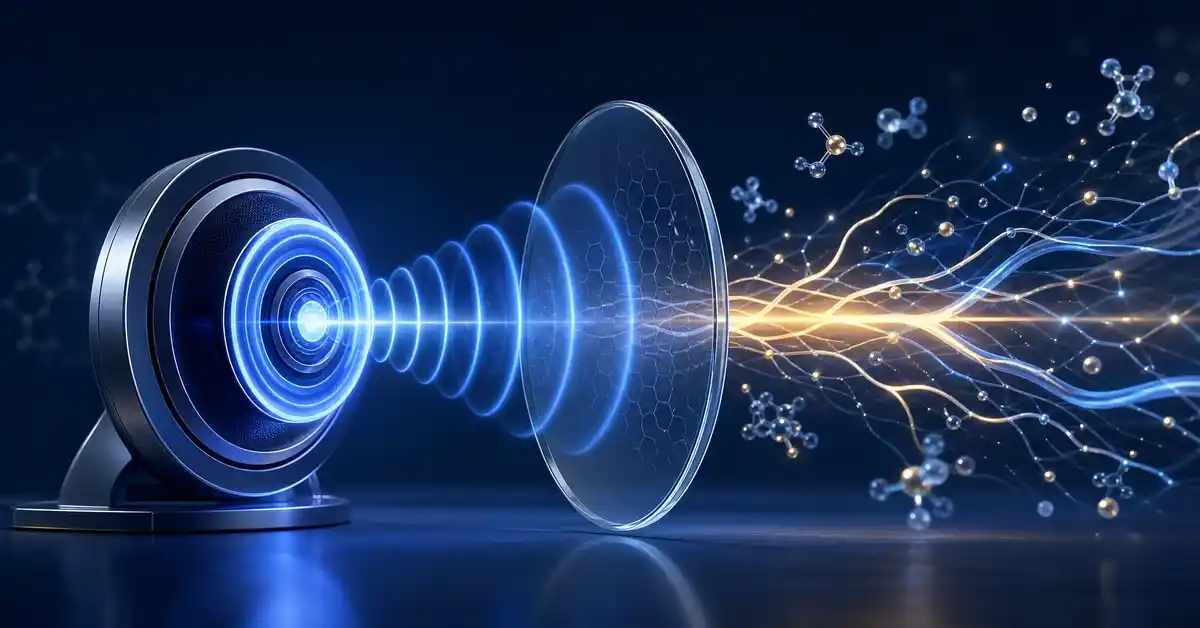
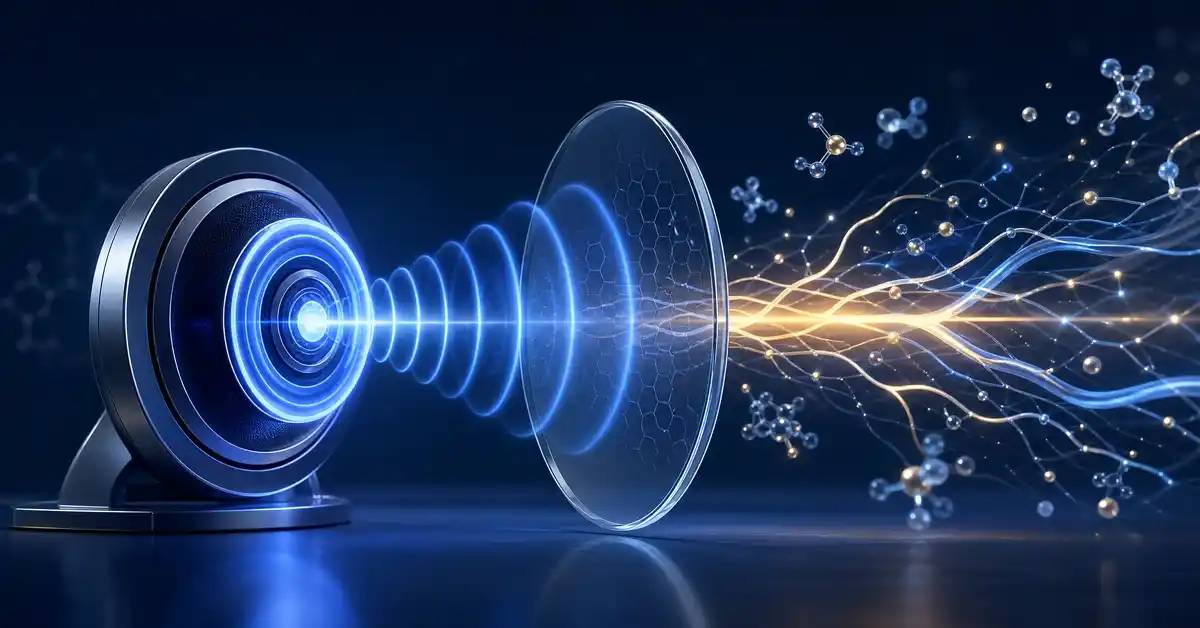
Low-energy acoustic waves are delivered to defined areas over several treatment sessions.
Proposed effects include:
- Improved microvascular function.
- Angiogenic signaling.
- Better penile blood flow.
- Improved endothelial response.
The treatment does not normally produce an immediate erection. Any benefit develops progressively.
Who Is Most Likely to Benefit?
The most suitable candidates tend to include men with:
- Mild vasculogenic ED.
- Mild-to-moderate dysfunction.
- Partial response to PDE5 inhibitors.
- Treatable cardiovascular risk factors.
Penile duplex Doppler testing can help define vascular abnormalities in selected patients and may support more targeted treatment selection.
Does Shockwave Therapy Permanently Cure ED?
That cannot be guaranteed.
Recent randomized-trial reviews suggest possible improvement compared with sham therapy, but overall certainty remains limited by different devices, energy settings, treatment schedules, and patient populations.
Patients should also distinguish true low-intensity focused shockwave systems from radial acoustic devices, because evidence is not interchangeable between technologies.
Read about: Advanced Non-Surgical Treatments for Erectile Dysfunction
Penile Injections, Vacuum Devices, and Advanced Nonsurgical Therapies
When oral medication is insufficient, treatments that act more directly on penile blood flow can provide much stronger erectile responses.
Intracavernosal Injection Therapy
Vasoactive medication is injected directly into the erectile tissue.
Treatment may involve a single agent or combinations of several agents.
Some combination protocols can achieve response rates above 90%, although individualized dosing and proper injection training are essential.
Potential complications include:
- Penile pain.
- Prolonged erection.
- Bruising.
- Fibrosis.
- Dose-related adverse effects.
These medications should not be self-adjusted without appropriate medical supervision.
Vacuum Erection Devices
A vacuum cylinder creates negative pressure that draws blood into the erectile tissue. A constriction ring can then help maintain the erection.
The method can be useful for men who:
- Cannot use oral drugs.
- Prefer a drug-free option.
- Are undergoing rehabilitation after prostate surgery.
- Need combination therapy.
High rates of functional erections can be achieved with correct use, although long-term adherence varies.
Botulinum Neurotoxin as an Emerging Option
Intracavernosal botulinum neurotoxin has been studied in men who respond poorly to oral or conventional injectable therapy.
Early randomized trials have shown encouraging signals, but evidence remains insufficient for it to become routine therapy for general ED.

Modern Penile Implants for Severe Erectile Dysfunction
Penile prosthesis surgery remains one of the most reliable options for severe ED when medication, injections, and other treatments are ineffective or unacceptable.
Modern implant technology has improved mechanical reliability, concealability, infection prevention, and patient satisfaction.
Inflatable Penile Prostheses
Modern inflatable systems usually include cylinders inside the erectile bodies, a small pump, and a fluid reservoir.
Activating the pump transfers fluid into the cylinders to produce rigidity, and the implant can later be deflated.
Three-piece systems generally offer a more natural flaccid appearance between use.
Malleable Penile Implants
Malleable devices contain bendable rods that remain firm and can be manually positioned.
They offer:
- Simpler mechanics.
- Easier operation.
- No pump or reservoir.
- Potential advantages for men with limited hand dexterity.
The ideal device depends on anatomy, previous surgery, infection risk, patient priorities, and surgeon experience.
How Modern Implants Have Improved
Advances include:
- Improved mechanical components.
- Infection-reducing surface technologies.
- Better pump and reservoir designs.
- Surgical techniques designed to reduce contamination.
Modern implants demonstrate strong long-term mechanical survival and some of the highest satisfaction rates among established ED treatments when patients are appropriately counseled.
An implant provides mechanical rigidity rather than restoring normal biological erection, an important distinction before surgery.
PRP, Stem Cells, and the Future of Regenerative ED Therapy
Regenerative medicine is one of the most heavily marketed areas of erectile dysfunction treatment.
The concept is appealing: instead of temporarily improving blood flow, therapy would repair blood vessels, nerves, or erectile tissue itself.
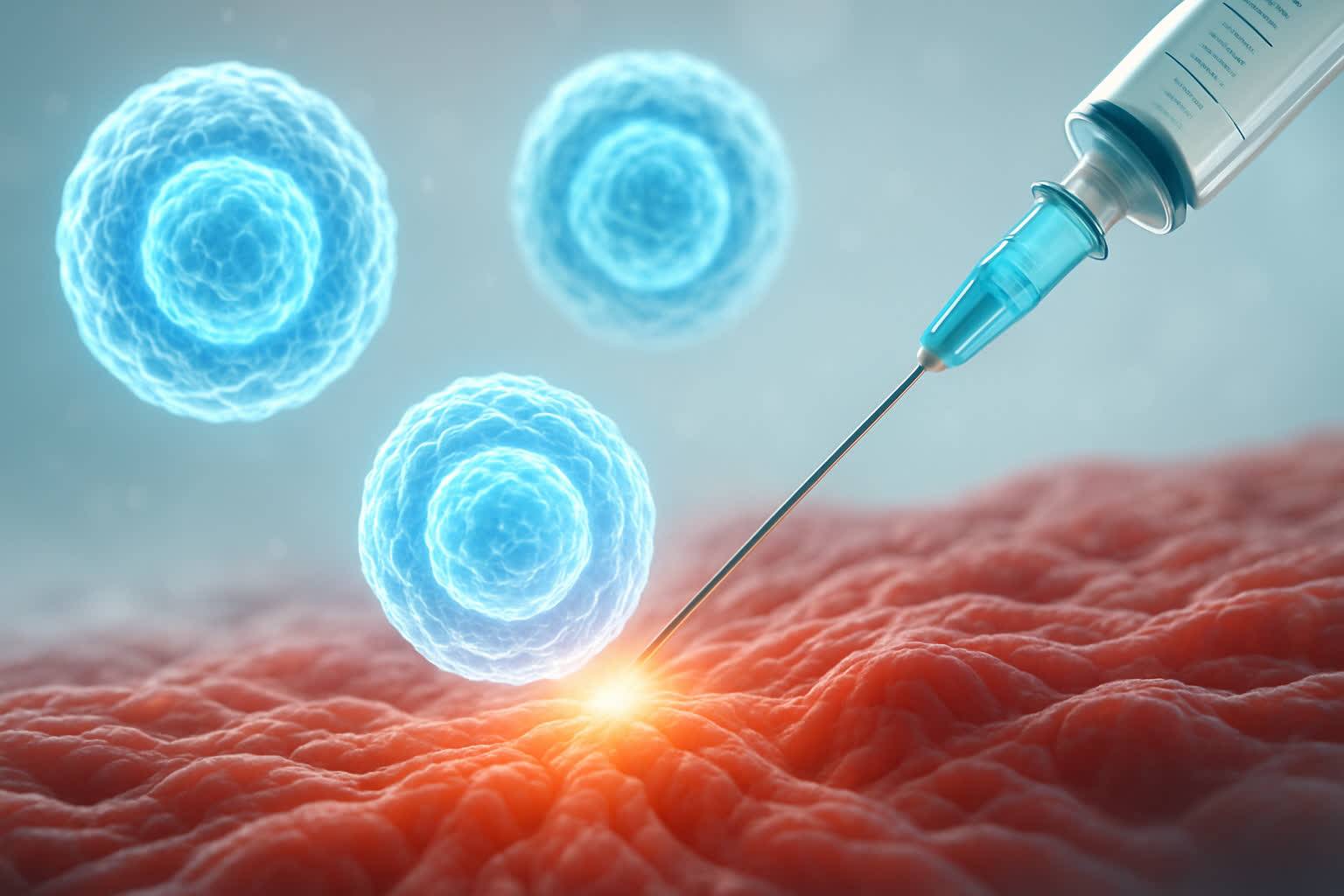
As of 2026, however, PRP and stem-cell therapy remain investigational rather than established standard treatments.
Platelet-Rich Plasma Injections
PRP is prepared from the patient’s own blood and contains concentrated platelets and growth factors.
Some randomized studies have reported improved erectile-function scores, while others have found no clear advantage over placebo.
Major uncertainties remain regarding:
- Preparation method.
- Platelet concentration.
- Dose.
- Number of injections.
- Long-term effect.
Current evidence therefore does not justify presenting PRP as a guaranteed regenerative cure for ED.
Stem-Cell Therapy
Stem cells are being investigated for diabetic, neurological, vascular, and post-prostatectomy ED.
Potential aims include vascular regeneration, nerve repair, and restoration of smooth-muscle function.
Human trials remain relatively small and heterogeneous, and there is still no standardized cell type, preparation method, dose, or proven long-term protocol.
Comparing Established and Emerging Technologies
| Treatment | Current status | Typical role |
|---|---|---|
| PDE5 inhibitors | Established | First option for many men |
| Topical treatment | Established in selected forms | Alternative when oral therapy is unsuitable |
| Vacuum device | Established | Drug-free or combination treatment |
| Penile injections | Established, highly effective | Oral-treatment failure |
| Low-intensity shockwave | Selective evidence | Mild vasculogenic ED |
| Penile implant | Established, highly effective | Severe or refractory ED |
| PRP | Investigational | Clinical research |
| Stem cells | Investigational | Clinical research |
| Botulinum injections | Emerging | Selected refractory cases |
The goal is not to select the newest treatment but to choose the technology that best matches the underlying cause and desired level of invasiveness.
Read about: Erectile Dysfunction Therapy: Turkey vs Germany
Conclusion
Modern erectile dysfunction treatment is increasingly personalized. Some men can recover adequate function after cardiovascular-risk management and proper use of oral medication, while others may benefit from shockwave therapy, vacuum devices, injections, or penile implants.
Regenerative treatments such as PRP and stem cells are scientifically interesting but remain different from established therapies. They should not be promoted as proven tissue-regenerating cures before stronger long-term clinical evidence is available.
Frequently Asked Questions: Latest Technologies for Treating Erectile Dysfunction
Can shockwave therapy permanently cure erectile dysfunction?
It can improve function in selected men with vasculogenic ED, but permanent cure cannot be guaranteed.
Is PRP an established ED treatment?
No. Results are promising in some studies, but evidence remains insufficient for routine clinical use.
Can stem cells restore natural erections?
This has not yet been proven. Human studies remain limited and stem-cell therapy is still investigational.
What is the most reliable treatment when medication fails?
Penile implants provide one of the highest levels of effectiveness and satisfaction for severe treatment-resistant ED.
Should men with ED have cardiovascular assessment?
It is often important, especially when vascular ED or risk factors such as diabetes, hypertension, or smoking are present.