




The evolution of stomach surgery has ushered in a new era of medical excellence, with minimally invasive stomach surgery standing at the forefront of this revolution. Offering hope and a tangible path to a healthier life, these procedures, also known as laparoscopic stomach surgery, have transformed the patient experience. By utilizing small incisions and advanced camera technology, surgeons can perform complex operations with remarkable precision. The primary goal extends beyond treating the underlying condition; it's about achieving faster healing of stomach surgery, ensuring patients can reclaim their lives with minimal disruption and discomfort.
Understanding the profound benefits of laparoscopic stomach surgery is the first step toward making an empowered health decision. As modern stomach surgery techniques continue to advance, patients now have access to safer and more effective options than ever before. At Safemedigo, we are dedicated to pioneering these advancements, providing our patients with the pinnacle of surgical technology. This guide will serve as your comprehensive resource for exploring the world of advanced gastric surgery, from gastric sleeve laparoscopic surgery to gastric bypass, focusing on how these methods lead to a swifter, less painful recovery.
What Is Minimally Invasive Stomach Surgery?
Minimally Invasive Stomach Surgery Definition
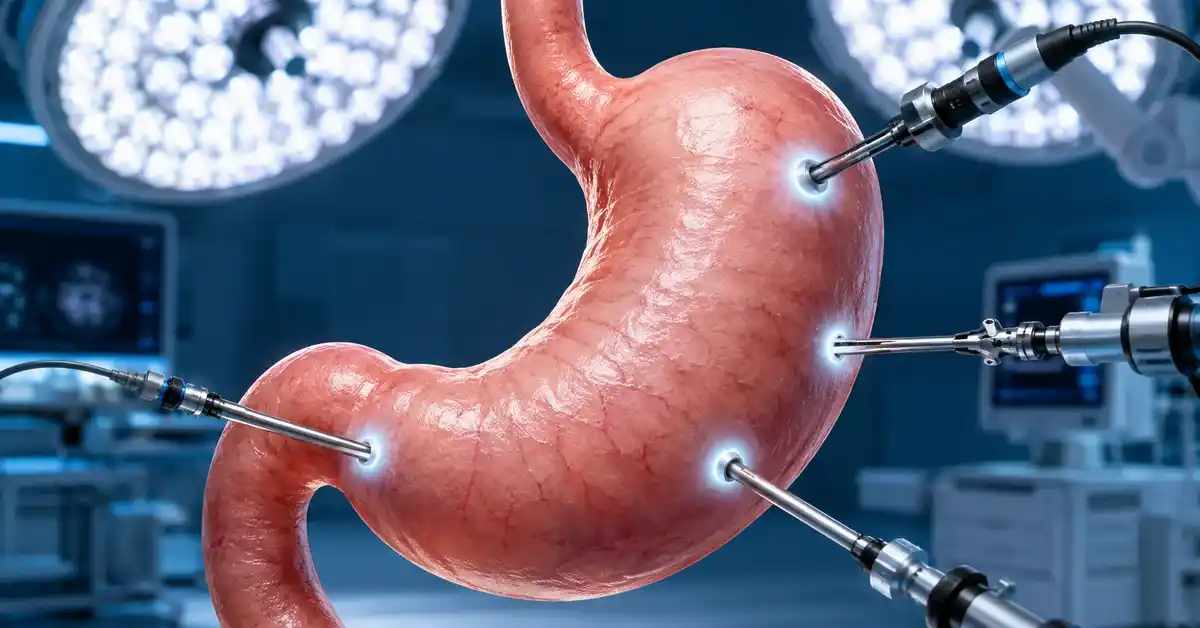
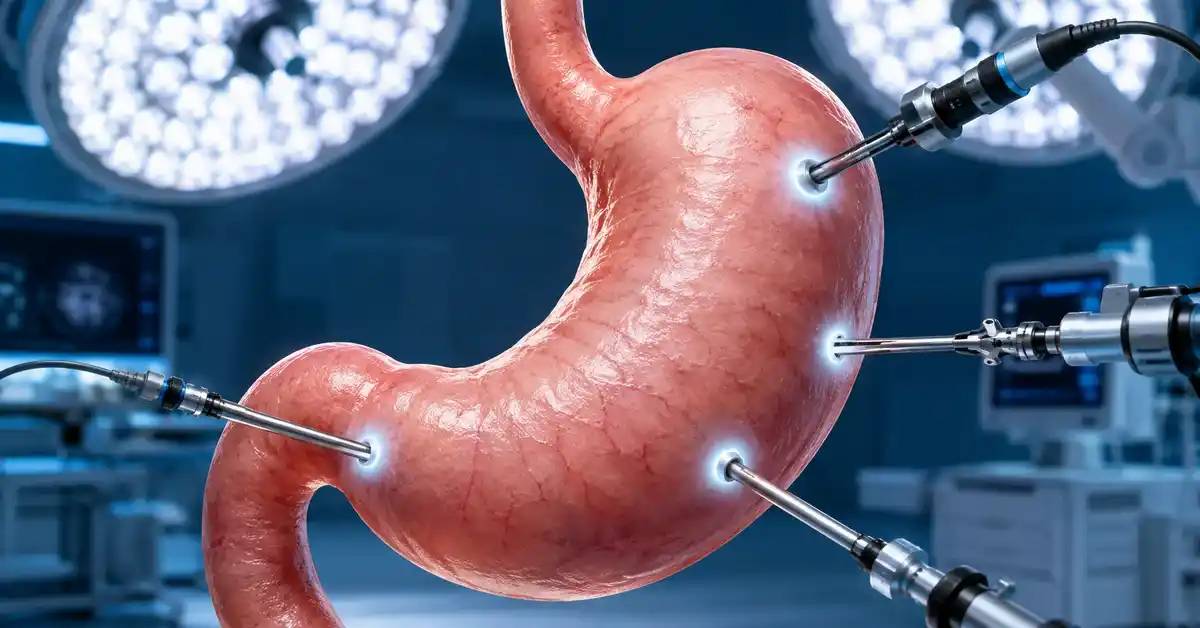
Minimally invasive stomach surgery is an advanced surgical approach that allows surgeons to operate on the stomach without making a large incision. Instead, they make several small cuts, through which they insert a laparoscope—a thin tube with a high-definition camera—and specialized surgical instruments. The camera transmits a magnified, real-time view of the internal organs onto a monitor, guiding the surgeon through the procedure with enhanced precision. This technique significantly reduces trauma to the body's tissues.
Evolution of Stomach Surgery
The evolution of stomach surgery from traditional open procedures to laparoscopic techniques marks a significant milestone in medical history. Initially used for simple diagnostic procedures, laparoscopy has expanded to encompass a wide range of complex operations, including bariatric surgery laparoscopic procedures. The continuous refinement of instruments, imaging technology, and surgical skills has made these modern stomach surgery techniques the standard of care for many conditions, offering patients safer and more effective treatment options.
Benefits of Laparoscopic Stomach Surgery
The benefits of laparoscopic stomach surgery are numerous and compelling. Patients experience significantly less postoperative pain, resulting in a reduced need for strong pain medication. The smaller incisions lead to minimal scarring, offering a better cosmetic outcome. Furthermore, the reduced trauma to the body translates into a shorter hospital stay and a much quicker return to daily activities compared to traditional open surgery, making it one of the best stomach surgery options available.
Latest Minimally Invasive Stomach Surgeries
Gastric Sleeve Laparoscopic Surgery
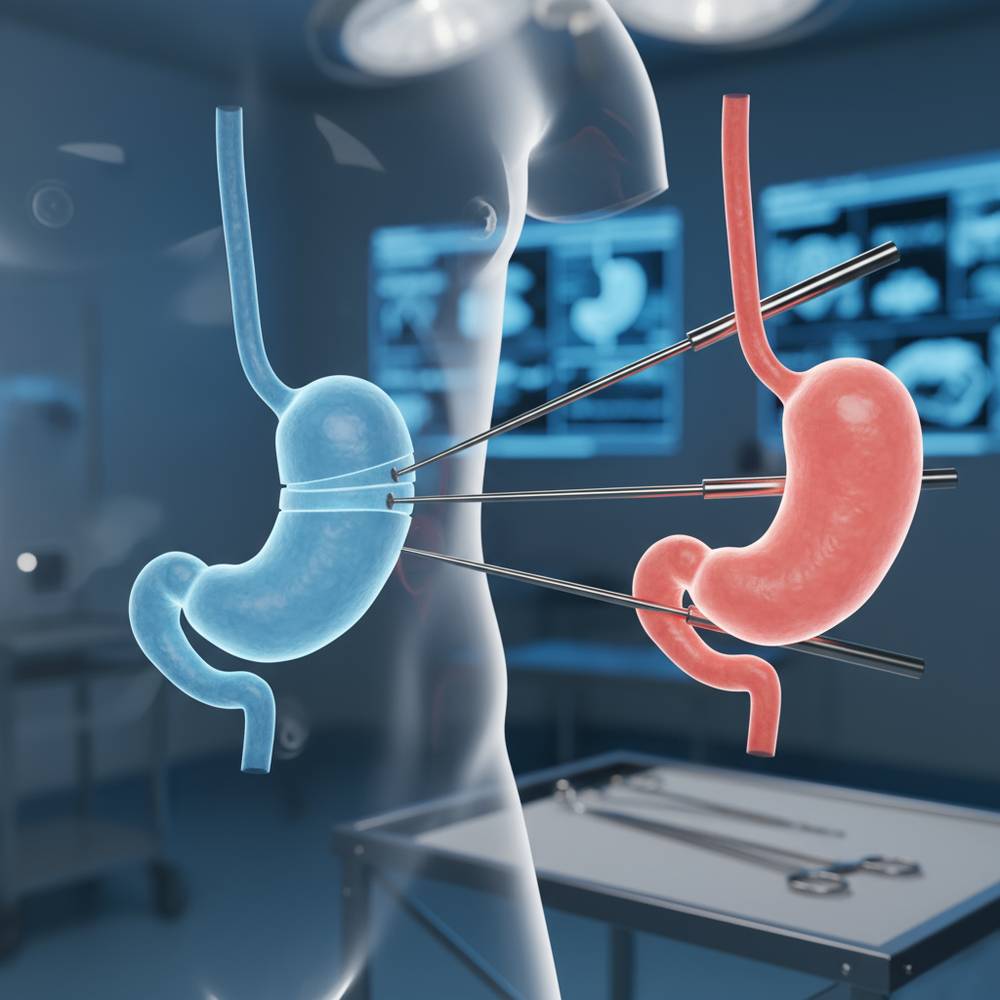
Gastric sleeve laparoscopic surgery is one of the most popular and latest stomach surgeries for weight loss. During this procedure, the surgeon removes a large portion of the stomach, leaving behind a smaller, banana-shaped "sleeve." This restriction limits food intake and affects gut hormones that regulate hunger, leading to substantial and sustainable weight loss. Its effectiveness and relative safety have made it a cornerstone of modern bariatric surgery.
Laparoscopic Gastric Bypass
Laparoscopic gastric bypass is another highly effective weight-loss surgery. It involves creating a small stomach pouch and rerouting the small intestine to this new pouch. This dual-mechanism approach restricts food intake and reduces the absorption of calories and nutrients. It is particularly effective for patients with severe obesity and related conditions like type 2 diabetes, often leading to dramatic improvements in health.
Advanced Gastric Surgery Techniques
Beyond weight loss, advanced gastric surgery techniques are used to treat a variety of conditions, including GERD, hiatal hernias, and stomach cancer. Innovations like single-incision laparoscopic surgery (SILS) and robotic-assisted surgery further enhance precision and minimize invasiveness. These modern stomach surgery techniques allow for incredibly delicate maneuvers, improving safety and outcomes for even the most complex cases.
Read about: Is Sleeve Gastrectomy Suitable for You? Key Indicators to Know
Benefits of Minimally Invasive Stomach Surgery
Faster Healing Stomach Surgery
A key advantage is the faster healing of stomach surgery. Because the incisions are small and the disruption to muscles and tissues is minimal, the body can focus its energy on healing the primary surgical site. Patients are often able to get out of bed and walk within hours of the procedure, which is crucial for preventing postoperative complications and accelerating the overall stomach surgery recovery process.
Reduced Pain After Stomach Surgery
Patients consistently report reduced pain from stomach surgery when performed laparoscopically. The smaller incisions cause less tissue trauma, resulting in significantly less discomfort during the recovery period. This reduces the reliance on opioid painkillers and their potential side effects, allowing for a more comfortable and pleasant healing experience.
Shorter Recovery Time After Stomach Surgery
The combination of less pain and faster healing naturally leads to a shorter recovery time after stomach surgery. Most patients can return home from the hospital in just one to three days and resume non-strenuous activities and office work within one to two weeks. This is a stark contrast to the several weeks of recovery typically required after traditional open surgery.
Read about: Possible Complications After Sleeve Gastrectomy and Prevention
Recovery After Laparoscopic Stomach Surgery
Stomach Surgery Recovery Time
The specific stomach surgery recovery time varies depending on the type of procedure and the individual patient's health. While light activities can be resumed quickly, it's important to avoid heavy lifting and strenuous exercise for about four to six weeks to allow the internal tissues to heal completely. Full recovery and adjustment to new dietary habits can take several months.
Post Stomach Surgery Care
Following post-operative instructions is vital for a smooth recovery. This includes proper wound care, adherence to a prescribed diet that progresses from liquids to solids, taking medications as directed, and attending all follow-up appointments. Proper post stomach surgery care is essential to minimize stomach surgery risks and achieve the best possible stomach surgery results.
Tips for Faster Recovery
To ensure a faster recovery, start walking as soon as you are able. Stay hydrated by sipping fluids throughout the day. Follow your dietary plan strictly to avoid stressing your new stomach. Get plenty of rest to allow your body to heal. Don't hesitate to use pain medication as needed in the first few days to stay comfortable and mobile.

Risks and Complications of Stomach Surgery
Stomach Surgery Complications
While laparoscopic surgery is safe, potential stomach surgery complications exist. These can include bleeding, infection, blood clots, and adverse reactions to anesthesia. Specific risks related to the stomach include leaks from the staple or suture lines, narrowing (stenosis) of the stomach or intestine, and injury to adjacent organs. Though rare, these are serious and require prompt medical attention.
Stomach Surgery Risks
The overall stomach surgery risks are significantly lower with a laparoscopic approach compared to open surgery. The risk of hernias at the incision site is reduced, and there is a lower chance of wound infections. However, patients must be aware of all potential risks and discuss them thoroughly with their surgeon before making a decision.
How to Reduce Surgery Complications
The most effective way to reduce surgery complications is to choose a highly skilled and experienced surgeon who specializes in minimally invasive techniques. Optimizing your health before the procedure by quitting smoking, managing existing medical conditions, and following all pre-operative instructions is also crucial for a successful outcome.
Read about: Standard vs Bottega Sleeve: Which Bariatric Option Suits You?
Comparing Modern Stomach Surgery Options
Best Stomach Surgery Options
The best stomach surgery options depend entirely on the individual patient's condition, health goals, and anatomy. For weight loss, both gastric sleeve and gastric bypass are excellent choices, but one may be more suitable than the other based on factors like the amount of weight to be lost and the presence of conditions like acid reflux or diabetes.
Differences Between Stomach Surgeries
The primary differences between stomach surgeries lie in their mechanism. Gastric sleeve is a purely restrictive procedure, limiting the amount of food you can eat. Gastric bypass is both restrictive and malabsorptive, as it also reduces the number of calories your body absorbs. Your surgeon will explain the pros and cons of each to help you decide.
Choosing the Right Stomach Surgery
Choosing the right stomach surgery is a collaborative decision between you and your surgical team. A thorough evaluation, including medical history, physical examination, and discussion of your lifestyle and expectations, will guide the selection process. The goal is to choose the procedure that offers the highest chance of long-term success with the lowest risk profile for you.
Results of Latest Stomach Surgeries
Stomach Surgery Results
The stomach surgery results from modern laparoscopic procedures are typically excellent. Patients undergoing bariatric surgery can expect to lose a significant percentage of their excess body weight, leading to dramatic improvements in their health and quality of life. For other conditions, the results are equally impressive, with high rates of symptom resolution.
Long-Term Outcomes
Long-term outcomes are very positive, especially for patients who commit to the necessary lifestyle changes. The weight loss achieved through bariatric surgery is often maintained for many years, and the resolution of obesity-related diseases like diabetes and hypertension can be permanent. This underscores the transformative power of these procedures.
Maintaining Results After Surgery
Surgery is a tool, not a magic cure. Maintaining results after surgery requires a lifelong commitment to a healthy diet, regular physical activity, and consistent follow-up with your medical team. Support groups and nutritional counseling are invaluable resources that help patients stay on track and ensure their success endures for a lifetime.
Read about: How to Choose the Best Sleeve Gastrectomy Surgeon
Conclusion
In conclusion, the latest stomach surgeries performed via minimally invasive techniques represent a paradigm shift in patient care. By offering a path to faster healing, reduced pain, and a quicker return to normalcy, these procedures have redefined what is possible in the surgical field. The benefits are not just physical; they restore confidence and open the door to a more active and fulfilling life. These advanced gastric surgery methods are a testament to medical innovation.
Making the decision to undergo surgery is significant, and it is essential to be guided by experts. At Safemedigo, we are committed to providing exceptional care using state-of-the-art technology to deliver the best possible outcomes. If you are considering this life-changing step towards better health, we invite you to discover how our expertise can support your journey. Your new beginning is just a conversation away.
Frequently Asked Questions: Latest Minimally Invasive Stomach Surgeries for Faster Healing
Will I have visible scars from laparoscopic stomach surgery?
Laparoscopic surgery leaves very small scars (typically 3-5 incisions, each about 1-2 cm long) compared to the large scar from open surgery. These scars fade significantly over time and become inconspicuous for most patients.
How much pain is involved after minimally invasive stomach surgery?
Pain is significantly less with laparoscopic surgery. Most discomfort is manageable with simple pain relievers and subsides within the first few days. Patients are generally more comfortable and mobile much sooner.
Am I a good candidate for minimally invasive stomach surgery?
Most patients requiring stomach surgery are candidates for a laparoscopic approach. However, certain factors like extensive prior abdominal surgeries or severe obesity might make open surgery a safer option. Your surgeon will conduct a thorough evaluation to determine the best approach for you.
How long does the surgery take?
The duration of the surgery depends on the specific procedure and its complexity. Generally, most laparoscopic stomach surgeries take between one to three hours to complete.
When can I eat normally again after surgery?
You will follow a phased dietary plan after surgery, starting with clear liquids and gradually progressing to full liquids, pureed foods, and then soft solids over several weeks. Your medical team will provide a detailed timeline for returning to a modified, normal diet.