









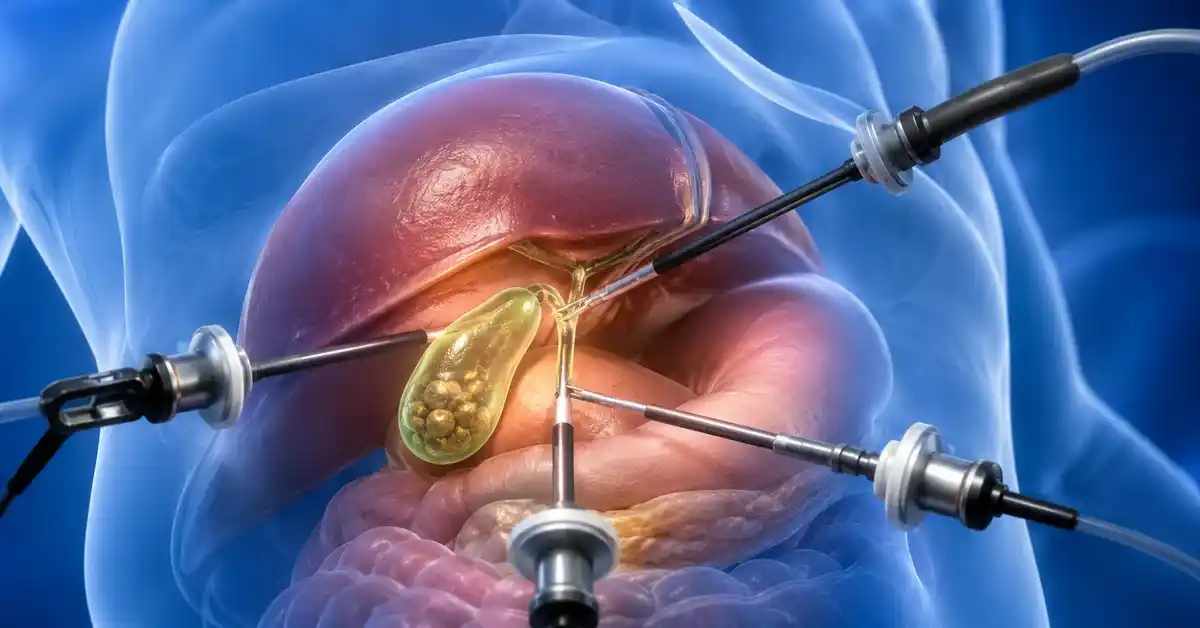
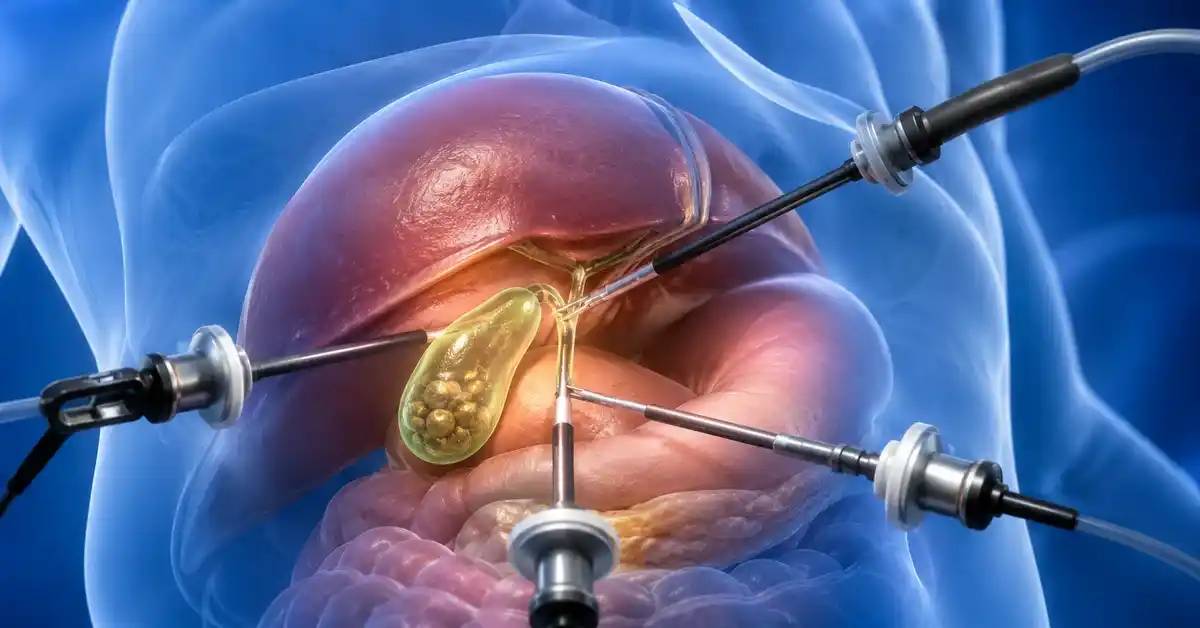
The evolution of surgical techniques has profoundly impacted patient care, with minimally invasive procedures like laparoscopic gallbladder removal standing at the forefront of this medical revolution. This advanced surgical method has become the standard of care for treating symptomatic gallstones and other gallbladder-related conditions, offering a stark contrast to the extensive open surgeries of the past. By utilizing small incisions and a high-definition camera, surgeons can perform this common operation with remarkable precision, leading to significantly reduced patient discomfort, minimal scarring, and a much quicker return to daily life.
While the gallbladder is a relatively small organ, its dysfunction can lead to debilitating pain and severe health complications that disrupt one's quality of life. When conservative treatments fail, gallbladder removal surgery, or cholecystectomy, becomes the definitive solution. Understanding the intricacies of the laparoscopic approach—from the initial preparations to the detailed steps of the procedure and the expectations for the recovery period—is essential for any patient considering this path. A well-informed patient is better equipped to navigate the surgical journey with confidence and a positive outlook.
This in-depth guide is designed to demystify the process of laparoscopic cholecystectomy. We will explore every facet of the experience, ensuring you have a clear and comprehensive understanding of what the surgery entails. At Safemedigo, we are committed to patient education and empowerment. Our goal is to provide you with the detailed, trustworthy information you need to feel secure and prepared, reinforcing the fact that this procedure is not only highly effective but also exceptionally safe when performed by skilled surgical teams.
What Is Laparoscopic Gallbladder Removal
Laparoscopic gallbladder removal, medically termed laparoscopic cholecystectomy, is a minimally invasive surgical technique designed to extract the gallbladder. It has largely replaced traditional open surgery due to its significant patient benefits and high success rate. The procedure is the definitive treatment for a variety of gallbladder pathologies, most notably the presence of painful gallstones.
Definition of Laparoscopic Gallbladder Removal
The procedure is performed under general anesthesia, meaning the patient is completely asleep. The core principle of this technique is to access the abdominal cavity without a large incision. Instead, the surgeon makes a few small punctures, typically four, in the abdomen. A laparoscope, which is a thin tube equipped with a light and a high-resolution camera, is inserted through one of these openings, usually at the navel. This provides a magnified, illuminated view of the internal organs on a video monitor. Specialized, long-handled surgical instruments are then introduced through the other punctures to manipulate, dissect, and ultimately remove the gallbladder. The minimal disruption to muscle and tissue is what defines this procedure and leads to its favorable outcomes.
When Laparoscopic Gallbladder Removal Is Recommended
A doctor will recommend gallbladder removal surgery when the organ is causing persistent and significant health problems. The primary indications include:
- Symptomatic Gallstones (Cholelithiasis): This is the most frequent reason for the surgery. When gallstones cause recurrent episodes of intense pain (biliary colic), often after fatty meals, removal is advised.
- Gallbladder Inflammation (Cholecystitis): This can be acute, caused by a stone blocking the gallbladder's exit, leading to severe pain, fever, and potential infection. It can also be chronic, resulting from repeated mild attacks that damage the gallbladder wall over time.
- Gallstone-Induced Pancreatitis: A serious condition where a gallstone travels out of the gallbladder and blocks the duct draining the pancreas, causing severe inflammation of the pancreas itself.
- Biliary Dyskinesia: A functional disorder where the gallbladder does not empty bile correctly, leading to chronic pain and digestive issues, even in the absence of stones.
- Large Gallbladder Polyps: While most polyps are benign, those larger than 1 centimeter are often removed as a precaution due to a small but significant risk of malignancy.
Read about: Diagnosing Fatty Liver Disease and Modern Treatment Options
Steps of Laparoscopic Cholecystectomy
The surgical process is a meticulously orchestrated event, ensuring patient safety and optimal outcomes from the pre-operative phase through to the completion of the surgery.
Preparing the Patient Before Gallbladder Removal Surgery
Preparation is key to a smooth procedure. This phase involves a thorough medical evaluation, including blood tests, an ECG, and possibly a chest X-ray to confirm the patient is fit for anesthesia. The surgeon will review the patient's medical history and all current medications. It is crucial to discuss any blood-thinning drugs (like aspirin, clopidogrel, or warfarin), as these will likely need to be stopped several days prior to the surgery to minimize bleeding risks. The patient will be instructed to fast—consuming no food or drink—for at least eight hours before the scheduled surgery time to prevent complications during anesthesia.
Steps of Laparoscopic Cholecystectomy in Detail
Once the patient is under general anesthesia in the operating room, the procedure unfolds through a series of precise steps:
- Creating a Pneumoperitoneum: The surgeon begins by making a small incision near the belly button. A Veress needle or a small port is inserted to gently inflate the abdomen with medical-grade carbon dioxide gas. This creates a dome-like space, lifting the abdominal wall away from the organs and providing the surgeon with a clear, safe area in which to work.
- Placing the Laparoscope and Ports: The laparoscope is inserted through the umbilical port. The surgical team can now visualize the gallbladder, liver, stomach, and intestines on a large monitor. Three other small incisions are made in the upper abdomen to serve as entry points (ports) for the surgical instruments.
- Identifying and Dissecting Key Structures: The surgeon uses graspers to gently retract the liver and expose the gallbladder. The next critical step is the careful dissection and identification of the cystic duct (which connects the gallbladder to the main bile duct) and the cystic artery (which supplies blood to the gallbladder). This is the most delicate part of the operation.
- Clipping and Cutting: Once these two structures are unequivocally identified, the surgeon applies several small, permanent titanium clips to both the duct and the artery before dividing them. This securely seals them off to prevent bile leakage or bleeding.
- Detaching and Removing the Gallbladder: The gallbladder is then carefully dissected and detached from its bed on the underside of the liver. It is placed into a sterile retrieval bag, which is then collapsed and pulled out through the umbilical incision, which may be slightly widened for this purpose.
- Final Inspection and Closure: The surgeon performs a final inspection of the surgical area to ensure there is no bleeding or bile leakage. The carbon dioxide gas is then released, and the small incisions are closed with dissolvable stitches, skin glue, or sterile strips.
How Long Does Gallbladder Removal Surgery Take
A routine laparoscopic cholecystectomy is typically a quick procedure, lasting approximately 60 to 90 minutes. The time can extend if the gallbladder is severely inflamed, scarred from previous infections, or if the anatomy is unusual. Following the surgery, the patient is moved to a post-anesthesia care unit (PACU) for monitoring as they recover from the effects of the anesthesia.
Read about: Preventive Colonoscopy for Early Detection of Bowel Cancer
Recovery After Gallbladder Removal
The recovery phase after laparoscopic surgery is notably faster and more comfortable than after open surgery, but it still requires careful management.
Gallbladder Removal Recovery Time
Most patients are discharged from the hospital on the same day or after a single overnight stay. The initial recovery at home focuses on rest and pain management. While full internal healing takes 4-6 weeks, most people feel significantly better within a few days. The gallbladder removal recovery time varies, but many patients are able to resume light activities and desk jobs within one week.
When to Return to Normal Activities After Gallbladder Surgery
The return to a normal routine should be gradual. Patients are encouraged to walk around the house on the first day to promote circulation and help dissipate the surgical gas. Driving can typically be resumed within a week, provided the patient is no longer taking narcotic pain medication and can perform an emergency stop without pain. Strenuous exercise, heavy lifting (over 10-15 pounds), and physically demanding jobs should be avoided for at least 4 to 6 weeks.
Laparoscopic Surgery Incisions and Healing
The small laparoscopic surgery incisions heal quickly and with minimal scarring. They are usually covered with small dressings or skin glue. Patients can typically shower the day after surgery but should avoid soaking the incisions in a bath or pool for about two weeks. The stitches are often dissolvable and do not require removal.
Read about: Latest Minimally Invasive Stomach Surgeries for Faster Healing
Postoperative Care After Gallbladder Surgery
Proper postoperative care is vital for a smooth recovery and preventing any setbacks.
Diet After Gallbladder Removal
Without a gallbladder to store and concentrate bile, the liver releases a steady, less concentrated trickle of bile directly into the intestine. This can make digesting large, fatty meals difficult initially. The recommended diet after gallbladder removal starts with clear liquids, progressing to bland, low-fat foods like toast, rice, and chicken. It's best to reintroduce fats slowly and in small amounts. Most people find their digestion returns to normal within a month.
Recovery Tips After Gallbladder Removal
To facilitate a swift and comfortable recovery, consider these tips:
- Stay Hydrated: Drink plenty of water to prevent dehydration and constipation.
- Manage Pain: Use prescribed pain medication as directed to stay comfortable, which makes it easier to move around.
- Walk Frequently: Short, frequent walks help prevent blood clots and relieve gas pain.
- Listen to Your Body: Rest when you feel tired and don't overexert yourself.
- Follow Incision Care Instructions: Keep the incision sites clean and dry to prevent infection.
Avoiding Complications After Surgery
Vigilance is important. Monitor your incisions for signs of infection, such as increasing redness, swelling, warmth, or drainage. Be aware of the overall symptoms after gallbladder removal and report anything unusual to your surgeon promptly.

Complications of Gallbladder Removal
Laparoscopic cholecystectomy is a very safe procedure, but like all surgeries, it carries a small risk of complications.
Risks of Laparoscopic Gallbladder Surgery
The potential risks of laparoscopic gallbladder surgery, while uncommon, include:
- Bile Duct Injury: The most serious risk, where the main bile duct is accidentally damaged. This may require a further, more complex operation to repair.
- Bile Leak: Bile may leak from the clipped cystic duct, causing pain and infection.
- Bleeding: Internal bleeding from a blood vessel.
- Infection: Infection at an incision site or inside the abdomen.
- Injury to Nearby Organs: The intestine or stomach could be accidentally perforated.
- Post-cholecystectomy Syndrome (PCS): A small number of patients experience ongoing symptoms like abdominal pain, bloating, or diarrhea.
When to Call Your Doctor After Gallbladder Removal
It is crucial to seek immediate medical attention if you develop any of the following warning signs:
- Fever over 101°F (38.3°C).
- Severe or worsening abdominal pain.
- Jaundice (yellowing of the skin or eyes).
- Persistent nausea or inability to keep fluids down.
- Signs of wound infection (pus, spreading redness).
- Shortness of breath or chest pain.
Comparing Laparoscopic vs. Open Gallbladder Surgery
The advantages of the laparoscopic approach are overwhelming. Open surgery requires a large 5- to 7-inch incision, significant muscle cutting, a hospital stay of several days, and a prolonged recovery period of 6-8 weeks. The risks of hernias and wound infections are also much higher. A surgeon may need to convert to an open procedure (in about 5% of cases) if extensive scarring or inflammation makes the laparoscopic view unsafe.
Read about: Fatty Liver Diagnosis: Early Tests and Treatment Tips
Details About Gallbladder Removal Surgery
Patients often have fundamental questions about life after their gallbladder is removed.
Can You Live Without a Gallbladder?
Absolutely. The gallbladder is a non-essential organ. Its function is to store and concentrate bile, but the liver, which produces the bile, is the truly vital organ. After removal, the liver continues its production, and the body adapts to the new, continuous flow of bile into the digestive system.
Do Gallstones Return After Removal?
Since the gallbladder is the organ where gallstones form, its removal provides a permanent solution to gallbladder stones. It is technically possible, though very rare, for new stones to form within the bile ducts themselves, a separate condition known as primary choledocholithiasis.
Does Diet Change After Gallbladder Removal?
For most people, there are no long-term dietary restrictions. The initial low-fat diet is temporary. After a few weeks of adjustment, the vast majority of patients can resume their normal diet without any gallbladder removal side effects related to food.
Read about: Colonoscopy Screening: Turkey vs Germany
Patient Experience After Surgery
Knowing what to expect symptom-wise can ease anxiety during the recovery period.
Pain After Gallbladder Removal
Post-operative pain is expected but is generally mild to moderate. It is typically felt at the incision sites and as a general abdominal soreness. A unique type of pain is often felt in the right shoulder; this is referred pain from the diaphragm being irritated by the CO2 gas and usually resolves within 24-48 hours.
Symptoms After Gallbladder Removal
Besides soreness, common temporary symptoms after gallbladder removal include bloating, gas, and changes in bowel habits. Some patients experience looser, more frequent stools for a few weeks. This occurs because the continuous trickle of bile can act as a laxative. This symptom usually resolves as the body adapts.
Returning to Daily Routine After Surgery
The return to normalcy is progressive. Patients should focus on gradual increases in activity. Most feel ready to take on their usual daily tasks within a week or two. The key is to avoid fatigue and listen to the body's signals for rest, ensuring a steady and complete recovery.
Read about: Liver Removal Laparoscopy: Turkey vs USA
Conclusion
In summary, laparoscopic gallbladder removal is a testament to modern surgical innovation, offering a highly effective and minimally traumatic solution for those suffering from gallbladder disease. This procedure has fundamentally changed the patient experience, replacing a major operation with a manageable one that prioritizes comfort, aesthetics, and a rapid return to function. The high safety profile and consistent results have solidified its status as the gold standard treatment worldwide.
Embarking on a surgical journey requires trust and understanding. By arming yourself with detailed knowledge about the laparoscopic cholecystectomy procedure, from the first consultation to the final stages of recovery, you become an active participant in your own healthcare. This empowerment is crucial for alleviating anxiety and ensuring you are fully prepared for the road to recovery. Adherence to your surgical team's guidance is paramount for a seamless and successful outcome.
If you are grappling with the painful and disruptive symptoms of gallstones, we encourage you to explore this definitive treatment option. Take the proactive step toward reclaiming your quality of life. Contact the expert surgical team at Safemedigo via WhatsApp today to arrange a personalized consultation. Let us guide you back to health and well-being with the most advanced and patient-friendly care available.
Frequently Asked Questions: Laparoscopic Gallbladder Removal: Procedure Recovery
Will I have to eat a special diet forever?
No, long-term dietary restrictions are not necessary for most people. A temporary low-fat diet is recommended for the first few weeks to allow your digestive system to adjust to the continuous flow of bile.
When is it safe to take a bath or swim?
While you can usually shower 24-48 hours after surgery, you should avoid submerging your incisions. This means no baths, hot tubs, or swimming for at least two weeks, or until your surgeon confirms the wounds are fully healed.
Is weight gain a common side effect of gallbladder removal?
There is no direct causal link. Some theories suggest that the ability to digest fats more comfortably might lead some individuals to eat more fatty foods than before, potentially causing weight gain if not balanced with a healthy lifestyle.
What causes the shoulder pain after this surgery?
This is referred pain. The carbon dioxide gas used to inflate the abdomen can irritate the phrenic nerve, which is located near the diaphragm. This nerve shares a pathway with nerves in the shoulder, so the brain interprets the irritation as shoulder pain. It is temporary and resolves as the gas is absorbed.
Can I still get gallstones after my gallbladder is removed?
You cannot get gallstones in the gallbladder because the organ is gone. However, in rare instances, stones can form directly within the bile ducts. This is a different and much less common condition.
.png&w=1920&q=70)