









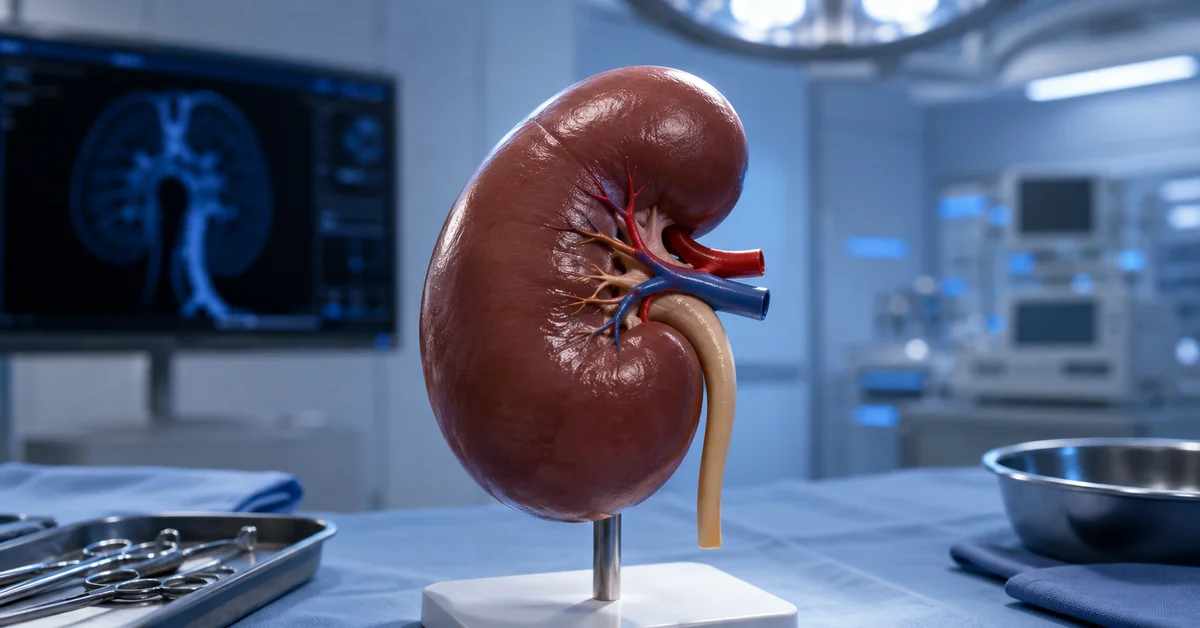
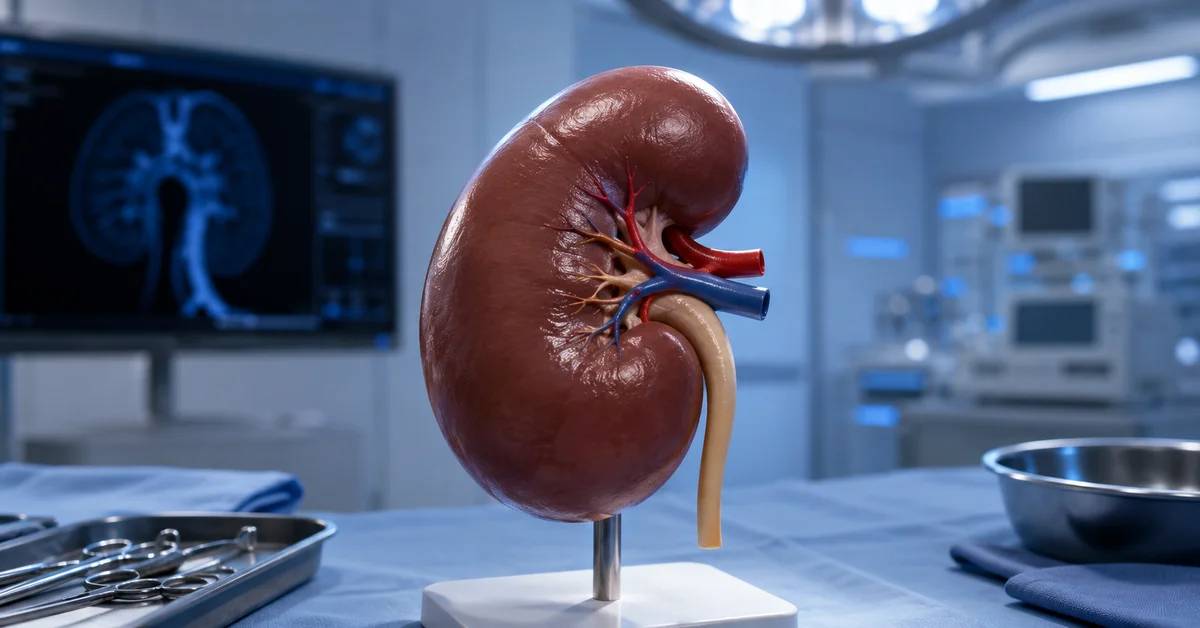
A kidney transplant is one of the most important treatment options for patients with advanced kidney failure, especially when the kidneys can no longer filter waste, balance fluids, or support the body’s normal needs effectively. While dialysis can help many patients survive and manage kidney failure, a successful kidney transplant may offer better quality of life, more freedom from dialysis sessions, and gradual improvement in daily activity for suitable patients.
However, a kidney transplant does not begin on the day of surgery. The most important part of the journey often happens before the operation. This includes pre-transplant evaluation of the kidney, medical tests, donor assessment, compatibility checks, preparation of the patient’s general health, discussion of kidney transplant requirements, and planning for post-transplant medications and long-term follow-up.
At Safemedigo, kidney transplant cases are handled as a structured medical journey. The process begins with collecting medical reports, understanding the cause of kidney failure, checking whether a living donor kidney transplant may be possible, reviewing tests before a kidney transplant, and explaining the kidney transplant procedure clearly to the patient and family. This article explains kidney transplant preparation, tests, eligibility, donor options, dialysis vs transplant, cost, success rate, waiting list, recovery, risks, and life after a kidney transplant.
Kidney Transplant Preparation Steps
Kidney transplant preparation steps are designed to confirm whether the patient is medically suitable for surgery and able to tolerate post-transplant medications. These steps also help doctors choose the safest transplant option, whether from a living donor or through a waiting list for a kidney transplant.
The preparation process usually starts with a full review of the patient’s kidney disease, the cause of kidney failure, current dialysis status, and other medical conditions such as diabetes, high blood pressure, heart disease, infections, or previous surgeries. If a living donor is available, the donor is evaluated separately to confirm that donation is safe and medically appropriate.
This stage is as important as the surgery itself. Even if a patient needs a transplant, the operation may be delayed if there is an active infection, unstable heart condition, uncontrolled diabetes, untreated cancer, or another medical issue that needs management before surgery. The goal is to reach the transplant day in the safest possible condition.
kidney transplant preparation
Kidney transplant preparation includes more than setting a surgery date. It involves improving the patient’s health before the operation, organizing tests, reviewing medications, planning dialysis if needed, and making sure the patient understands the treatment journey after transplant.
Important preparation steps may include:
- Confirming advanced kidney failure.
- Reviewing the cause of kidney disease.
- Evaluating diabetes and blood pressure.
- Checking heart and lung health.
- Treating active infections before surgery.
- Reviewing current medications.
- Completing compatibility tests.
- Identifying a possible living donor.
- Evaluating the donor independently.
- Discussing dialysis timing before surgery.
- Understanding post-transplant medications.
- Preparing family or caregiver support.
- Planning accommodation and follow-up if traveling.
- Learning warning signs after transplant.
Good preparation can reduce surprises, support safer surgery, and help the patient understand what to expect before and after the transplant.
pre-transplant evaluation of the kidney
Pre-transplant evaluation of the kidney is a complete medical assessment that helps determine whether the patient is ready for kidney transplantation. It is not only about measuring kidney function; it also examines the rest of the body to make sure surgery and long-term immune-suppressing treatment can be managed safely.
This evaluation may include kidney function tests, blood tests, infection screening, heart evaluation, chest assessment, imaging, cancer screening when needed, and immune compatibility testing. Doctors also review dialysis history, urine output, previous infections, blood transfusions, previous transplants, and any conditions that may affect transplant success.
If a living donor is involved, the donor’s kidney function, blood pressure, general health, kidney anatomy, and long-term safety are evaluated separately. A suitable donor must be healthy enough to live safely with one kidney after donation.
The pre-transplant evaluation helps answer key questions: Is the patient ready? Is the donor suitable? Is the risk acceptable? Is additional treatment needed before surgery?
Tests Before Kidney Transplant
Tests before kidney transplant are the foundation of safe planning. They help confirm whether the patient is suitable for transplant, whether a donor is compatible, whether there are antibodies that may increase rejection risk, and whether any hidden medical problem should be treated before surgery.
The exact tests vary depending on the patient’s age, kidney failure cause, dialysis status, presence of a living donor, previous medical history, and associated diseases. Some patients may need additional heart, infection, vascular, or cancer-related assessments depending on their risk factors.
Patients should not view the number of tests as unnecessary delay. Each test has a purpose. A blood test may identify infection risk, an imaging test may guide the surgical plan, and compatibility testing may reduce the chance of rejection. Proper testing protects both the recipient and the donor.
tests before kidney transplant
Tests before kidney transplant usually include general health tests and transplant-specific compatibility tests. These help the medical team understand whether the patient is ready for surgery and whether the donor kidney is a safe match.
Common tests may include:
- Blood type.
- Kidney function tests.
- Liver function tests.
- Complete blood count.
- Electrolytes.
- Blood clotting tests.
- Blood sugar tests.
- Infection screening.
- Immune antibody testing.
- Tissue typing.
- Crossmatch test between donor and recipient.
- Urine tests when applicable.
- Viral screening.
- Chronic infection evaluation.
- Pre-anesthesia blood tests.
- Medication review.
If there is a living donor, the donor also needs detailed tests to confirm that both kidneys are healthy and that living with one kidney is expected to be safe.
kidney transplant requirements
Kidney transplant requirements include medical, surgical, immunological, and practical conditions. The patient must have advanced kidney failure, be expected to benefit from transplant, and be able to follow long-term treatment after surgery.
General requirements may include:
- Advanced or end-stage kidney failure.
- Acceptable surgical risk.
- No uncontrolled active infection.
- No untreated active cancer.
- Stable heart condition as much as possible.
- Controlled diabetes and blood pressure when possible.
- Ability to take post-transplant medications correctly.
- Ability to attend regular follow-up visits.
- Suitable immune compatibility with the donor if available.
- Psychological and social readiness.
- Understanding of risks and benefits.
- Preparedness for long-term lifestyle changes.
A patient may need additional treatment before transplant if a medical issue is found during evaluation. This does not always mean transplant is impossible; it may mean that preparation is needed first.
Eligibility for Kidney Transplant
Eligibility for kidney transplant depends on whether the patient has advanced kidney failure and whether the expected benefits of transplant are greater than the risks. Not every patient with kidney disease needs a transplant immediately, and not every patient on dialysis is automatically ready for surgery.
Doctors evaluate the stage of kidney failure, symptoms, dialysis needs, general health, heart condition, infection risk, and the patient’s ability to take medications consistently. The transplant team also checks whether there are any conditions that should be treated before surgery.
Early evaluation is important. Waiting until the patient becomes extremely weak may increase surgical risk. Starting the evaluation early gives more time to complete tests, consider living donor options, and plan the transplant safely.
When needed for a kidney transplant
A kidney transplant may be needed when kidney failure reaches an advanced or end-stage level and the kidneys can no longer support the body adequately. Some patients are evaluated before dialysis begins, while others are evaluated after starting regular dialysis.
A transplant evaluation may be needed in cases such as:
- End-stage kidney failure.
- Very low and persistent kidney function.
- Regular dialysis requirement.
- Progressive kidney failure close to dialysis.
- Repeated complications from kidney failure.
- Difficulty controlling fluid overload.
- Difficulty controlling potassium or other electrolytes.
- Severe fatigue related to kidney failure.
- Poor quality of life due to kidney disease.
- High blood pressure related to kidney failure.
- Anemia associated with kidney disease.
- Long-term dialysis not being the best option for the patient.
The decision should be based on medical evaluation, not only symptoms. Some patients may feel relatively stable but still need transplant planning.
kidney failure treatment
Kidney failure treatment may include medications, blood pressure control, diabetes management, dietary changes, dialysis, and eventually kidney transplant when appropriate. Treatment depends on the stage of disease and the patient’s overall condition.
Dialysis helps remove waste and excess fluid from the body when the kidneys can no longer do so. It can be life-saving and necessary for many patients. However, it does not fully replace all kidney functions, and it requires repeated sessions or ongoing treatment.
A kidney transplant can provide a functioning kidney that performs many natural kidney functions, but it also requires surgery and lifelong medication to prevent rejection. Therefore, the choice between dialysis and transplant depends on eligibility, donor availability, risk profile, and patient goals.
The best kidney failure treatment plan is individualized. Some patients continue dialysis while waiting for transplant, while others may receive a transplant before long-term dialysis if evaluation and donor availability allow.

Donor Options
Donor options for kidney transplant usually include a living donor kidney transplant or a kidney from a deceased donor through a waiting list. Each option has its own preparation process, timing, advantages, and limitations.
A living donor may be a medically suitable person who chooses to donate one kidney. This option can allow better planning and may reduce waiting time. However, donor safety is the top priority. The donor must be evaluated independently and must understand the risks and recovery process.
If no living donor is available, the patient may be evaluated for the waiting list for a kidney transplant according to the medical system and regulations available. During the waiting period, dialysis may continue, and the patient’s health must be monitored regularly.
living donor kidney transplant
A living donor kidney transplant means receiving a kidney from a living person who is medically suitable and voluntarily agrees to donate. The donor must be healthy enough to undergo surgery and live with one kidney afterward.
Living donor evaluation may include:
- Blood type.
- Kidney function tests.
- Urine tests.
- Blood pressure assessment.
- Diabetes screening.
- Heart evaluation.
- Infection screening.
- Kidney imaging.
- Blood vessel imaging.
- Weight and general health assessment.
- Psychological and social evaluation.
- Family and medical history review.
- Confirmation of voluntary consent.
- Clear explanation of donation risks.
A potential donor may be declined if they have uncontrolled high blood pressure, diabetes, kidney disease, weak kidney function, high surgical risk, or any condition that may make donation unsafe.
dialysis vs transplant
Dialysis vs transplant is an important discussion for patients with advanced kidney failure. Dialysis can keep patients alive by removing waste and excess fluid, but it requires ongoing sessions or continuous treatment and may affect lifestyle, energy, and daily planning.
Kidney transplant may offer better freedom from dialysis and improved quality of life for suitable patients, but it requires surgery, immune-suppressing medications, and lifelong follow-up. It is not suitable for everyone, and the patient must be medically evaluated before deciding.
Key differences include:
- Dialysis is ongoing treatment; transplant is surgery followed by long-term medication.
- Dialysis does not require donor surgery; living donor transplant does.
- Transplant may improve lifestyle flexibility, but it carries surgical and rejection risks.
- Dialysis can be started urgently; transplant needs evaluation and planning.
- Transplant requires strict medication adherence.
- Dialysis may continue while waiting for transplant.
The best option depends on the patient’s medical condition, donor availability, risks, and long-term goals.
Cost and Success Rate
Kidney transplant cost varies depending on the country, hospital, type of transplant, donor evaluation, number of tests, hospital stay, medications, complications, and follow-up. There is no single cost that applies to all patients. Some patients need longer preparation or treatment of other conditions before surgery, which may also affect cost.
Kidney transplant success rate depends on donor compatibility, the patient’s condition before surgery, surgical experience, medication adherence, early detection of complications, and long-term follow-up. Success does not only mean that the kidney works immediately after surgery. It also means stable kidney function, lower rejection risk, fewer infections, and improved life after transplant.
Patients should not choose based on price alone. Kidney transplant requires precise follow-up and medication management. Poor follow-up can affect the outcome even if the surgery itself is performed successfully.
kidney transplant cost
Kidney transplant cost may include several elements before, during, and after surgery. Patients should ask exactly what is included in the medical offer and what may be charged separately.
The cost may include:
- Patient consultation.
- Donor evaluation if available.
- Blood and urine tests.
- Compatibility testing.
- Kidney and vessel imaging.
- Heart and chest evaluation.
- Surgery.
- Anesthesia.
- Hospital stay.
- Post-transplant medications.
- Blood tests after transplant.
- Kidney function monitoring.
- Treatment of complications if they occur.
- Translation and coordination services.
- Accommodation for patient and companion when traveling.
Patients should ask about medication costs, number of follow-up visits, additional testing, extended hospital stay, and what happens if complications occur.
kidney transplant success rate
Kidney transplant success rate varies from one patient to another. Many patients achieve excellent results for many years, while others may face complications related to rejection, infection, medication side effects, or underlying health conditions.
Factors that support transplant success include:
- Good donor-recipient compatibility.
- Reassuring crossmatch results.
- Stable health before surgery.
- Controlled diabetes and blood pressure.
- No active infection.
- Experienced surgical and medical team.
- Close kidney function monitoring after surgery.
- Correct use of anti-rejection medication.
- Regular follow-up visits.
- Fluid intake according to medical advice.
- Avoiding medicines that may harm the kidney.
- Early reporting of abnormal symptoms.
True success means that the transplanted kidney works steadily and the patient’s lifestyle improves with safe long-term medical follow-up.
Waiting List and Hospitals
The waiting list for a kidney transplant is used when no suitable living donor is available or when deceased donor transplant is the available option. Waiting time varies depending on country, medical system, blood type, immune compatibility, organ availability, and patient status.
Being placed on the waiting list requires a complete evaluation to confirm that the patient is suitable for transplant. Some tests may need to be updated during the waiting period because health conditions can change. If infection or another serious medical issue appears, transplant readiness may be temporarily paused until treatment is completed.
Even while waiting, the patient should protect their health as much as possible. Dialysis attendance, medication adherence, blood pressure control, diabetes control, nutrition, and regular follow-up all affect readiness when a kidney becomes available.
waiting list kidney transplant
The waiting list kidney transplant process is a system used to match eligible patients with available deceased donor kidneys according to medical and organizational criteria. Registration on the waiting list does not mean immediate surgery. Waiting time may vary widely.
Factors that may affect waiting time include:
- Blood type.
- Tissue compatibility.
- Antibody levels.
- Time already spent waiting.
- Patient medical status.
- Organ availability.
- Country or center allocation system.
- Body size and other medical factors.
- Readiness for surgery when a kidney becomes available.
During the waiting period, the patient should remain reachable, keep test results updated, attend dialysis sessions, and inform the medical team about hospital admissions, infections, or health changes.
best kidney transplant hospitals
The best kidney transplant hospitals offer a complete transplant program, not only a surgical operation. A strong program includes kidney specialists, transplant surgeons, anesthesia, intensive care, immunology, pharmacy, nutrition, nursing, and long-term follow-up.
Important hospital criteria include:
- Experience in kidney transplantation.
- Clear patient and donor evaluation program.
- Accurate compatibility testing.
- Intensive care availability when needed.
- Strong post-transplant follow-up.
- Experience with anti-rejection medications.
- Transparent cost explanation.
- Ability to manage complications.
- Support for patient and companion.
- Long-term follow-up planning.
- Clear explanation of risks and expectations.
- Attention to living donor safety.
The right hospital focuses on the whole journey before, during, and after the transplant.
Recovery and Risks
Kidney transplant recovery begins within the first hours after surgery. The medical team monitors urine output, kidney function, blood pressure, fluid balance, pain, wound healing, infection risk, and anti-rejection medication levels. In some cases, the transplanted kidney begins working quickly. In others, kidney function may take more time to improve.
Kidney transplant risks include surgical risks, rejection, infection, medication side effects, blood clots, bleeding, urine leakage, narrowing of blood vessels, and possible delayed kidney function. These risks do not mean that transplant is not appropriate, but they must be understood and monitored.
Life after a kidney transplant can improve significantly, but the patient must protect the transplanted kidney. This includes taking medications daily, attending blood tests, avoiding harmful medications, managing blood pressure and diabetes, preventing infection, and reporting warning symptoms early.
kidney transplant recovery
Kidney transplant recovery may take weeks to months depending on the patient’s condition, donor type, complications, age, and health before surgery. In the first days, the focus is on making sure the transplanted kidney is working, adjusting fluids, monitoring blood tests, and preventing rejection and infection.
Recovery may include:
- Hospital monitoring after surgery.
- Measuring urine output.
- Frequent creatinine and electrolyte tests.
- Adjustment of anti-rejection medication.
- Blood pressure monitoring.
- Wound care.
- Infection prevention.
- Gradual movement.
- Patient education about medications.
- Frequent follow-up after discharge.
- Gradual return to activity.
- Long-term kidney function monitoring.
Patients should not rush full activity in the early weeks. Movement is helpful, but it should follow medical instructions.
kidney transplant risks
Kidney transplant risks may appear early or later after surgery. Some risks are related to the operation itself, while others are related to immune suppression and long-term medication.
Possible risks include:
- Rejection of the transplanted kidney.
- Infection.
- Bleeding.
- Blood clots.
- Urine leakage.
- Narrowing of blood vessels.
- Delayed kidney function.
- Side effects of anti-rejection drugs.
- High blood pressure.
- Diabetes or blood sugar changes.
- Weight gain.
- Wound problems.
- Need for additional procedures.
- Reduced kidney function over time.
Warning signs that should be reported include fever, pain over the transplanted kidney, reduced urine output, swelling, sudden weight gain, high blood pressure, wound discharge, or abnormal test results. Early communication helps protect the transplanted kidney.
Conclusion
Kidney transplant is a journey that begins well before surgery. Pre-surgery steps include medical evaluation, kidney transplant preparation, tests before a kidney transplant, compatibility testing, donor assessment, kidney transplant requirements, cost planning, success rate discussion, waiting list review, and recovery planning. These steps help make the surgery safer and improve the chance of stable kidney function after transplant.
A living donor kidney transplant can be an important option for some patients, but it requires careful evaluation to protect both donor and recipient. If no living donor is available, the waiting list for a kidney transplant may be discussed depending on the medical system and available options. In all cases, success depends not only on surgery, but also on post-transplant medications, regular blood tests, follow-up, and lifestyle changes.
Frequently Asked Questions: Kidney Transplant Pre-Surgery Steps
When is there a need for a kidney transplant?
A kidney transplant may be needed when kidney failure reaches an advanced or end-stage level, when dialysis is required or close to being needed, or when kidney disease severely affects quality of life. A full medical evaluation is required before deciding.
What tests are needed before kidney transplant?
Tests may include blood type, kidney and liver function, complete blood count, infection screening, immune antibody tests, tissue typing, crossmatch testing, heart and chest evaluation, imaging, and donor testing if a living donor is available.
What are the main kidney transplant requirements?
Requirements may include advanced kidney failure, acceptable surgical risk, no uncontrolled active infection, no untreated active cancer, stable heart condition, ability to take medications, regular follow-up, and suitable donor compatibility if available.
Is living donor kidney transplant possible?
Yes, a living donor kidney transplant is possible if the donor is medically and psychologically suitable, has good kidney function, and can safely live with one kidney. The decision must be voluntary and made without pressure.
What is life like after a kidney transplant?
Life after a kidney transplant may improve significantly, but the patient must take anti-rejection medications daily, complete regular blood tests, monitor blood pressure and diabetes, avoid kidney-harming drugs, and attend follow-up visits.