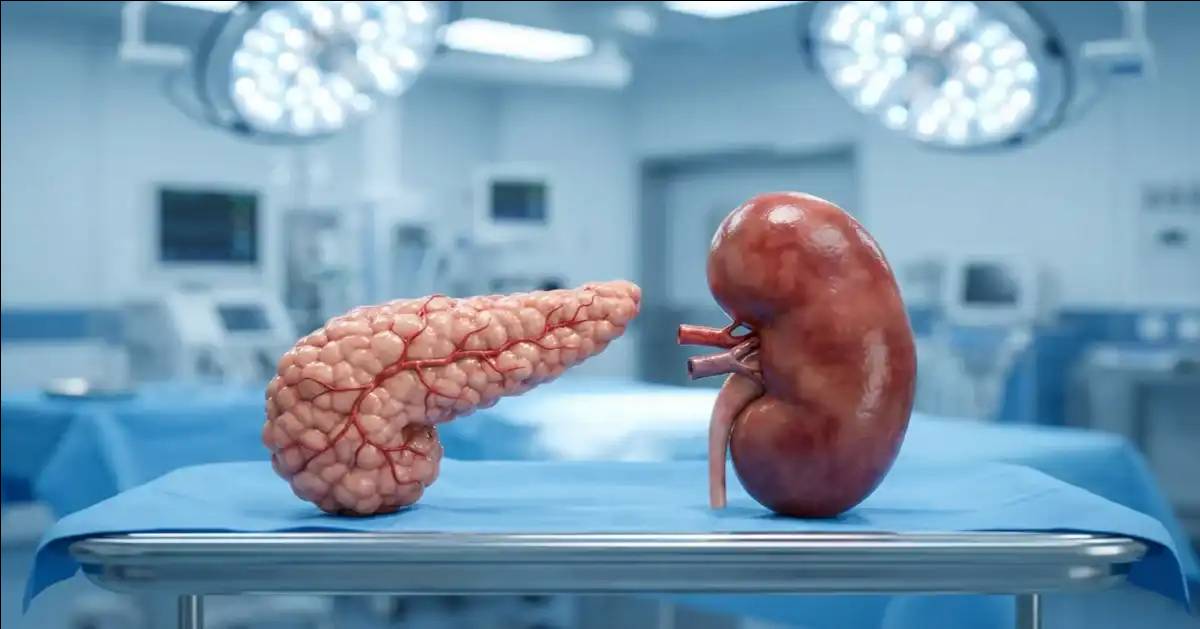






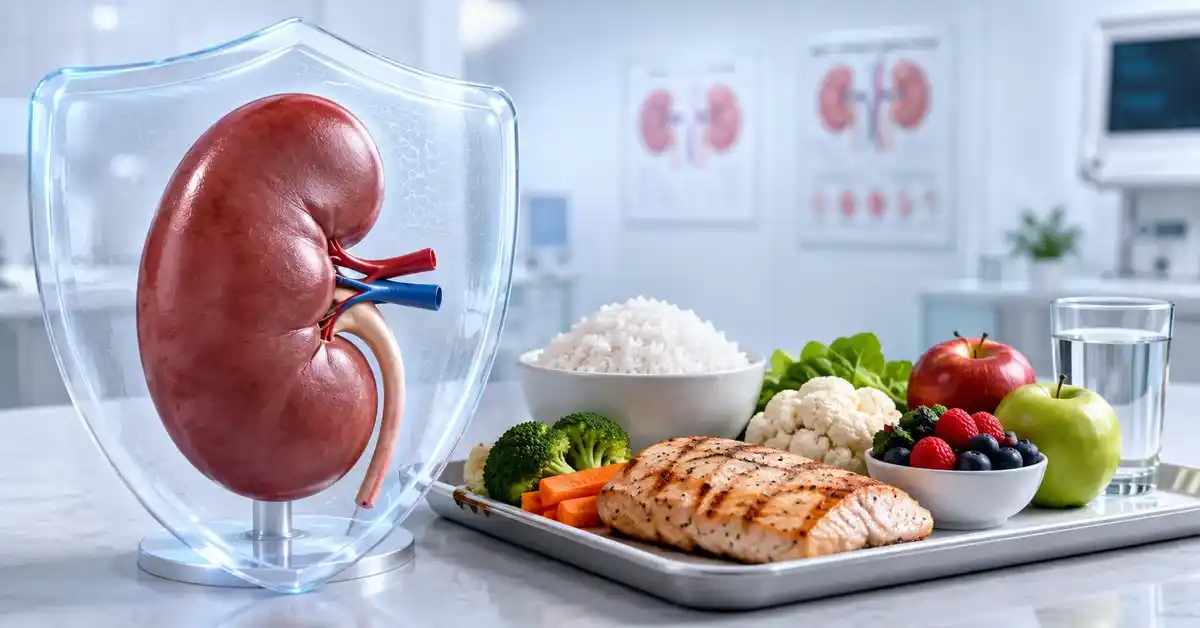

Dietary needs change considerably after a successful kidney transplant. Many restrictions used during dialysis, particularly those involving potassium, phosphorus, and fluid, may be relaxed when the transplanted kidney functions well. At the same time, new priorities become important, including food safety, sodium control, healthy weight management, blood glucose control, and avoiding foods that interact with immunosuppressive medications.
At Safemedigo, nutrition after kidney transplantation is considered part of long-term graft protection rather than a permanent list of universally prohibited foods. The diet changes between the early postoperative period and long-term maintenance and must reflect kidney function, potassium levels, blood pressure, glucose, and medications. Most patients can eventually follow a more varied diet than they did during dialysis while maintaining careful food hygiene and healthy eating habits.
How Diet Changes After Kidney Transplantation
The nutritional priorities during the first weeks after transplantation differ from those several months later.
Nutrition During the Early Post-Transplant Period
The body needs adequate energy and protein to support wound healing, recovery, and rebuilding of muscle after surgery.
Protein requirements may temporarily be higher, particularly when higher doses of corticosteroids are being used. Potassium, phosphorus, and fluid intake are adjusted according to the performance of the new kidney.
Food safety is particularly important during this period because immunosuppressive medication reduces the body's ability to fight certain infections.
Long-Term Diet After Kidney Function Stabilizes
When graft function becomes stable, many previously restricted foods can usually return to the diet.
A balanced long-term pattern can include:
- Washed fruits and vegetables.
- Whole grains.
- Lean meat and poultry.
- Fully cooked fish.
- Pasteurized dairy products.
- Healthy fats.
- An individualized amount of fluid.
A successful transplant does not automatically require continuing every restriction that applied during dialysis.
Why Every Kidney Transplant Patient Needs Different Advice
One patient may have excellent graft function while another develops high potassium, reduced filtration, diabetes, or hypertension.
For this reason, high-potassium foods are not automatically forbidden for every transplant recipient. Dietary restrictions should be matched to graft function and laboratory abnormalities.
Healthy Foods to Eat After a Kidney Transplant
Once the medical condition is stable, the goal is a balanced, varied diet rather than excessive restriction.
Protein Sources After Kidney Transplantation
Suitable choices can include:
- Fully cooked chicken and turkey.
- Cooked fish.
- Lean meat.
- Fully cooked eggs.
- Lentils, beans, and chickpeas when potassium allows.
- Pasteurized dairy products.
- Appropriate plant proteins.
Higher protein intake may be useful during early recovery, but a very high-protein diet is not automatically appropriate for lifelong transplant care.
Protein powders and concentrated supplements should not be introduced routinely without checking whether they are appropriate for kidney function and medication.
Fruits, Vegetables, and Whole Grains
Fruits and vegetables provide fiber, vitamins, and minerals and can usually become a major part of the long-term diet.
Fresh produce should be washed thoroughly because unwashed fruits and vegetables can carry organisms that are more problematic in immunosuppressed patients.
Useful carbohydrate choices include oats, whole-grain bread, rice, bulgur, and other minimally processed grains.
Dairy Products and Healthy Fats
Pasteurized milk, yoghurt, and cheese can provide protein and calcium.
Healthier fat sources include olive oil, appropriate portions of unsalted nuts, fish, and avocado when potassium and calorie intake permit.
These choices can support cardiovascular health, which remains an important concern after transplantation.
Foods to Avoid After a Kidney Transplant
The most important restrictions often relate to infection risk and drug interactions rather than kidney filtration alone.
Raw and Undercooked Foods
Higher-risk foods include:
- Raw or undercooked meat.
- Undercooked poultry.
- Raw seafood and shellfish.
- Raw-fish sushi.
- Raw or undercooked eggs.
- Unpasteurized milk and dairy products.
- Unpasteurized juice.
- Raw sprouts.
- Food that has remained unrefrigerated for prolonged periods.
Immunosuppression increases susceptibility to foodborne infection, making food hygiene particularly important after transplantation.
High-Sodium Processed Foods
Limit foods such as:
- Processed meats.
- Sausages.
- Deli meats.
- Instant soups.
- Pickles.
- Salted snacks.
- Fast food.
- High-sodium sauces.
- Highly salted canned foods.
Excess sodium contributes to hypertension and fluid retention, both of which can be especially undesirable after transplantation.
Sugary Foods and Drinks
Sugary foods are not completely forbidden, but frequent intake should be limited.
Corticosteroids and some immunosuppressive medicines can increase appetite, weight, and blood glucose.
Regularly limiting sweetened drinks, desserts, refined carbohydrates, and highly processed snacks helps reduce the risk of post-transplant diabetes and unwanted weight gain.

Sodium, Potassium, Phosphorus, Protein, and Fluids After Transplantation
These nutrients often cause confusion because the rules can differ significantly from the dialysis diet.
Sodium After Kidney Transplantation
A lower-sodium diet remains useful for long-term blood-pressure control.
Flavor can come from herbs, spices, garlic, lemon, and vinegar rather than large quantities of salt.
Potassium-containing salt substitutes require caution if blood potassium is elevated.
Potassium and Phosphorus Restrictions After Transplantation
A functioning kidney often allows previous potassium restrictions to be relaxed.
Foods such as bananas, nuts, coffee, and various vegetables can usually be reintroduced when potassium is acceptable.
Phosphorus restriction also often becomes unnecessary after successful transplantation.
However, potassium may remain elevated in patients with delayed graft function or as an effect of some transplant medications, so restriction remains individualized.
Fluid and Protein Requirements
Fluid needs vary considerably.
During the early period, some patients are instructed to drink relatively generous amounts and monitor urine output, while later recommendations depend on graft function, blood pressure, swelling, heart health, and urine production.
Protein requirements also tend to be higher during early healing and more moderate during long-term maintenance.
Food Interactions With Anti-Rejection Medication
Certain foods can alter blood concentrations of transplant medication and should not be treated as ordinary dietary choices.
Grapefruit and Tacrolimus or Cyclosporine
Grapefruit and grapefruit juice should generally be avoided with tacrolimus, cyclosporine, and several related immunosuppressive medicines.
Depending on the medication and transplant program, patients may also be instructed to avoid:
- Seville oranges.
- Pomelo.
- Pomegranate and pomegranate juice.
These foods can alter drug exposure and make immunosuppressant levels too high or otherwise unpredictable.
Ordinary sweet oranges are different from Seville oranges and are not automatically prohibited.
Herbal Supplements and “Natural” Products
Herbal does not automatically mean safe after transplantation.
Some herbs and concentrated supplements can alter immunosuppressant levels or affect the kidney or liver.
Weight-loss supplements, detox products, St John's wort, and other herbal preparations should not be started without specific medical approval.
Consistency With Immunosuppressive Medication
Medicines such as tacrolimus require relatively consistent exposure.
Patients should follow the prescribed relationship between medication timing and meals and avoid changing the way the drug is taken from day to day without guidance.
Long-Term Eating to Protect the Transplanted Kidney
Long-term transplant nutrition is also cardiovascular and metabolic prevention.
Preventing Weight Gain and Post-Transplant Diabetes
Appetite often improves markedly after transplantation, while corticosteroids can increase hunger and blood glucose.
A diet centered on vegetables, whole grains, moderate protein, and minimally processed foods can help control weight and glucose.
A practical meal pattern can include vegetables, a suitable protein source, a moderate portion of minimally processed carbohydrate, healthy fat, and well-washed fruit.
Protecting Blood Pressure and Cardiovascular Health
Helpful long-term priorities include:
- Limiting sodium.
- Reducing processed meat.
- Choosing unsaturated fats.
- Increasing fiber.
- Maintaining a healthy weight.
- Remaining physically active when medically appropriate.
Cardiovascular health is closely connected to long-term graft health.
When a Transplant Patient Needs a More Specialized Diet
Further dietary adjustment may be needed with:
- High potassium.
- Reduced graft function.
- Diabetes.
- High cholesterol or triglycerides.
- Hypertension.
- Significant weight gain.
- Bone disease.
- Abnormal phosphorus or magnesium.
- Coexisting heart or liver disease.
Two people with kidney transplants may therefore need substantially different diets.
Conclusion
A successful kidney transplant usually allows a more varied diet than dialysis, but nutrition remains an important part of protecting the transplanted kidney. Food safety, sodium control, healthy weight, blood-glucose management, and medication interactions become major priorities, while potassium, phosphorus, protein, and fluid intake should be individualized according to graft function.
Raw high-risk foods and grapefruit are among the clearer restrictions, while many fruits, vegetables, and previously restricted high-potassium foods may return when kidney function and blood levels permit.
Frequently Asked Questions: Kidney Transplant Diet
Can I eat bananas after a kidney transplant?
Often yes once kidney function and potassium are stable. Patients with persistent hyperkalemia may still need temporary restriction.
Do I need to continue my dialysis diet after transplantation?
Not necessarily. Potassium, phosphorus, and fluid restrictions can often be relaxed when the transplanted kidney functions well.
Which fruits interact with anti-rejection medicine?
Grapefruit is an important one to avoid, and some patients are also advised to avoid Seville orange, pomelo, and pomegranate depending on medication.
Can kidney transplant patients eat sushi?
Raw-fish sushi is generally best avoided because immunosuppression increases the consequences of foodborne infection.
How much water should a kidney transplant patient drink?
There is no universal amount. Fluid intake should reflect graft function, urine output, blood pressure, swelling, and other medical conditions.