









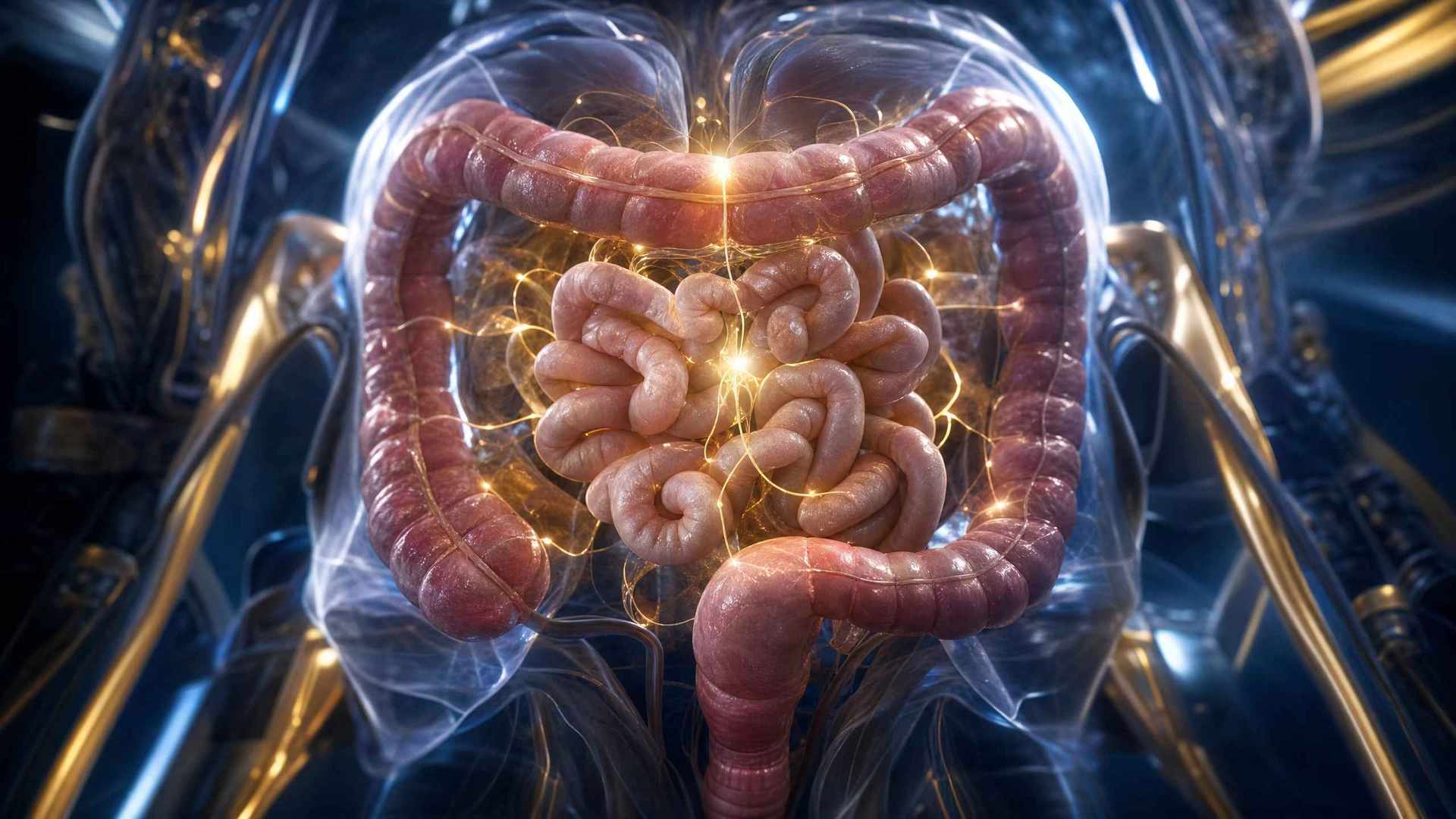
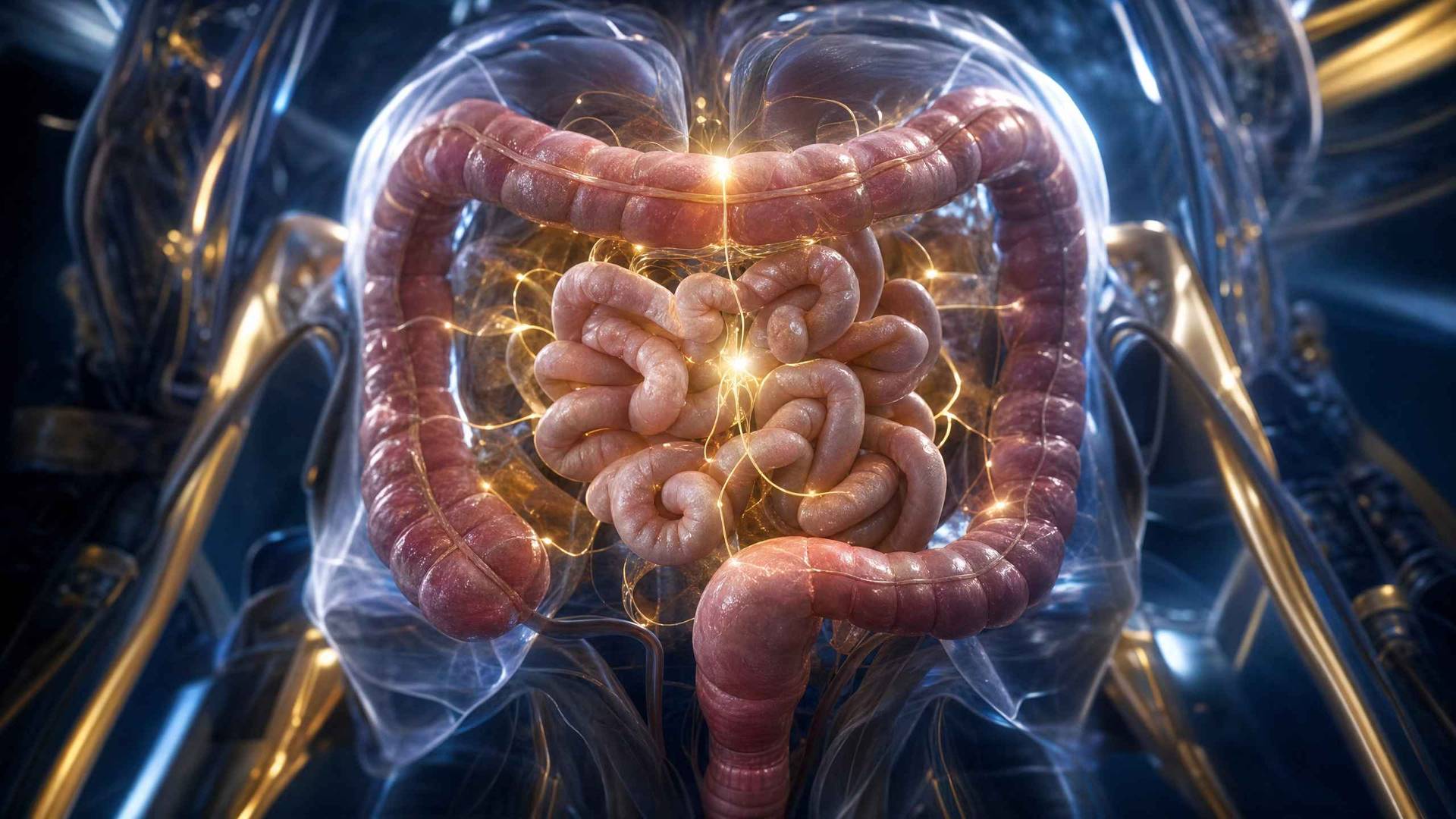
An intestinal transplant is one of the rarest and most complex types of organ transplantation. It is not a routine treatment for digestive disorders, and it is usually considered only when the intestine can no longer absorb enough nutrients, fluids, and electrolytes to support life. In many patients, intestinal failure treatment begins with nutritional support, especially parenteral nutrition, but an intestinal transplant may become necessary when this support causes severe complications or no longer keeps the patient stable.
At Safemedigo, complex and rare medical cases are approached through careful evaluation, medical report review, and guidance toward specialized centers. Intestinal transplant surgery requires much more than a surgical procedure. It involves gastroenterology, transplant surgery, clinical nutrition, immunology, intensive care, liver care, infection control, and long-term follow-up.
This article explains who needs an intestinal transplant, why rare intestinal transplant cases occur, how the intestinal transplant procedure is performed, what affects the intestinal transplant success rate, what life after intestinal transplant may involve, and which alternatives may be considered before surgery.
What Is an Intestinal Transplant and Why Is It Needed
An intestinal transplant is a surgical procedure in which a diseased or non-functioning intestine is replaced with a healthy donor intestine. In many cases, the transplanted organ is the small intestine because it is responsible for most nutrient absorption. A small intestine transplant may be performed alone or combined with other organs, such as the liver, depending on the patient’s condition.
The main reason for an intestinal transplant is severe intestinal failure. Intestinal failure happens when the gut cannot maintain proper nutrition, hydration, electrolyte balance, or micronutrient absorption without advanced medical support. Clinical guidance describes intestinal failure as a complex condition that may result from obstruction, dysmotility, surgical resection, congenital defects, or diseases affecting absorption.
For most patients, intestinal transplant is not the first step. Doctors usually try intestinal failure treatment through nutritional rehabilitation, medication, dietary planning, and parenteral nutrition before considering transplant.
Intestinal transplant explained
An intestinal transplant is designed to restore the body’s ability to absorb nutrition when the intestine can no longer do so effectively. It is usually considered for patients with chronic intestinal failure who depend heavily on parenteral nutrition and develop serious complications.
The goal is not only survival. A successful intestinal transplant may help reduce or stop dependence on intravenous nutrition, improve hydration, support weight stability, and allow a more normal nutritional routine. However, the procedure is highly specialized and requires lifelong medical follow-up.
An intestinal transplant may involve:
- Isolated intestine transplant.
- Small intestine transplant.
- Combined liver and intestine transplant.
- Multivisceral transplant in very complex cases.
The exact approach depends on the cause of intestinal failure, liver condition, infection history, vascular access, and the patient’s overall ability to tolerate surgery.
Intestinal transplant surgery overview
Intestinal transplant surgery is a major operation performed under general anesthesia by a specialized transplant team. Before surgery, the patient undergoes extensive testing to determine whether transplant is the safest and most appropriate option. Cleveland Clinic notes that an intestinal transplant evaluation may involve consultations, laboratory tests, imaging studies, and sometimes additional visits before approval.
During intestinal transplant surgery, the diseased or non-functioning intestine is removed or bypassed depending on the case, and the donor intestine is connected to the patient’s blood vessels and digestive tract. After surgery, the medical team closely monitors blood flow, bowel function, infection risk, rejection signs, and nutritional progress.
This procedure does not end when the operation is completed. The recovery phase includes immune-suppressing medications, frequent tests, nutrition monitoring, and careful follow-up to detect complications early.
Who needs an intestinal transplant
Who needs an intestinal transplant? The answer depends on the severity of intestinal failure and whether current treatment remains safe. Many patients with intestinal failure can live with parenteral nutrition and intestinal rehabilitation. However, transplant may be considered when parenteral nutrition fails or causes life-threatening complications.
Patients may need evaluation for intestinal transplant when they have:
- Chronic intestinal failure that cannot be managed safely.
- Repeated bloodstream infections related to central venous catheters.
- Liver injury caused by long-term parenteral nutrition.
- Loss of usable central veins for nutrition.
- Severe dehydration despite medical support.
- Poor growth in children despite nutritional treatment.
- Severe short bowel syndrome or complex motility disorders.
The decision should always be individualized. Who needs an intestinal transplant is determined by a specialized team after reviewing risks, benefits, timing, and alternatives.

Rare Cases Requiring Intestinal Transplant
Rare intestinal transplant cases are usually linked to severe intestinal failure, major bowel loss, congenital abnormalities, or serious complications from long-term nutritional support. These are not common digestive problems. They are complex medical situations where the intestine cannot perform its basic life-sustaining function.
In many patients, intestinal failure treatment can continue for years without transplant if parenteral nutrition is safe and complications are controlled. Transplant becomes more likely when the patient develops serious infections, liver damage, loss of venous access, or poor quality of life despite advanced care.
Rare cases require precise timing. Referring the patient too late may increase the risk of surgery, while referring too early may expose the patient to transplant risks before it is necessary.
Rare intestinal transplant cases
Rare intestinal transplant cases may include severe short bowel syndrome, congenital intestinal disorders, advanced motility disorders, intestinal damage after blood supply loss, and complex surgical cases where large portions of the bowel have been removed.
Some rare intestinal transplant cases may develop after emergency surgery for bowel ischemia, trauma, volvulus, necrotizing enterocolitis in infants, or repeated abdominal surgeries. In other cases, the problem begins at birth due to congenital diseases that affect absorption or movement of the intestine.
Examples of rare cases include:
- Severe short bowel syndrome.
- Chronic intestinal pseudo-obstruction.
- Congenital enterocyte disorders.
- Extensive bowel loss after surgery.
- Severe intestinal dysmotility.
- Life-threatening complications from parenteral nutrition.
These conditions must be evaluated carefully because intestinal transplant surgery carries significant risks and requires long-term medical commitment.
Intestinal failure causes
Intestinal failure causes vary widely, and understanding the cause is essential before choosing treatment. Some patients develop intestinal failure after surgical removal of a large part of the intestine. Others are born with conditions that prevent normal absorption or movement of food through the bowel.
Common intestinal failure causes include:
- Short bowel syndrome.
- Congenital intestinal defects.
- Severe motility disorders.
- Chronic obstruction.
- Intestinal ischemia.
- Inflammatory or structural intestinal damage.
- Complications after multiple surgeries.
Clinical literature describes intestinal failure as a condition that can result from obstruction, dysmotility, surgical resection, congenital defects, or diseases that reduce absorption.
Not every cause leads to transplant. Some patients improve with intestinal rehabilitation, medication, dietary support, or surgical reconstruction. Transplant is reserved for cases where standard treatment becomes insufficient or unsafe.
Chronic intestinal failure
Chronic intestinal failure is a long-term condition in which the intestine cannot maintain nutrition, hydration, and metabolic balance without specialized support. It may require parenteral nutrition, central venous access, careful fluid management, and regular monitoring.
Chronic intestinal failure can be medically managed in many cases. The goal is to preserve bowel function, prevent dehydration, avoid catheter infections, protect the liver, and support quality of life. However, if complications become severe, intestinal transplant may become part of the treatment discussion.
Signs that chronic intestinal failure is becoming more dangerous may include:
- Repeated catheter-related infections.
- Progressive liver disease.
- Loss of central venous access.
- Frequent dehydration episodes.
- Poor growth in children.
- Worsening nutritional status.
- Repeated hospital admissions.
At Safemedigo, reviewing the full medical history is important because chronic intestinal failure requires a structured treatment pathway, not a single decision.
Intestinal Transplant Procedure
The intestinal transplant procedure begins long before the operation. It starts with a full assessment to confirm whether transplant is truly needed and whether the patient is strong enough to undergo surgery. This evaluation usually includes blood tests, imaging, nutritional assessment, liver evaluation, infection screening, and review of previous surgeries.
The procedure may involve transplanting only the intestine, or it may require a combined transplant if other organs are affected. For example, if long-term parenteral nutrition has caused serious liver damage, the patient may need a combined liver-intestine transplant.
The intestinal transplant procedure is highly individualized. No two cases are exactly the same because the anatomy, disease cause, nutritional status, and complication history may differ significantly.
Intestinal transplant procedure
The intestinal transplant procedure usually follows several major stages. First, the patient is evaluated and prepared medically. Second, a suitable donor organ becomes available. Third, the transplant surgery is performed. Finally, the patient enters a long recovery and monitoring phase.
Typical stages include:
- Initial evaluation: Review of diagnosis, nutrition, infections, and surgical history.
- Transplant approval: Confirmation that benefits outweigh risks.
- Preoperative preparation: Stabilizing nutrition, infection control, and medication planning.
- Surgery: Placement of the donor intestine and connection to blood vessels and digestive tract.
- Intensive monitoring: Early detection of bleeding, rejection, infection, or poor bowel function.
- Long-term care: Immune suppression, nutrition management, and repeated follow-up.
The intestinal transplant procedure requires careful coordination because success depends on both the surgery and the medical management after surgery.
Small intestine transplant
A small intestine transplant is often the main form of intestinal transplant because the small intestine absorbs most nutrients, vitamins, minerals, and fluids. When it fails, the body cannot maintain normal nutrition without intensive support.
A small intestine transplant may be performed alone if the liver and other organs are functioning well. If the liver is damaged, a combined transplant may be required. The decision depends on liver function tests, imaging, nutrition history, and the severity of parenteral nutrition complications.
The goal of a small intestine transplant is to help the patient gradually reduce dependence on parenteral nutrition. This does not happen immediately. The transplanted intestine must recover, adapt, and function properly under close medical supervision.
Donor intestine transplant
A donor intestine transplant involves receiving an intestine from a medically suitable donor. Most intestinal transplants use organs from deceased donors, and the process is controlled by strict medical, ethical, and legal systems.
Donor intestine transplant suitability depends on several factors, including blood type, organ quality, size match, urgency, infection screening, and transplant center criteria. The patient may need to wait until a suitable donor organ becomes available.
Important points about donor intestine transplant include:
- Donor matching is medically regulated.
- The organ must be suitable for transplant.
- Timing can be unpredictable.
- The patient must remain medically prepared.
- The transplant team monitors readiness throughout the waiting period.
Understanding the donor process helps families realize that transplant depends on both patient readiness and organ availability.
Intestinal Transplant Success Rate
The intestinal transplant success rate has improved with advances in surgery, intensive care, immune-suppressing medications, infection control, and nutritional management. However, intestinal transplant remains more complex than many other organ transplants because the intestine contains a large immune and bacterial environment.
Cleveland Clinic reports registry statistics showing that one year after intestinal transplantation, 83% of patients were alive, and 70% were alive at three years; it also notes that most recipients become free from parenteral nutrition. These figures are encouraging, but outcomes vary depending on each patient’s condition.
The intestinal transplant success rate should always be discussed individually. A child with short bowel syndrome, an adult with multiple infections, and a patient needing multivisceral transplant may have very different risk profiles.
Intestinal transplant success rate
The intestinal transplant success rate depends on multiple factors before, during, and after surgery. A patient who is nutritionally optimized, free from active infection, and treated in an experienced center may have a better chance of a successful outcome.
Factors that influence intestinal transplant success rate include:
- Cause of intestinal failure.
- Patient age and general health.
- Liver condition.
- History of infections.
- Type of transplant required.
- Nutritional status before surgery.
- Experience of the transplant center.
- Adherence to immune-suppressing medications.
- Early detection of rejection.
Success does not only mean surviving the operation. It also means the transplanted intestine functions well, complications are controlled, and the patient can move toward a more stable life.
Life after intestinal transplant
Life after intestinal transplant requires long-term commitment. Patients must take immune-suppressing medications to reduce the risk of rejection. These medications are essential, but they may increase infection risk, so monitoring is very important.
Life after intestinal transplant may include:
- Regular blood tests.
- Scheduled clinic visits.
- Medication adjustments.
- Nutrition monitoring.
- Infection prevention.
- Watching for diarrhea, fever, pain, or weakness.
- Long-term communication with the transplant team.
Recovery is gradual. Some patients may slowly reduce parenteral nutrition, while others need more time. Cleveland Clinic describes close follow-up after discharge, including frequent lab testing and clinic visits during the first postoperative year.
With careful care, life after intestinal transplant can offer improved nutrition, fewer catheter-related problems, and a better chance at daily stability.
Intestinal transplant recovery
Intestinal transplant recovery is a long process that begins in the hospital and continues after discharge. The early phase focuses on surgical healing, preventing infection, detecting rejection, and gradually assessing bowel function.
The recovery plan may involve intensive care, imaging, blood tests, endoscopy, biopsies, nutrition support, and medication adjustments. Recovery is not the same for every patient. Some patients progress steadily, while others may experience complications that require additional treatment.
During intestinal transplant recovery, patients and families should monitor:
- Fever.
- Severe diarrhea.
- Abdominal pain.
- Vomiting.
- Unusual fatigue.
- Signs of dehydration.
- Changes in appetite or weight.
- Any medication side effects.
Intestinal transplant recovery requires patience. The aim is not only to leave the hospital, but to achieve stable nutrition, controlled immunity, and safe long-term function.
Risks and Complications
Intestinal transplant complications are an important part of decision-making. Because the intestine has strong immune activity and contains natural bacteria, the risks of rejection and infection are significant. This is why transplant is reserved for carefully selected patients.
All major surgeries carry risks, but intestinal transplant adds the need for lifelong immune suppression. This can make infections more serious and requires frequent follow-up. Patients must understand both the potential benefits and the challenges before proceeding.
The goal of care is not to eliminate every risk, which is impossible, but to reduce risk through preparation, experienced surgical care, early detection, and strict follow-up.
Intestinal transplant complications
Intestinal transplant complications may occur early after surgery or later during recovery. Early complications can include bleeding, infection, poor blood flow to the transplanted organ, surgical leaks, or delayed bowel function. Later complications may include rejection, chronic infection risk, medication side effects, or nutritional problems.
Common intestinal transplant complications include:
- Acute or chronic rejection.
- Infection due to immune suppression.
- Bleeding.
- Anastomotic leaks.
- Poor graft function.
- Diarrhea or malabsorption.
- Kidney or liver complications.
- Need for hospital readmission.
Complications do not mean the transplant has failed automatically. Many can be managed if detected early. This is why follow-up visits, laboratory monitoring, and communication with the medical team are essential.
Intestinal transplant risks
Intestinal transplant risks are higher in patients who are already weak, malnourished, infected, or affected by liver disease. Risk also increases when the surgery involves multiple organs or when the patient has had many previous abdominal operations.
Major intestinal transplant risks may include:
- Surgical bleeding.
- Severe infection.
- Rejection of the donor intestine.
- Blood clots.
- Complications from anesthesia.
- Failure of the transplanted intestine.
- Need for further surgery.
- Side effects from immune-suppressing medications.
These risks must be balanced against the risks of continuing current treatment. In some rare intestinal transplant cases, the risks of not transplanting may become greater than the risks of surgery.
Managing complications
Managing complications starts before surgery. Doctors aim to improve nutrition, treat infections, review medications, assess organ function, and choose the right time for transplant. Better preparation can reduce postoperative problems.
After surgery, managing complications depends on close monitoring and fast response. Patients may need blood tests, imaging, endoscopy, biopsies, antibiotics, medication adjustments, or additional procedures.
Key steps include:
- Taking medications exactly as prescribed.
- Never stopping immune-suppressing drugs without medical advice.
- Attending all follow-up visits.
- Reporting fever, diarrhea, pain, or weakness early.
- Maintaining hygiene and infection precautions.
- Following nutrition instructions carefully.
- Keeping a clear medication schedule.
At Safemedigo, patients are encouraged to understand the full pathway, because managing complications is one of the most important parts of transplant success.
Pediatric Intestinal Transplant
Pediatric intestinal transplant is considered for children with severe intestinal failure, especially when nutrition cannot support growth safely or when parenteral nutrition causes life-threatening complications. Children are different from adults because intestinal failure can affect growth, development, immunity, and long-term quality of life.
The most common cause of intestinal failure in children is often short bowel syndrome, according to pediatric transplant literature. Other causes may include congenital intestinal disorders, severe motility problems, or diseases affecting absorption.
A pediatric intestinal transplant requires a specialized team that understands both transplant medicine and child development. The aim is not only survival, but also growth, nutrition, and family-centered care.
Pediatric intestinal transplant
Pediatric intestinal transplant may be needed when a child cannot grow or remain hydrated because the intestine cannot absorb enough nutrition. In some children, parenteral nutrition can be lifesaving for a long time. In others, it may lead to serious complications that make transplant necessary.
A child may be evaluated for pediatric intestinal transplant in cases of:
- Severe short bowel syndrome.
- Congenital intestinal defects.
- Severe intestinal dysmotility.
- Life-threatening parenteral nutrition complications.
- Poor growth despite nutritional support.
- Recurrent catheter-related infections.
- Liver injury related to intestinal failure.
Children need careful evaluation because their treatment plan must consider growth, school life, family support, infection protection, and long-term development.
When is an intestinal transplant needed
When is an intestinal transplant needed in children or adults? It is usually needed when intestinal failure can no longer be managed safely with medical and nutritional treatment. The timing depends on the severity of complications, not just the diagnosis.
In children, transplant may become more urgent when there is failure to thrive, progressive liver disease, repeated infections, or loss of central venous access. Pediatric transplant guidance notes that intestinal and multivisceral transplantation may provide an alternative for children with life-threatening complications of parenteral nutrition.
When is an intestinal transplant needed should always be decided by a transplant team. Early referral for evaluation can be helpful, even if the patient does not need immediate surgery, because it allows better planning.
Challenges in children
Challenges in children after intestinal transplant can be medical, nutritional, emotional, and practical. Children need long-term monitoring, medication adherence, infection prevention, and growth assessment. Families also need education and support.
Common challenges include:
- Recognizing symptoms in young children.
- Maintaining medication schedules.
- Protecting the child from infection.
- Monitoring growth and nutrition.
- Managing frequent appointments.
- Coping with stress for the child and family.
- Adjusting school and daily activity routines.
Despite these challenges, pediatric intestinal transplant may offer a life-changing option for selected children with severe intestinal failure. The best outcomes depend on early evaluation, experienced care, and strong family involvement.
Cost and Treatment Options
Intestinal transplant cost varies widely because the treatment is highly complex and individualized. It is not only the cost of surgery. It may include pre-transplant evaluation, hospital stay, intensive care, imaging, laboratory tests, donor organ coordination, immune-suppressing medications, nutrition support, and long-term follow-up.
For this reason, a single general price cannot represent every case. A patient who needs an isolated small intestine transplant may have a different treatment pathway from a patient needing combined liver-intestine or multivisceral transplant.
At Safemedigo, the focus is on helping patients understand the pathway, required evaluations, possible treatment options, and the factors that may affect planning before discussing final arrangements.
Intestinal transplant cost
Intestinal transplant cost depends on multiple medical and organizational factors. Because these cases are rare and complex, cost is influenced by the patient’s condition before surgery, transplant type, hospital stay, intensive care needs, medication plan, and complication risk.
Factors that may affect intestinal transplant cost include:
- Type of transplant required.
- Whether other organs are involved.
- Length of hospital stay.
- Need for intensive care.
- Preoperative testing.
- Postoperative monitoring.
- Immune-suppressing medications.
- Nutrition support.
- Complication management.
- Long-term follow-up visits.
Patients should avoid making decisions based only on cost. Safety, center experience, follow-up quality, and transparent medical planning are essential in rare transplant cases.
Intestinal failure treatment
Intestinal failure treatment usually begins with non-transplant options. Many patients are managed with parenteral nutrition, enteral feeding, dietary adjustment, medication, infection control, and intestinal rehabilitation programs. The aim is to support nutrition while preserving as much intestinal function as possible.
Intestinal failure treatment may include:
- Specialized nutrition plans.
- Parenteral nutrition.
- Enteral feeding when possible.
- Medications to improve absorption or control symptoms.
- Management of dehydration and electrolytes.
- Treatment of infections.
- Surgical reconstruction in selected cases.
- Monitoring liver and venous access.
Transplant is considered when intestinal failure treatment fails, becomes unsafe, or creates life-threatening complications. This step should be taken only after careful evaluation.
Alternative treatments
Alternative treatments before intestinal transplant depend on the cause of intestinal failure and the patient’s condition. Not every patient with chronic intestinal failure needs surgery. Some can remain stable for long periods with intestinal rehabilitation and nutrition support.
Alternative treatments may include:
- Home parenteral nutrition.
- Enteral nutrition support.
- Intestinal rehabilitation programs.
- Medication to slow fluid loss.
- Treatment of bacterial overgrowth.
- Surgical lengthening procedures in selected cases.
- Management of catheter complications.
- Liver protection strategies.
The best alternative treatment depends on whether the intestine has any remaining ability to adapt. In some patients, rehabilitation can reduce dependence on parenteral nutrition. In others, transplant becomes necessary when complications are severe.
Conclusion
Intestinal transplant is a rare and highly specialized treatment for selected patients with severe or chronic intestinal failure. It is usually considered when the intestine can no longer support nutrition and hydration, or when parenteral nutrition causes serious complications such as repeated infections, liver injury, or loss of venous access.
The success of intestinal transplant surgery depends on timing, patient selection, transplant center experience, immune-suppressing medication management, nutrition care, and long-term follow-up. Understanding intestinal transplant risks, intestinal transplant complications, intestinal transplant recovery, and alternative treatments helps patients and families make more informed decisions.
Frequently asked questions: Intestinal Transplant- Rare Cases Explained
What is an intestinal transplant?
An intestinal transplant is a surgical procedure in which a diseased or non-functioning intestine is replaced with a healthy donor intestine. It is usually considered for severe intestinal failure when the body cannot absorb enough nutrition and fluids, or when long-term parenteral nutrition causes serious complications.
Who needs an intestinal transplant?
Who needs an intestinal transplant depends on the severity of intestinal failure and treatment complications. Patients may need evaluation if they have chronic intestinal failure, repeated catheter infections, liver injury, loss of venous access, severe dehydration, or poor growth in children despite advanced nutritional support.
What affects the intestinal transplant success rate?
The intestinal transplant success rate depends on the patient’s age, cause of intestinal failure, liver condition, infection history, transplant type, nutritional status, and follow-up care. Success includes not only surviving surgery but also graft function, reduced parenteral nutrition, and controlled complications.
Is pediatric intestinal transplant possible?
Yes, pediatric intestinal transplant is possible for selected children with severe intestinal failure, short bowel syndrome, congenital intestinal disorders, or life-threatening parenteral nutrition complications. Children need specialized care because the treatment affects growth, nutrition, immunity, and family life.
What are the alternatives to intestinal transplant?
Alternative treatments include parenteral nutrition, enteral feeding, intestinal rehabilitation, medications, infection control, and selected surgical procedures. Intestinal transplant is usually considered when these options fail, become unsafe, or cannot support stable nutrition and hydration.