




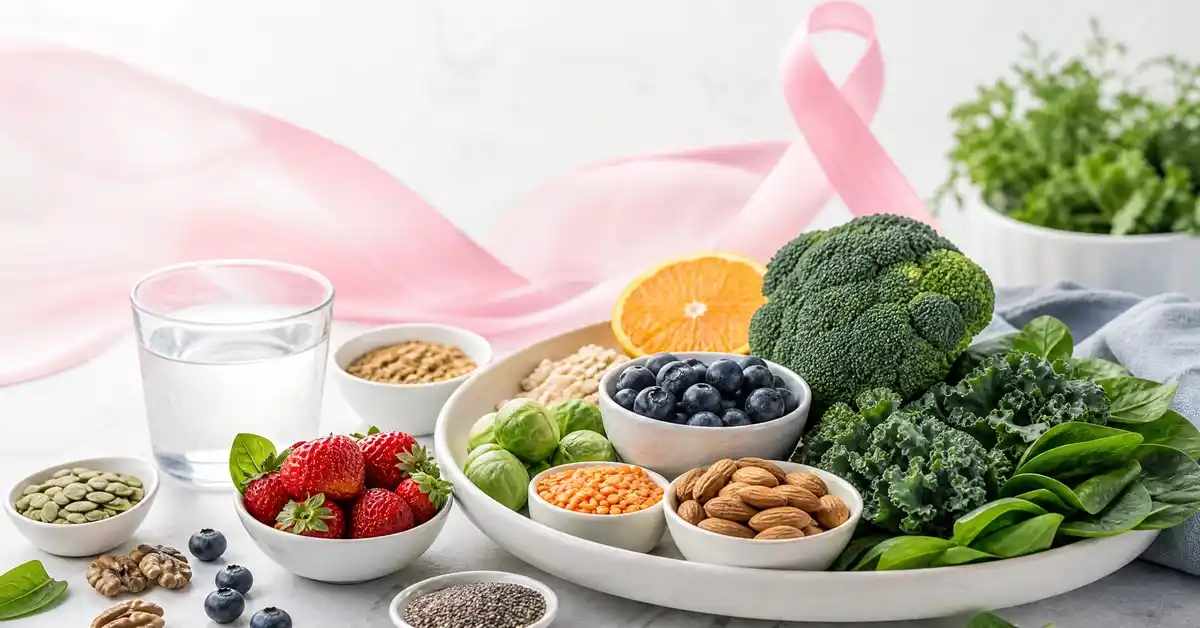
Healthy nutrition for breast cancer patients is not a special diet designed to destroy cancer cells. No single food, vitamin, supplement, or dietary pattern has been proven to cure breast cancer or independently prevent it from returning.
The main nutritional goals are to maintain strength, preserve muscle, prevent malnutrition, manage treatment side effects, and support long-term health after treatment. During active therapy, some patients require more protein and calories than they would normally eat because cancer treatment can reduce appetite and make eating difficult.
At Safemedigo, nutrition is approached according to the patient's treatment phase, body weight, symptoms, medical conditions, and ability to eat rather than through a rigid list of prohibited foods.
Healthy Eating Basics for Breast Cancer Patients
When eating is comfortable and weight is stable, a balanced diet can provide the nutrients needed during treatment and recovery.
Vegetables, Fruits, and Whole Grains
Choose a variety of vegetables and whole fruits rather than focusing on one food promoted as a cancer-fighting ingredient.
Whole grains such as oats, bulgur, brown rice, and whole-grain bread can provide fiber and nutrients when tolerated.
Higher dietary fiber intake after breast cancer diagnosis is associated with favorable health outcomes, although it is not established that increasing fiber alone directly changes cancer outcomes.
Choosing Protein Sources
Useful protein sources include fish, poultry, eggs, dairy products, beans, lentils, chickpeas, nuts, and soy foods.
Processed meats should generally be limited, while plant-based proteins, fish, and poultry can be used more frequently.
Healthy Fats and Carbohydrates
Olive oil, nuts, seeds, and avocado can provide unsaturated fats.
Carbohydrates do not need to be eliminated. Whole grains, legumes, fruit, and other nutrient-rich carbohydrate sources are generally preferable to diets dominated by refined grains, sweets, and sugar-sweetened beverages.
Protein, Calories, and Muscle During Treatment
During active cancer treatment, maintaining strength and muscle can become more important than following a restrictive weight-loss diet.
Why Adequate Protein Matters
Protein supports muscle maintenance, tissue healing, and recovery.
Patients with poor appetite may find it easier to eat the protein-rich part of a meal first and use several smaller meals or snacks throughout the day.
Protein intake can come from both animal and plant foods depending on appetite, preferences, and treatment-related symptoms.
When Extra Calories Are Needed
Unintentional weight loss can indicate that energy intake is too low.
High-protein, higher-calorie foods or drinks may be useful when a patient cannot eat enough through normal meals. Preventing continued weight and muscle loss may be more important temporarily than keeping every meal low in calories.
Should Patients Lose Weight During Treatment?
Weight loss is not automatically the right goal during active therapy, even when a patient entered treatment with excess body weight.
When treatment is causing weakness, poor intake, or muscle loss, maintaining nutritional status is usually the priority. Intentional weight management can be addressed at an appropriate stage with the oncology team.
| Treatment Issue | Nutrition Problem | Practical Approach |
|---|---|---|
| Poor appetite | Low food intake | Small frequent meals and protein-rich foods |
| Weight loss | Low calories and muscle loss | Increase protein and energy intake |
| Weight gain | Excess calories and reduced activity | Adjust portions and food quality |
| Nausea | Difficulty tolerating meals | Small meals and mild-smelling foods |
| Mouth sores | Pain with eating | Soft, cool or lukewarm foods |
| Diarrhea | Fluid loss and poor tolerance | Fluids and temporarily easier-to-digest foods |
Eating During Chemotherapy, Radiation, and Hormonal Therapy
Treatment side effects can temporarily change what a patient is able to eat.
Nausea and Poor Appetite
Small meals may be easier than large meals.
Cold or room-temperature foods can be useful when cooking odors trigger nausea, and patients can eat their largest meal at the time of day when appetite is strongest.
Persistent vomiting should be medically treated because it can cause dehydration and make adequate nutrition impossible.
Taste Changes and Mouth Sores
Chemotherapy can alter taste and smell.
Patients may need to experiment with different protein sources, seasonings, textures, and temperatures.
For painful mouth sores, soft and non-irritating foods are usually easier, while very spicy, acidic, rough, or extremely hot foods may worsen discomfort.
Cancer treatment can also cause dry mouth, swallowing difficulty, constipation, diarrhea, nausea, and early fullness.
Constipation and Diarrhea
Fiber should be adjusted according to symptoms.
Increasing fiber and fluids may help constipation when medically appropriate, while severe diarrhea may temporarily require easier-to-digest foods and adjustment of certain high-fiber foods.
The diet should therefore change with treatment symptoms rather than follow one fixed rule.

Soy, Sugar, and Common Breast Cancer Diet Myths
Breast cancer nutrition is surrounded by dietary claims that can cause unnecessary restriction.
Is Soy Safe After Breast Cancer?
Soy foods contain isoflavones, plant compounds that interact with estrogen receptors differently from human estrogen.
Current evidence does not support routinely avoiding moderate amounts of traditional soy foods after breast cancer, including in survivors concerned about hormone-sensitive disease.
There is no need to start eating soy if it is not part of the patient's usual diet, but there is also no evidence-based reason to eliminate normal soy foods solely because of a breast cancer diagnosis.
Concentrated isoflavone supplements are different from whole soy foods and should be discussed with the oncology team.
Does Sugar Feed Breast Cancer?
All body cells use glucose for energy.
Removing sugar and carbohydrates from the diet cannot selectively starve cancer cells.
The practical reason to limit added sugar and sugary drinks is that they can contribute excessive calories, weight gain, and a lower-quality dietary pattern.
Can a Special Diet Cure Breast Cancer?
No alkaline diet, juice cleanse, highly restrictive diet, vitamin program, or other popular diet has been proven to cure cancer or prevent recurrence.
Restrictive diets can become harmful if they reduce protein, calories, or essential nutrients during treatment.
Food Safety and Supplements During Breast Cancer Treatment
Food safety becomes particularly important when cancer treatment lowers immune defenses.
Food Safety During Low White Blood Cell Counts
Chemotherapy can reduce infection-fighting white blood cells.
Neutropenia means a low number of neutrophils, an important type of white blood cell that helps fight infection.
When immunity is reduced, meats, poultry, fish, and eggs should be thoroughly cooked, unpasteurized dairy products should be avoided, produce should be carefully washed, and raw foods should be kept separate from ready-to-eat foods.
Vitamins and Antioxidant Supplements
High-dose vitamins or antioxidant supplements should not automatically be added during chemotherapy or radiation treatment.
Some supplements can change how anticancer medicines are absorbed or metabolized, and there are reasons for caution with certain antioxidant supplements during treatment.
Nutrients obtained from normal foods are not equivalent to taking concentrated supplement doses.
Herbal Products and Concentrated Extracts
Natural does not necessarily mean harmless.
Herbal preparations, concentrated teas, and dietary supplements can interact with anticancer medicines.
Patients should tell their oncology team about every vitamin, herbal product, powder, or supplement they use or plan to start.
Weight and Nutrition After Breast Cancer Treatment
After active treatment, nutrition gradually shifts toward long-term health, muscle preservation, and maintaining an appropriate body weight.
Maintaining a Healthy Weight
Excess body weight after breast cancer diagnosis is associated with less favorable health outcomes, although the effect of intentional weight loss on recurrence is still being studied.
Patients who are underweight or have lost muscle should not be placed on a weight-loss diet simply because treatment has ended.
For patients with excess weight and stable recovery, gradual sustainable weight management can improve overall health.
A Long-Term Healthy Eating Pattern
After treatment-related eating problems improve, a healthy pattern can emphasize vegetables, fruits, whole grains, beans, fish, poultry, and other appropriate protein sources.
Processed meats, highly processed foods, sugar-sweetened drinks, and excessive refined foods should be limited.
Consistency is more valuable than short-term extreme diets.
Alcohol After Breast Cancer
From a cancer-prevention perspective, avoiding alcohol is the safest choice.
During treatment, alcohol may also worsen mouth sores or interact with certain medications, so patients who drink should discuss it with their treatment team.
Conclusion
Healthy nutrition for breast cancer patients should support treatment rather than compete with it. A balanced diet normally emphasizes vegetables, whole fruits, whole grains, legumes, healthy protein sources, and unsaturated fats while limiting highly processed foods, processed meats, and excessive added sugar.
During periods of poor appetite or unintentional weight loss, adequate calories, protein, and fluids become the priority. Patients may temporarily need a different eating pattern than someone who is healthy and trying to lose weight.
Normal soy foods do not need to be routinely avoided, and eliminating all carbohydrates will not starve cancer. Concentrated supplements, herbs, and high-dose vitamins require more caution because they may interact with treatment.
Frequently Asked Questions: Healthy Diet for Breast Cancer Patients During and After Treatment
What is the best diet for a breast cancer patient?
There is no single best food. A varied diet containing vegetables, fruits, whole grains, healthy protein sources, and appropriate fats is generally recommended.
Should breast cancer patients completely avoid sugar?
No. Eliminating sugar does not starve cancer, although limiting added sugars and sugary drinks can support a healthier weight and overall diet.
Is soy safe for hormone-sensitive breast cancer?
Moderate amounts of normal soy foods do not need to be routinely avoided. Concentrated isoflavone supplements should be discussed with the oncology team.
What should a patient eat with poor appetite during chemotherapy?
Small frequent meals, protein-rich foods, and nutrient-dense snacks or drinks can help maintain calories and muscle.
Are vitamins and supplements recommended during treatment?
Not automatically. Some supplements can interact with anticancer therapy, so high-dose vitamins, antioxidants, and herbal products should be reviewed before use