





Follicular Unit Transplantation, or FUT, remains an important hair-restoration technique despite the widespread popularity of FUE. FUT is not simply an outdated version of hair transplantation. In selected patients, strip harvesting can provide strategic advantages when a large number of grafts is required, donor preservation is important, or several procedures may be needed over a lifetime.
At Safemedigo, choosing FUT or FUE starts with donor density, scalp laxity, hair-loss pattern, preferred hairstyle, expected future progression, and total lifetime graft requirements. Donor hair is finite, so the goal is not merely to extract as many grafts as possible in the first operation, but to use the permanent donor supply intelligently over time.
How FUT Hair Transplantation Works and How It Differs From FUE
The fundamental difference between FUT and FUE is how follicular units are harvested from the donor area. Recipient-site design and graft placement can be performed with similar aesthetic principles after harvesting.
How Follicular Units Are Harvested During FUT Surgery
During FUT, a narrow strip of hair-bearing scalp is removed from an appropriate donor region at the back of the head.
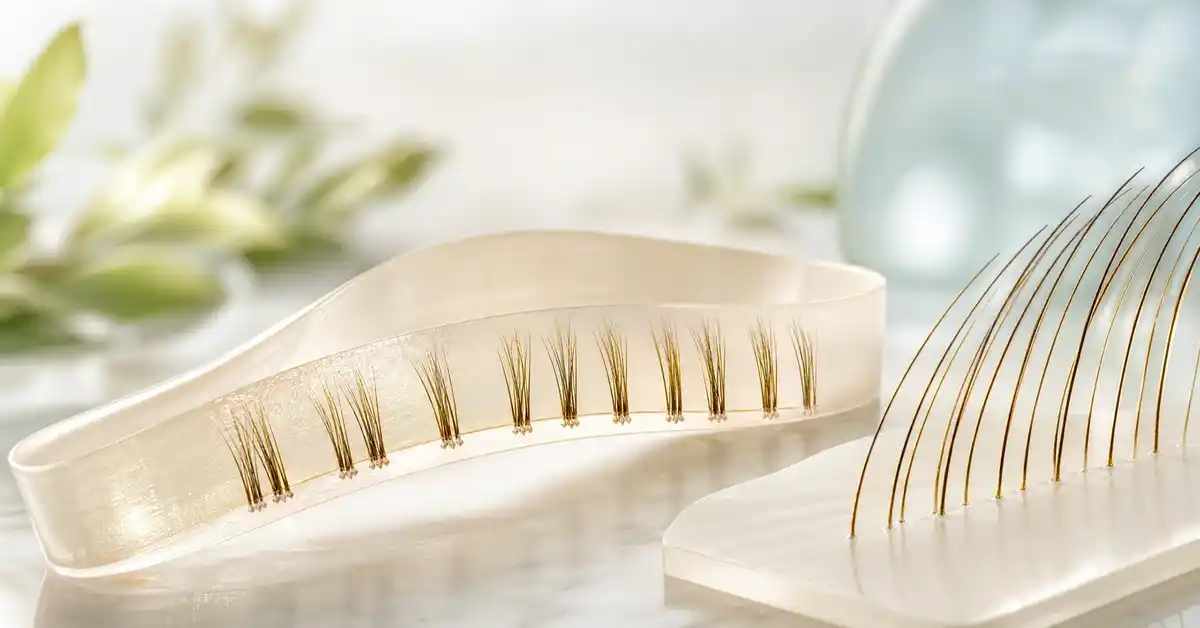
The wound is surgically closed, while the strip is divided under magnification into individual naturally occurring follicular units for transplantation.
This allows many grafts to be obtained from a concentrated portion of the donor area.
FUT Versus FUE Donor-Harvesting Techniques
FUE removes follicular units individually using small punches distributed throughout the donor region.
It avoids a single linear scar but creates numerous small extraction sites. When very large numbers are removed, careful distribution is essential to avoid visible donor thinning or over-harvesting.
FUT instead concentrates harvesting within the strip and leaves a linear closure.
Why FUE Popularity Has Not Made FUT Obsolete
FUE is particularly appealing to patients who prefer very short hairstyles and want to avoid a linear donor scar.
However, current clinical guidance continues to recognize FUT as appropriate for selected patients with a suitable permanent donor zone, good scalp elasticity, and hairstyles that can conceal the donor line.
When FUT Hair Transplantation Is Better for Large Graft Requirements
FUT becomes especially relevant when long-term donor management matters as much as the immediate transplant.
FUT for Extensive Baldness and Large Recipient Areas
Advanced hair loss can require substantial graft numbers to restore the frontal scalp, mid-scalp, and crown.
In such cases, FUT can harvest many follicles from a concentrated stable donor region while leaving surrounding donor areas available for future use.
The strategy is particularly valuable when the surgeon expects ongoing hair loss and additional procedures.
FUT for Patients Likely to Need Multiple Hair Transplant Sessions
Androgenetic alopecia can continue progressing after a successful transplant.
A younger patient who restores the frontal hairline today may lose additional native hair behind it years later. Donor planning should therefore consider the patient's lifetime needs.
Selected patients may undergo FUT first and later use FUE, or combine both techniques strategically to increase the total graft supply available over multiple procedures.
FUT for Patients Who Prefer to Keep Long Donor Hair
Many FUE procedures require significant donor trimming or shaving to permit individual extraction.
With FUT, only the strip area generally needs to be shortened, allowing surrounding long hair to conceal the donor wound.
This can be useful for selected long-haired patients who wish to avoid an extensively shaved donor region.
Read about: Advantages and Expected Results of DHI Hair Transplant Technique
Donor-Area Assessment Before Choosing FUT Hair Transplantation
A successful FUT procedure begins with a suitable donor area rather than the size of the bald area alone.
Donor Density and Hair-Caliber Assessment Before FUT
Clinicians evaluate follicular-unit density, hairs per graft, hair caliber, and the contrast between the hair and scalp.
Higher-quality donor areas and thicker hair generally provide stronger visual coverage for a given graft number. Very low donor density can limit candidacy for transplantation regardless of harvesting technique.
Scalp Laxity and Safe FUT Strip Closure
Adequate scalp laxity is particularly relevant to FUT because the donor wound must be closed after strip removal.
Strip width, tissue elasticity, and closure tension can all influence the resulting scar. Very tight scalp tissue may make FUT less attractive and may favor an alternative harvesting strategy.
Identifying a Stable Permanent Donor Zone Before FUT
Grafts should ideally be harvested from hair that is likely to remain stable over time.
Young patients can have apparently dense areas that later become affected as androgenetic alopecia progresses. Long-term planning therefore considers age, family history, hair-loss pattern, and signs of donor miniaturization.

FUT Versus FUE: Choosing the Best Technique for Long-Term Hair Restoration
Neither FUT nor FUE is universally superior. Their advantages change according to the patient's donor anatomy, hairstyle, hair-loss severity, and lifetime restoration strategy.
When FUE May Be Better Than FUT Hair Transplantation
FUE may be preferable when a patient:
- Wants to wear extremely short hair.
- Strongly wishes to avoid a linear scar.
- Has insufficient scalp laxity for strip harvesting.
- Requires a relatively limited procedure.
- Has donor or scar characteristics that make another strip less desirable.
FUE is particularly attractive to younger patients who prefer short hairstyles.
When FUT Can Help Preserve Future Donor-Hair Options
FUT removes follicles from a concentrated strip within the donor region, whereas large FUE sessions require extraction across a broader surface.
In selected patients, using FUT first can therefore preserve other donor zones for later FUE harvesting. This can be especially valuable in extensive hair loss.
Combining FUT and FUE to Maximize Donor Graft Availability
FUT and FUE do not have to be mutually exclusive.
In appropriately selected patients with advanced hair loss, a staged combination can increase the total number of grafts available over time while helping manage the finite donor supply.
Read about: Detailed Comparison Between FUE and DHI Hair Transplant Methods
FUT Linear Scarring, Recovery, and Hair Transplant Risks
The major tradeoff with FUT is the permanent linear donor scar.
The scar can become narrow and well concealed when healing is favorable, but it does not disappear completely.
How Visible Is the FUT Hair Transplant Scar?
The linear scar is usually concealed by appropriately long donor hair but may become visible with extremely short haircuts.
Modern closure techniques, careful control of strip width, and reduced wound tension can improve scar appearance. Some closure methods also allow hair to grow through portions of the scar to improve camouflage.
Individual healing still varies, so an invisible scar cannot be guaranteed.
FUT Recovery Compared With FUE Recovery
Because FUT involves strip excision and surgical closure, patients can experience donor-site tightness or discomfort during early healing and may require suture or staple removal.
FUE leaves many small punch sites rather than a closed linear wound. The two procedures therefore have different recovery patterns rather than one being completely scar-free.
Potential Risks and Complications of FUT Hair Transplantation
Hair-transplant surgery can involve:
- Bleeding.
- Infection.
- Pain or tightness.
- Swelling.
- Temporary shock loss.
- Poor growth of some grafts.
- Temporary sensory changes.
- Unsatisfactory density or hairline design.
- Unfavorable donor scarring.
These possibilities are why hair transplantation should be approached as a surgical procedure rather than simply a cosmetic salon treatment.
Read about: When Do Hair Transplant Results Appear? Complete Timeline Explained
Selecting the Right FUT Hair Transplant Candidate for Long-Term Results
Technique alone does not determine success. Appropriate diagnosis, donor management, and realistic planning are equally important.
Characteristics of a Good FUT Hair Transplant Candidate
Suitable hair-transplant candidates generally have:
- A clear diagnosis.
- A stable or reasonably predictable hair-loss pattern.
- Adequate donor quality and quantity.
- A healthy scalp.
- Realistic expectations.
- Medical fitness for surgery.
For FUT specifically, adequate scalp laxity, acceptance of a linear scar, and hairstyle preference also matter.
Controlling Ongoing Native Hair Loss After FUT
Transplanted follicles do not stop untreated native hair around them from continuing to miniaturize.
Medical management may therefore be discussed to preserve existing hair, particularly in younger patients with progressive androgenetic alopecia.
Designing a Sustainable Hairline Before FUT Surgery
An excessively low or dense hairline can consume valuable donor grafts and become difficult to maintain if baldness progresses.
A conservative hairline should consider age, facial proportions, donor supply, expected future loss, and the possibility of further surgery.
Read about: Robotic Hair Transplant: How It Works and Is It Guaranteed?
Conclusion
FUT is not the ideal procedure for every hair transplant, but it remains highly relevant when large graft requirements, long-term donor preservation, adequate scalp laxity, and future surgical planning are important. Selected patients with advanced hair loss may also benefit from a strategy that uses FUT and FUE at different stages.
Patients who want extremely short hairstyles, have poor scalp laxity, or strongly wish to avoid a linear donor scar may be better suited to FUE. The final decision should therefore follow detailed donor-area assessment rather than the popularity of a particular technique.
Frequently Asked Questions: FUT Hair Transplant
Is FUT outdated compared with FUE?
No. It is a different harvesting strategy that remains useful in selected patients, especially when donor management and substantial graft requirements are important.
Does FUT always leave a permanent scar?
Yes, FUT creates a linear donor scar. It can become narrow and well hidden by hair but cannot be guaranteed to disappear completely.
Is FUT useful for advanced baldness?
It can be particularly useful when maximizing donor availability or planning multiple procedures, sometimes in combination with FUE.
Does FUT require shaving the entire donor area?
Usually not. Only the strip region may need trimming, allowing surrounding hair to conceal the surgical area.
Can FUE be performed after a previous FUT procedure?
Yes. FUE can be incorporated later when adequate donor hair remains, but the available graft supply must be individually assessed.