





Experiencing a first pregnancy delay can be one of the most emotionally challenging situations a couple faces. When months pass without a positive result, questions about fertility tests for delayed pregnancy, underlying causes, and next steps begin to surface. The good news is that in the majority of cases, a first pregnancy delay has identifiable and treatable causes — and with the right diagnostic approach, most couples can successfully achieve conception.
At Safemedigo, a leading medical tourism platform, couples from around the world access world-class fertility specialists and cutting-edge diagnostic technology to address delayed pregnancy diagnosis with precision and care. This comprehensive guide walks through the key tests recommended when facing a first pregnancy delay, covering everything from hormone tests for pregnancy delay to lifestyle factors delayed pregnancy, empowering couples with the knowledge they need to take confident steps forward.
What is the First Pregnancy Delay?
Understanding what constitutes a first pregnancy delay is the foundation for knowing when and how to seek medical guidance.
Definition of First Pregnancy Delay
A first pregnancy delay is medically defined as the inability to achieve conception after a period of regular, unprotected intercourse. It is one of the most common reproductive concerns among newly married couples and is often referred to as primary infertility when no previous pregnancy has occurred. The causes of delayed pregnancy are diverse, ranging from hormonal imbalances and ovulation disorders to structural issues and lifestyle factors delayed pregnancy. Understanding this definition helps couples approach the situation calmly and systematically rather than with unnecessary alarm.
How Long Before Diagnosis
The standard medical guideline for initiating fertility evaluation tests is as follows:
- For women under 35 years of age: after 12 months of regular, unprotected intercourse without conception
- For women aged 35 or older: after 6 months of trying without success
- Immediate evaluation is recommended if there are known risk factors such as irregular cycles, previous pelvic infections, or a history of endometriosis
These timelines help determine when to test for delayed pregnancy and guide the physician in recommending the appropriate fertility tests for delayed pregnancy without unnecessary delay.
Delay vs Infertility
It is important to distinguish between a first pregnancy delay and clinical infertility. A first pregnancy delay refers to a temporary difficulty in conceiving that can often be resolved through targeted treatment or lifestyle modifications. Infertility, on the other hand, implies a more complex medical condition requiring advanced intervention. Many couples who initially present with unexplained delayed pregnancy are later found to have minor, correctable issues identified through a comprehensive infertility workup for first pregnancy. Early testing and diagnosis significantly improve the chances of natural conception.
Read about: Modern Fertility Treatments for Men and Women You Should Know
Basic Pregnancy Delay Tests
The first line of investigation for a first pregnancy delay involves a set of essential tests that evaluate both partners' reproductive health comprehensively.
Hormone Tests for Pregnancy Delay
Hormone tests for pregnancy delay are among the most informative and commonly ordered tests when investigating a first pregnancy delay. These tests measure the levels of key reproductive hormones including:
- FSH (Follicle-Stimulating Hormone) — evaluates ovarian reserve and egg quality
- LH (Luteinizing Hormone) — assesses ovulation triggering
- Estradiol (E2) — reflects ovarian function
- Progesterone — confirms whether ovulation has occurred
- Prolactin — elevated levels can suppress ovulation and contribute to delayed pregnancy diagnosis
- AMH (Anti-Müllerian Hormone) — provides a direct measure of ovarian reserve
These hormone tests for pregnancy delay are typically drawn on specific days of the menstrual cycle to ensure accuracy and are a cornerstone of any fertility evaluation tests protocol.
Ovulation Tracking Ultrasound
An ovulation tracking ultrasound, also known as a fertility ultrasound scan, is a non-invasive and highly effective tool for monitoring follicle development in the ovaries. This fertility ultrasound scan is performed at multiple points during the menstrual cycle to track the growth of follicles and confirm the release of a mature egg. It is one of the most valuable pregnancy delay tests for identifying ovulation disorders, which are among the leading causes of delayed pregnancy. The ovulation tracking ultrasound also helps physicians time any medical interventions precisely to maximize the chances of conception.
Male Fertility Semen Analysis
A first pregnancy delay investigation must always include a male fertility semen analysis. Studies consistently show that male factors contribute to approximately 40–50% of all cases of delayed pregnancy diagnosis. The male fertility semen analysis evaluates:
- Sperm count (concentration per milliliter)
- Sperm motility (percentage of moving sperm)
- Sperm morphology (normal shape and structure)
- Semen volume and pH
Results from the male fertility semen analysis directly influence the infertility workup for first pregnancy and help determine whether the issue lies with one or both partners, allowing for a more targeted treatment plan.
Read about: Do Natural Fertility Vitamins Really Help with Conception?
Additional Diagnostic Tests
When basic pregnancy delay tests do not reveal a clear cause, additional diagnostic tests are recommended to investigate less common but significant contributors to a first pregnancy delay.
Thyroid Test for Fertility
The thyroid gland plays a critical role in regulating reproductive hormones. A thyroid test for fertility — specifically measuring TSH (Thyroid-Stimulating Hormone) levels — is essential in any comprehensive fertility evaluation tests panel. Both hypothyroidism and hyperthyroidism can disrupt ovulation, cause irregular menstrual cycles, and contribute to unexplained delayed pregnancy. A thyroid test for fertility is a simple blood test that can uncover a highly treatable cause of first pregnancy delay, often resolving the issue with straightforward medication management.
Fallopian Tube Check Pregnancy
A fallopian tube check pregnancy test — most commonly performed as a hysterosalpingography (HSG) — is used to assess whether the fallopian tubes are open and structurally normal. Blocked or damaged fallopian tubes are a significant cause of delayed pregnancy diagnosis, as they prevent the sperm from reaching the egg. The fallopian tube check pregnancy procedure involves injecting a contrast dye into the uterus and fallopian tubes while taking X-ray images to visualize their patency. This test is a critical component of the infertility workup for first pregnancy and can simultaneously serve a therapeutic role by clearing minor blockages.
Female Fertility Hormone Panel
A comprehensive female fertility hormone panel goes beyond the basic hormone tests for pregnancy delay to include a full assessment of the endocrine system. This panel may include tests for androgens (such as testosterone and DHEA-S), insulin resistance markers, and cortisol levels — all of which can affect ovulation and contribute to causes of delayed pregnancy. The female fertility hormone panel is particularly important for women with irregular cycles, signs of PCOS, or unexplained delayed pregnancy, as it provides a complete hormonal picture to guide treatment decisions.
Read about: How Hormones Affect Fertility: Key Tests Couples Should Consider
Using Ultrasound in Delayed Pregnancy
Ultrasound technology plays a multifaceted role in diagnosing and managing a first pregnancy delay, offering real-time insights that no blood test can provide.
What Ultrasound Shows
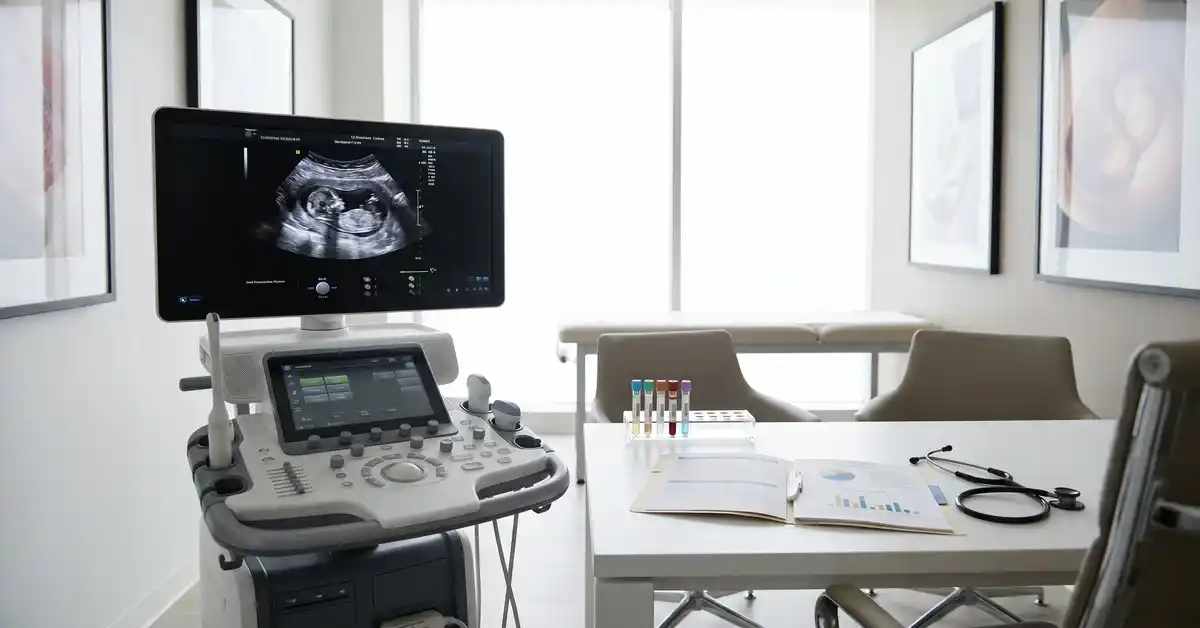
A fertility ultrasound scan can reveal a wide range of structural and functional information relevant to a first pregnancy delay. It can identify uterine fibroids, polyps, or congenital anomalies that may interfere with implantation. It also assesses ovarian morphology, antral follicle count (a key indicator of ovarian reserve), and the presence of ovarian cysts. When used as an ovulation tracking ultrasound, it monitors follicle growth in real time, providing direct evidence of whether ovulation is occurring normally — a key factor in fertility evaluation tests.
When to Schedule Scans
The timing of a fertility ultrasound scan depends on the specific aspect of reproductive function being assessed:
- Day 2–3 of the cycle: Baseline scan to assess antral follicle count and ovarian reserve
- Day 10–12: Ovulation tracking ultrasound to monitor follicle development
- Day 14–16: Confirmation of ovulation and corpus luteum formation
- Luteal phase: Endometrial thickness assessment to evaluate receptivity for implantation
Following this schedule ensures that the ovulation tracking ultrasound captures all critical phases of the cycle relevant to diagnosing a first pregnancy delay.
Interpreting Scan Results
Interpreting fertility ultrasound scan results requires specialist expertise. A dominant follicle measuring 18–22 mm typically indicates imminent ovulation, while the absence of follicular development may suggest anovulation — a key cause of delayed pregnancy diagnosis. Endometrial thickness of at least 7–8 mm on the day of ovulation is considered optimal for implantation. Any deviation from these parameters provides actionable information for the physician to adjust the treatment plan and address the specific cause of the first pregnancy delay.
Read about: Best Foods to Naturally Boost Fertility in Men and Women
Preparing for Fertility Testing
Proper preparation before undergoing pregnancy delay tests can improve the accuracy of results and reduce the emotional burden of the process.
Nutrition and Delayed Conception
The relationship between nutrition and delayed conception is well established in reproductive medicine. A diet rich in antioxidants, omega-3 fatty acids, folate, zinc, and vitamin D supports optimal egg and sperm quality. Nutrition and delayed conception research highlights that deficiencies in key micronutrients can impair hormone production and ovulation. Couples are advised to begin a fertility-supportive diet at least three months before testing, as this timeframe aligns with the maturation cycle of both eggs and sperm, potentially improving the outcomes of fertility tests for delayed pregnancy.
Lifestyle Factors Delayed Pregnancy
Lifestyle factors delayed pregnancy is a category that encompasses a wide range of modifiable behaviors that can significantly impact fertility. Key lifestyle factors delayed pregnancy include:
- Smoking — reduces ovarian reserve and sperm quality
- Excessive alcohol consumption — disrupts hormonal balance
- High BMI or underweight — both affect ovulation and hormone levels
- Chronic stress — elevates cortisol and suppresses reproductive hormones
- Sedentary behavior — linked to insulin resistance and PCOS
Addressing these lifestyle factors delayed pregnancy before and during testing can improve both the accuracy of results and the overall prognosis for conception.
Mental Readiness for Tests
The psychological dimension of undergoing fertility evaluation tests is often underestimated. Anxiety and emotional stress can affect hormone levels and may influence the results of hormone tests for pregnancy delay. Couples are encouraged to approach the testing process as a collaborative and empowering journey rather than a source of fear. Open communication with the treating physician, access to counseling, and mutual support between partners are all essential components of mental readiness that contribute to a more positive experience and better outcomes in addressing a first pregnancy delay.

Follow‑Up After Diagnostic Results
Receiving diagnostic results is not the end of the journey — it is the beginning of a targeted and hopeful treatment path.
Treatment Options After Tests
Once the results of pregnancy delay tests are available, the physician will recommend a treatment plan tailored to the identified cause. Common treatment options include ovulation induction medications for women with ovulatory dysfunction, hormonal therapy to correct imbalances identified in the female fertility hormone panel, and surgical intervention for structural issues such as blocked fallopian tubes identified during the fallopian tube check pregnancy. In cases where the male fertility semen analysis reveals significant abnormalities, urological treatment or assisted reproduction may be recommended.
Natural vs Medical Approaches
For couples with mild causes of delayed pregnancy diagnosis, natural approaches may be sufficient. These include dietary improvements addressing nutrition and delayed conception, stress reduction techniques, and targeted supplementation. However, when fertility evaluation tests reveal moderate to severe abnormalities, medical intervention is typically necessary. The decision between natural and medical approaches should always be made in consultation with a qualified fertility specialist who can weigh the specific findings of the infertility workup for first pregnancy against the couple's age, health status, and personal preferences.
When to Seek Specialist Help
Certain findings from pregnancy delay tests warrant immediate referral to a reproductive specialist. These include severely abnormal male fertility semen analysis results, complete blockage identified on fallopian tube check pregnancy, significantly diminished ovarian reserve, or a diagnosis of unexplained delayed pregnancy after a full workup. At Safemedigo, couples have access to a curated network of internationally accredited fertility specialists who can provide advanced care and personalized treatment plans, ensuring that every step of the journey is guided by expertise and compassion.
Read about: Natural Fertility Treatments: Effective Ways to Boost Conception
Lifestyle to Improve Conception
Beyond medical treatment, sustainable lifestyle changes form a powerful foundation for improving fertility and addressing a first pregnancy delay.
Diet for Fertility
A fertility-supportive diet is one of the most impactful tools in addressing nutrition and delayed conception. The Mediterranean diet — rich in vegetables, fruits, whole grains, legumes, and healthy fats — has been associated with improved fertility outcomes in multiple studies. Specific nutrients that support fertility include folate (essential for early fetal development), coenzyme Q10 (improves egg and sperm quality), and vitamin D (regulates reproductive hormones). Incorporating these nutrients into daily meals is a practical and evidence-based strategy for couples dealing with a first pregnancy delay.
Exercise and Conception
Regular, moderate physical activity is beneficial for reproductive health and helps address lifestyle factors delayed pregnancy. Exercise improves insulin sensitivity, reduces inflammation, and supports hormonal balance — all of which contribute to better fertility outcomes. However, excessive high-intensity exercise can have the opposite effect, suppressing ovulation and reducing sperm production. A balanced exercise routine of 30 minutes of moderate activity most days of the week is recommended as part of a comprehensive approach to overcoming a first pregnancy delay.
Reducing Negative Habits
Eliminating negative habits is one of the most direct ways to improve fertility and reduce the impact of lifestyle factors delayed pregnancy. Quitting smoking has been shown to significantly improve ovarian reserve and sperm parameters within months. Reducing caffeine intake to under 200 mg per day and limiting alcohol consumption are also evidence-based recommendations for couples undergoing fertility evaluation tests. These changes, combined with adequate sleep and stress management, create an optimal physiological environment for conception and complement the medical interventions recommended after pregnancy delay tests.
Read about: How Hormones Affect Fertility: Essential Tests for Couples
Conclusion
A first pregnancy delay, while emotionally challenging, is a condition that can be systematically addressed through a well-structured series of fertility evaluation tests. From hormone tests for pregnancy delay and ovulation tracking ultrasound to male fertility semen analysis and fallopian tube check pregnancy, each test provides a critical piece of the diagnostic puzzle. Early and accurate delayed pregnancy diagnosis is the key to identifying the right treatment path and maximizing the chances of a successful, healthy pregnancy.
Safemedigo is committed to supporting couples at every stage of their fertility journey, connecting them with world-class specialists and the most advanced diagnostic and treatment options available globally. Whether the cause is hormonal, structural, or related to lifestyle factors delayed pregnancy, the right guidance makes all the difference. Reach out to Safemedigo today to explore your fertility evaluation options and take the first step toward the family you envision.
Frequently Asked Questions: First Pregnancy Delay: Key Tests
When should a couple start fertility tests for delayed pregnancy?
Couples under 35 should consider initiating fertility tests for delayed pregnancy after 12 months of regular, unprotected intercourse without conception. For women aged 35 or older, this timeline shortens to 6 months. Immediate evaluation is advisable if either partner has known risk factors such as irregular cycles, previous reproductive health issues, or a history of pelvic infections, as early delayed pregnancy diagnosis leads to faster and more effective treatment.
Is a male fertility semen analysis always necessary?
Yes, a male fertility semen analysis is an essential component of the infertility workup for first pregnancy. Male factors contribute to nearly half of all cases of delayed pregnancy diagnosis, and the semen analysis is a simple, non-invasive test that can quickly identify issues with sperm count, motility, or morphology. Skipping this test can lead to incomplete diagnosis and ineffective treatment, making it a non-negotiable part of any comprehensive fertility evaluation tests protocol.
What does the thyroid test for fertility reveal?
The thyroid test for fertility measures TSH levels to detect thyroid dysfunction, which is a commonly overlooked cause of unexplained delayed pregnancy. Both an underactive and overactive thyroid can disrupt ovulation and menstrual regularity. Fortunately, thyroid disorders are highly treatable with medication, and correcting thyroid function often restores normal ovulation and significantly improves the chances of conception without the need for more invasive fertility treatments.
How does nutrition and delayed conception relate?
The connection between nutrition and delayed conception is well documented. Deficiencies in key nutrients such as folate, zinc, vitamin D, and omega-3 fatty acids can impair egg quality, sperm production, and hormonal balance — all of which contribute to a first pregnancy delay. A fertility-supportive diet rich in these nutrients, ideally started at least three months before testing, can improve the outcomes of pregnancy delay tests and enhance the effectiveness of any subsequent medical treatment.
Can lifestyle factors delayed pregnancy be reversed?
In many cases, yes. Lifestyle factors delayed pregnancy such as smoking, excessive alcohol consumption, poor diet, and high stress levels are all modifiable. Studies show that quitting smoking, maintaining a healthy weight, and adopting a balanced diet can meaningfully improve fertility within three to six months. Addressing these lifestyle factors delayed pregnancy is often the first recommendation before or alongside medical treatment, as it creates the optimal physiological conditions for conception and enhances the effectiveness of fertility evaluation tests results.