





At Safemedigo, we believe that a successful hair transplant is not just about the final result, but also about the patient's experience throughout the procedure. A key aspect of this is ensuring our patients are comfortable and pain-free from the very beginning. This article explains our approach to using light sedation during the initial phase of hair transplantation to provide a seamless and stress-free experience. We will delve into the different types of anesthesia, the importance of patient comfort, our rigorous safety protocols, and the overall patient experience at Safemedigo.
The Evolution of Anesthesia in Hair Transplantation
Hair transplant surgery has evolved significantly over the years, and so have the methods used to ensure patient comfort. Initially, procedures were performed with only local anesthesia, which, while effective at numbing the treatment area, did not address the anxiety and stress many patients experience. The introduction of light sedation has revolutionized the patient experience, making the procedure more comfortable and less daunting.
From Local Anesthesia to Conscious Sedation
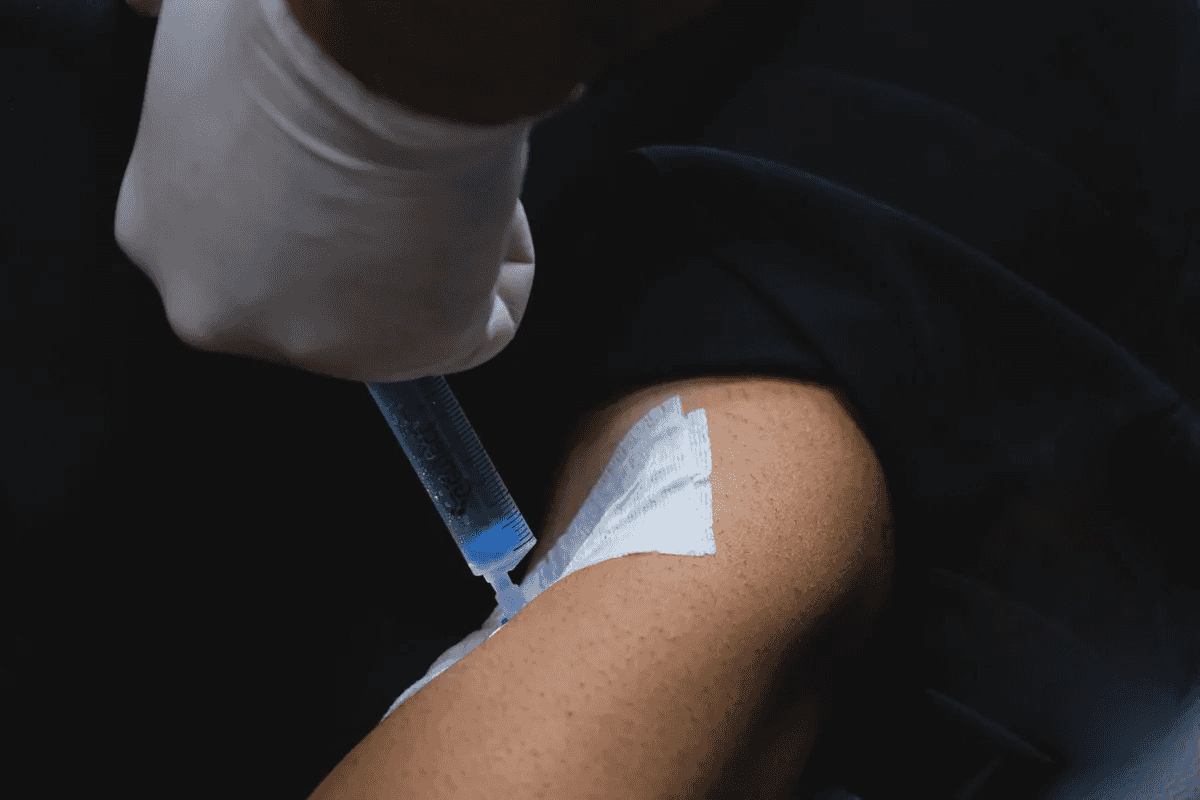
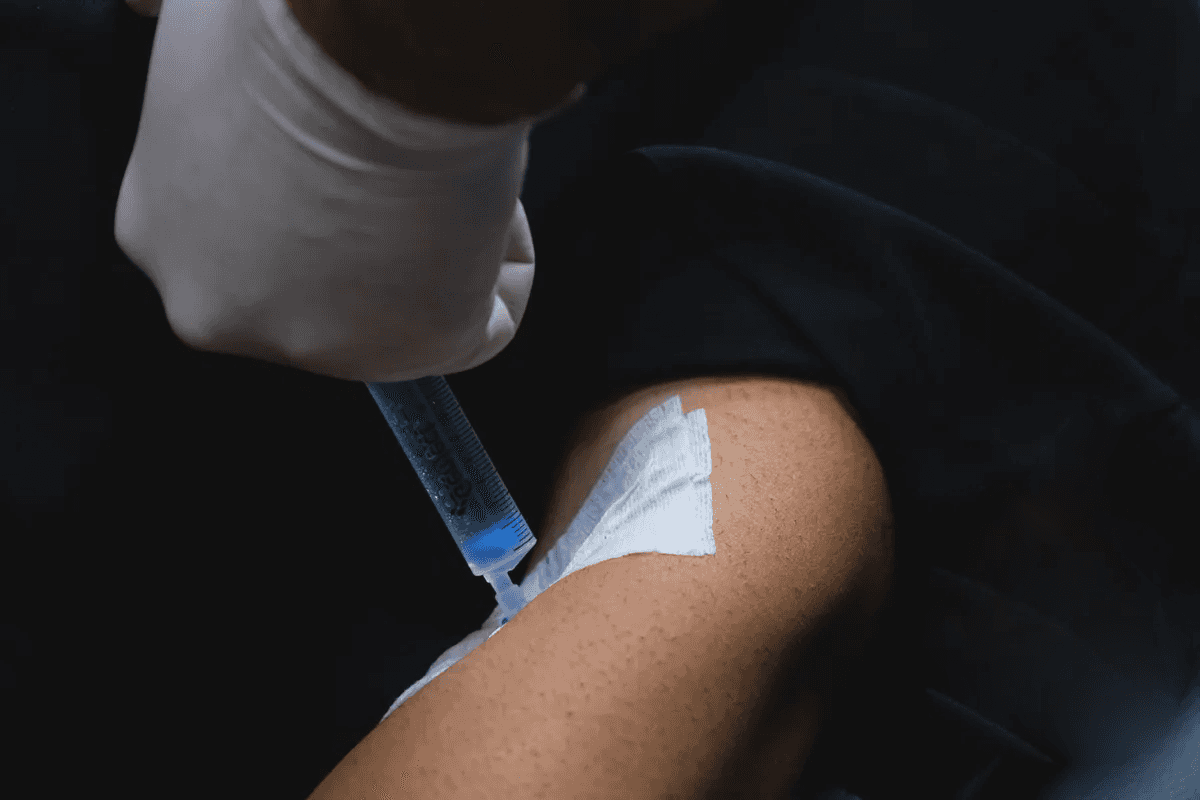
Local anesthesia remains the gold standard for hair transplant procedures, effectively blocking pain signals in the scalp. However, the initial injections can be a source of discomfort and anxiety for many patients. This is where conscious sedation comes in. By administering a mild sedative before the local anesthetic, we can create a state of deep relaxation, making the entire process, from the first injection to the final graft placement, a more pleasant experience.
Understanding Sedation in Hair Transplantation
It is important to clarify that the sedation used at Safemedigo is not a form of general anesthesia. Instead, we administer a mild, controlled, and short-acting sedative that lasts for approximately five to ten minutes. This is often referred to as conscious sedation or 'twilight' sedation. The primary purpose of this light sedation is twofold:
1.To eliminate any discomfort during the injections of local anesthesia.
2.To promote a state of relaxation in the patient as the procedure begins.
Once the local anesthetic has been administered and has taken effect, the sedation wears off, and the patient remains fully awake, aware, and comfortable for the remainder of the hair transplant surgery. This approach combines the safety of local anesthesia with the comfort of sedation, providing the best of both worlds.
Types of Anesthesia and Sedation
There are several options for anesthesia and sedation in hair transplant surgery. At Safemedigo, we tailor our approach to each patient's individual needs and preferences.
Anesthesia/Sedation Type | Description | Patient Experience |
Local Anesthesia | The standard method, involving injections of a numbing agent (e.g., Lidocaine) into the scalp. | The patient is fully awake and alert but feels no pain in the treatment area. Some pressure or a mild tugging sensation may be felt. |
Conscious Sedation | A mild sedative is administered orally or intravenously before the local anesthesia. This induces a state of deep relaxation. | The patient is in a 'twilight' state, feeling drowsy and relaxed but still able to respond to instructions. The procedure feels shorter and is stress-free. |
Needle-Free Anesthesia | An innovative technique that uses a high-pressure jet to deliver the anesthetic without a needle. This is often used for the initial numbing. | Ideal for patients with a fear of needles, this method significantly reduces the discomfort of the initial injections. |
General Anesthesia | This is rarely used in hair transplant surgery and is reserved for exceptionally long or complex cases, or for patients with specific medical conditions. It involves complete unconsciousness and carries higher risks. | The patient is completely asleep and unaware of the procedure. Recovery is longer, and there are more potential side effects. |
The Psychological Benefits of a Pain-Free Experience
The benefits of a pain-free and comfortable hair transplant experience extend beyond the physical. A relaxed and stress-free start to the procedure can have a significant positive impact on the patient's psychological well-being. When patients feel calm and confident, they are better able to cope with the length of the procedure and are more likely to have a positive overall experience.
Reducing Anxiety and Building Trust
By taking proactive steps to manage pain and anxiety, we build a relationship of trust with our patients. This helps them feel more at ease throughout the procedure and more confident in the care they are receiving. A positive and supportive environment is a key component of the Safemedigo experience.
Our Commitment to Patient Safety
The safety of our patients is our utmost priority. The sedation protocol at Safemedigo is extremely safe and is a standard practice in various medical fields worldwide. We ensure safety through a series of rigorous measures:
Pre-Procedure Evaluation
Before any sedation is administered, our medical team conducts a thorough evaluation of the patient's medical history, including:
•Allergies
•Past medical conditions
•Current medications
•Previous reactions to anesthesia
This comprehensive check-up ensures that every patient receives sedation safely and appropriately.
The Role of the Anesthesia Specialist
During the sedation period, a trained anesthesia specialist or nurse is dedicated to monitoring the patient's vital signs, including:
•Heart rate
•Blood pressure
•Oxygen saturation
This continuous monitoring ensures that the patient remains safe and comfortable throughout the initial phase of the procedure.
State-of-the-Art Equipment
Our operating suites are equipped with the latest medical technology to ensure patient safety, including:
•Advanced cardiac monitors
•Pulse oximeters
•Emergency resuscitation equipment
•A full range of emergency medications
This level of preparedness ensures that we can respond swiftly and effectively to any unforeseen circumstances.
A Trusted and Routine Medical Practice
The type of light sedation we employ for hair transplant procedures is the same as that used in many common and routine medical interventions. These include:
•Endoscopy
•Colonoscopy
•Minor surgical procedures
•Various diagnostic procedures
This widespread use in modern medicine underscores the safety and reliability of this method for ensuring patient comfort. The use of conscious sedation is supported by extensive research and has been shown to be a safe and effective way to improve the patient experience in a wide range of medical procedures .
The Importance of a Pain-Free Start
A hair transplant is a meticulous and lengthy procedure. By eliminating any initial pain or anxiety, we help our patients begin the process in a calm and confident state of mind. A relaxed start contributes significantly to a positive overall experience. Once the local anesthesia is active, comfort is maintained throughout the entire operation without the need for continuous sedation.
Preventing Complications
A calm and relaxed patient is less likely to experience fluctuations in blood pressure, which can lead to complications such as bleeding and 'popping' of the grafts. By ensuring a smooth and stress-free start, we can help to minimize these risks and improve the overall success of the procedure .
The Safemedigo Experience: A Synthesis of Comfort and Quality
At Safemedigo, the use of light sedation is an integral part of our commitment to providing a superior patient experience. It represents an additional layer of comfort and safety, ensuring that your hair transplant journey is smooth, painless, and relaxed from the moment you step into our clinic. By combining this patient-centered approach with the highest standards of medical and technical excellence, we deliver outstanding results and a comfortable experience from start to finish.
If you have any questions about our use of sedation or any other aspect of the hair transplant procedure, our dedicated team is always available to provide you with the information and support you need.
Frequently Asked Questions (FAQs)
1. Is sedation safe for everyone?
While sedation is generally very safe, it may not be suitable for everyone. Our medical team will conduct a thorough evaluation of your medical history to determine if you are a good candidate for sedation. Certain medical conditions or medications may preclude the use of sedation.
2. Will I be completely asleep during the procedure?
No, you will not be completely asleep. You will be in a state of conscious sedation, which means you will be deeply relaxed and drowsy but still able to respond to instructions. Most patients have little or no memory of the initial part of the procedure.
3. How long does the sedation last?
The sedation is short-acting and typically lasts for about 5 to 10 minutes, which is just long enough to administer the local anesthesia without any discomfort. You will be fully awake and alert for the rest of the procedure.
4. What are the side effects of sedation?
The side effects of light sedation are minimal and may include drowsiness, dizziness, or nausea. These effects are temporary and usually resolve quickly. Our medical team will monitor you closely to ensure your comfort and safety.
5. Can I drive myself home after the procedure?
No, you will not be able to drive yourself home after the procedure. You will need to arrange for a friend or family member to pick you up. The effects of the sedation can linger for a few hours, and it is not safe to drive until they have completely worn off.