









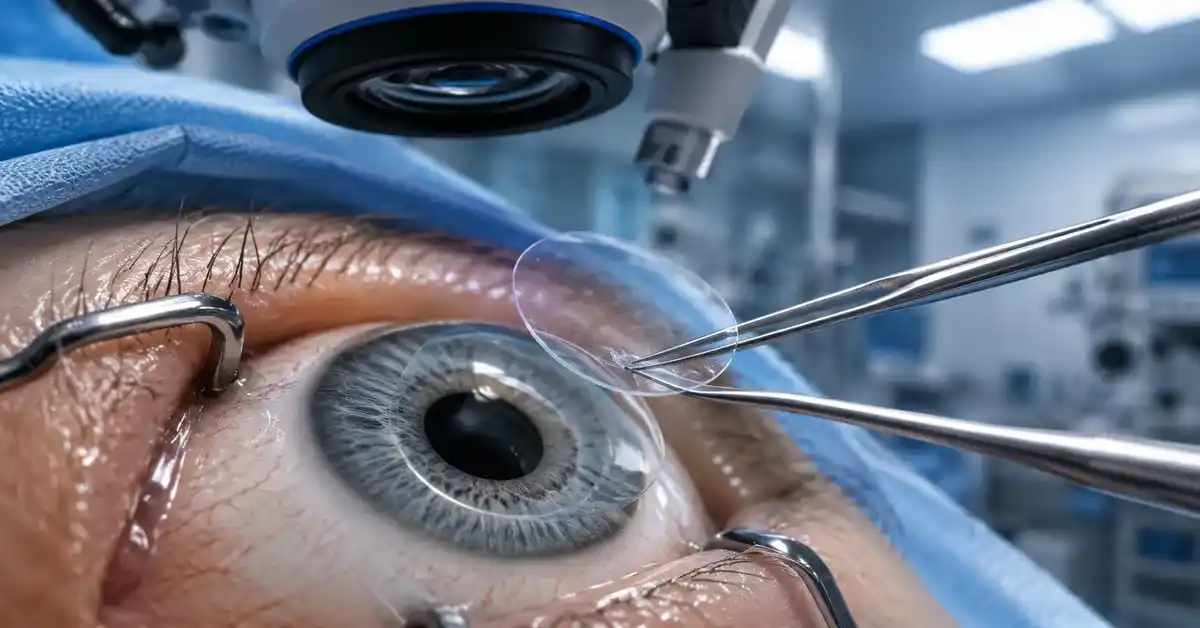
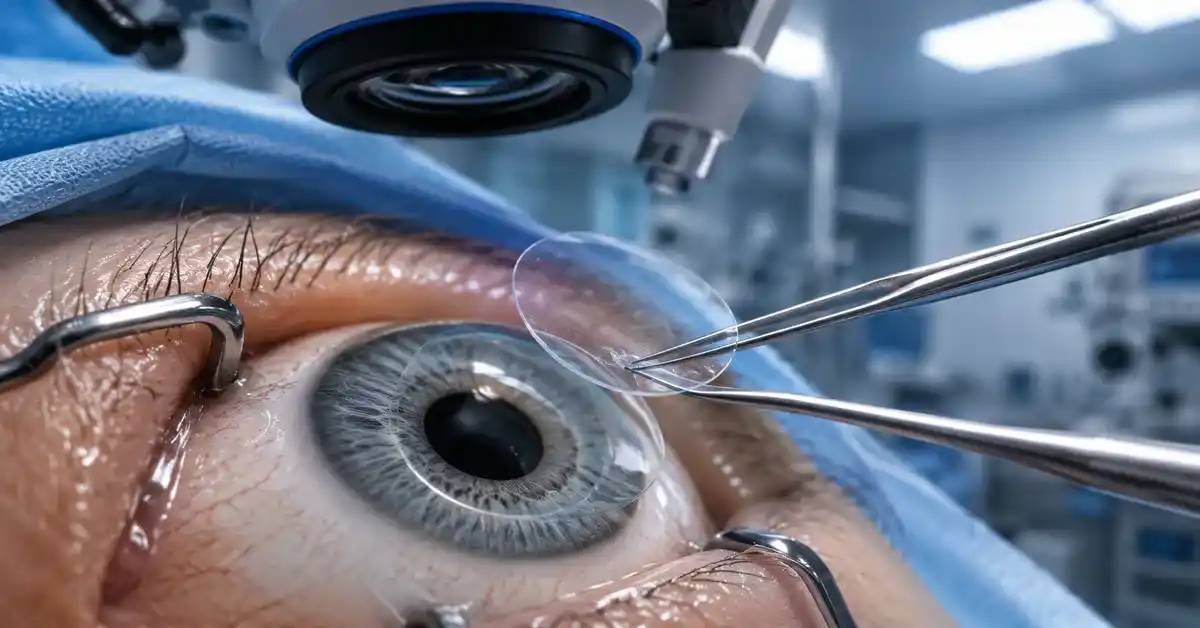
A cornea transplant is a delicate eye surgery used to replace a damaged, cloudy, scarred, or weakened cornea with healthy donor corneal tissue. The cornea is the clear front window of the eye. It helps focus light and allows clear vision. When the cornea loses its transparency, becomes irregular in shape, or becomes too weak, vision can become blurred, distorted, painful, or severely limited.
Not every corneal problem requires surgery. Many patients can be managed with glasses, contact lenses, eye drops, infection treatment, or less invasive procedures. However, when cornea damage becomes advanced and vision can no longer be improved with simpler methods, a cornea transplant may become necessary.
At Safemedigo, cornea transplant planning is approached carefully because the right treatment depends on the layer of the cornea affected, the cause of damage, the condition of the eye, previous surgeries, the patient’s general health, and realistic expectations after surgery. This article explains when a cornea transplant is needed, types of cornea transplant, laser cornea transplant, keratoconus cornea transplant, cornea transplant success rate, cost, recovery, post cornea transplant care, rejection, risks, and possible complications.
Cornea Transplant And When Is a Cornea Transplant Needed
A cornea transplant is a surgical procedure that replaces the damaged cornea or the affected layer of the cornea with healthy donor tissue. The goal may be to improve vision, restore corneal clarity, reduce irregular vision, relieve pain, or protect the eye in advanced cases.
When is a cornea transplant needed? It may be needed when the cornea becomes too cloudy, scarred, swollen, thin, or irregular to allow clear vision. It may also be necessary when eye pain continues because of corneal disease or when the cornea is at risk of serious complications.
The decision is not based on the appearance of the cornea alone. Doctors also consider how much the condition affects vision, daily activities, comfort, and long-term safety of the eye. If glasses, contact lenses, eye drops, or other treatments are no longer enough, transplant options may be discussed.
Cornea Transplant
A cornea transplant, also called corneal grafting, is an operation in which diseased corneal tissue is replaced with healthy donor corneal tissue. The transplant may involve the full thickness of the cornea or only selected layers. This depends on which part of the cornea is damaged.
The cornea has several layers. In some patients, only the front layers are affected. In others, the inner layer responsible for keeping the cornea clear may fail. In more advanced or complex cases, the entire cornea may be damaged. Because of this, different transplant techniques exist.
A cornea transplant can be done to improve vision, reduce pain, or preserve the structure of the eye. However, it is not a simple cosmetic procedure. It requires careful diagnosis, surgical skill, long-term eye care, and regular follow-up to detect rejection or complications early.
When Is a Cornea Transplant Needed
A cornea transplant is needed when corneal damage cannot be adequately corrected with simpler treatments. At first, doctors may recommend glasses, rigid contact lenses, special lenses, eye drops, infection treatment, or other corneal procedures. If these options fail or are no longer appropriate, surgery may be considered.
A cornea transplant may be needed in cases such as:
- Severe corneal clouding.
- Deep corneal scarring.
- Advanced keratoconus.
- Corneal swelling that does not improve.
- Failure of the inner corneal layer.
- Serious corneal thinning.
- Corneal ulcers that leave permanent damage.
- Previous eye surgery complications.
- Eye trauma affecting corneal clarity.
- Painful corneal disease.
- Vision loss due to severe corneal irregularity.
The final decision requires a full eye examination, corneal imaging, vision assessment, corneal thickness measurement, and evaluation of the rest of the eye.
Diseases Requiring Cornea Transplant
Diseases requiring cornea transplant are usually conditions that damage the clarity, shape, thickness, or function of the cornea. Some of these conditions can be treated early without transplant, while others may eventually need surgery if damage becomes permanent.
Conditions that may require cornea transplant include:
- Advanced keratoconus.
- Corneal scars after infection.
- Corneal scars after injury.
- Corneal dystrophies.
- Corneal swelling.
- Failure of the corneal endothelium.
- Severe corneal ulcers.
- Chemical injury in selected cases.
- Complications after previous eye surgery.
- Severe irregular corneal surface.
- Corneal thinning or risk of perforation.
- Painful corneal opacity.
Each disease requires a different treatment plan. The correct type of transplant depends on the affected corneal layer and the goal of surgery.
Types Of Cornea Transplant And Procedures
Types of cornea transplant vary depending on how much of the cornea is damaged. In some patients, the full cornea must be replaced. In others, only the front, middle, or inner layer needs replacement. This allows a more targeted surgical approach in suitable cases.
Choosing the right technique is important. A patient with damage in the front cornea may not need the same operation as a patient with failure of the inner corneal layer. Similarly, keratoconus, scars, swelling, and previous surgical damage may require different approaches.
Before surgery, the patient should understand the recommended type of transplant, whether stitches will be used, how long recovery may take, when vision may improve, and what follow-up will be required.
Types Of Cornea Transplant
The main types of cornea transplant include:
- Full-thickness cornea transplant
This replaces all layers of the central cornea. It may be used when damage affects the full thickness of the cornea or when scarring and opacity are deep and extensive. - Anterior lamellar cornea transplant
This replaces the front layers of the cornea while keeping the healthy inner layer. It may be suitable for some cases of keratoconus or front corneal scarring when the inner layer is still working well. - Endothelial cornea transplant
This replaces the damaged inner layer of the cornea. It may be used when the cornea is swollen because the inner cells no longer keep it clear. - Therapeutic or tectonic cornea transplant
This may be performed to protect the eye, repair dangerous thinning, close severe tissue damage, or relieve pain, not only to improve vision.
There is no single best type for everyone. The best approach is the one that matches the diagnosis and the affected layer of the cornea.
Laser Cornea Transplant
Laser cornea transplant may refer to the use of laser technology during certain steps of corneal cutting or preparation. In some cases, laser-assisted techniques may help create more precise corneal cuts or improve tissue matching. However, not every patient needs laser assistance, and not every cornea transplant is performed with laser.
It is important to understand that laser is not a replacement for the transplant itself. It may be a tool used in selected cases. The decision depends on the corneal condition, thickness, scar pattern, surgical plan, and surgeon preference.
Patients should not choose surgery only because the word “laser” sounds advanced. The safest and most effective method is the one that fits the eye condition. Before surgery, patients should ask whether laser assistance is useful in their case, whether it changes recovery, and whether it affects cost or expected vision.
Keratoconus Cornea Transplant
Keratoconus is a condition in which the cornea gradually becomes thinner and more cone-shaped. This can cause distorted vision, irregular astigmatism, glare, halos, and difficulty seeing clearly with glasses. In early or moderate stages, glasses, specialty contact lenses, or corneal stabilization procedures may help.
A keratoconus cornea transplant may be needed when the disease becomes advanced. This may happen when the cornea becomes very thin, develops scarring, cannot be corrected with contact lenses, or becomes too irregular for good vision.
Not every keratoconus patient needs a transplant. Many patients can avoid transplant with early diagnosis and appropriate treatment. However, when vision becomes severely affected and other options fail, transplant may be considered.
In some keratoconus cases, a partial anterior transplant may be suitable if the inner corneal layer is healthy. In more complex cases, a full-thickness transplant may be needed. The decision depends on corneal imaging and clinical examination.
Cornea Transplant Success Rate And Results
Cornea transplant success rate varies depending on the reason for surgery, type of transplant, eye condition, previous infections, blood vessels in the cornea, patient adherence to eye drops, and early detection of rejection. Many patients achieve meaningful improvement, but expectations must remain realistic.
A successful transplant does not always mean perfect vision immediately. Vision may remain blurred at first and improve gradually over months. Some patients may need glasses, contact lenses, or additional adjustments after the eye stabilizes.
Results also depend on the health of the rest of the eye. If there are problems in the retina, optic nerve, lens, or eye pressure, vision may remain limited even if the transplanted cornea heals well.
Cornea Transplant Success Rate
Cornea transplant success rate is generally better when the eye is calm, there is no active infection, the cornea does not have many abnormal blood vessels, and the patient follows post-operative care instructions carefully. The type of transplant also matters, because some partial transplants may reduce certain risks in suitable cases.
Factors that may improve success include:
- Choosing the right transplant type.
- Treating infection or inflammation before surgery.
- Full eye evaluation before the procedure.
- Using prescribed drops correctly.
- Not stopping medication without medical advice.
- Attending regular follow-up visits.
- Reporting redness, pain, or vision changes early.
- Protecting the eye from injury.
- Managing eye pressure.
- Avoiding eye rubbing.
The expected success rate should be discussed individually because each eye has different risks and goals.
Cornea Transplant Results
Cornea transplant results may include clearer vision, less distortion, improved corneal transparency, reduced pain, or better eye protection in severe cases. The result may take time to appear, especially after a full-thickness transplant or when stitches are used.
After surgery, the patient may need:
- Anti-inflammatory eye drops.
- Antibiotic drops in the early period.
- Eye pressure monitoring.
- Stitch adjustment or removal if needed.
- Glasses or contact lenses after healing.
- Dry eye treatment when necessary.
- Long-term follow-up to detect rejection.
Vision may be blurry in the beginning. This does not always mean the surgery failed. The cornea needs time to heal, settle, and become optically stable.
Is Cornea Transplant Painful
Is cornea transplant painful? The procedure is usually performed under local or suitable anesthesia, so the patient should not feel significant pain during surgery. Some pressure or mild discomfort may be felt depending on the anesthesia method and patient sensitivity.
After surgery, patients may experience a foreign body sensation, tearing, light sensitivity, mild redness, or discomfort. These symptoms are usually expected in the early phase and improve gradually with drops and rest.
Patients should contact the doctor quickly if they develop severe pain, increasing redness, worsening vision, heavy discharge, or strong light sensitivity. These symptoms may indicate a complication that needs urgent evaluation.
To reduce discomfort after surgery:
- Use eye drops exactly as prescribed.
- Do not rub the eye.
- Wear an eye shield if recommended.
- Avoid dust and smoke.
- Avoid swimming until allowed.
- Attend follow-up appointments.
- Report severe pain or sudden vision changes.
Cornea Transplant Cost And Best Surgeons
Cornea transplant cost varies depending on the country, hospital, surgeon, type of transplant, anesthesia, pre-operative tests, donor corneal tissue, medications, follow-up, and whether additional procedures are needed. A single fixed cost cannot apply to all cases.
Choosing the best cornea transplant surgeon should not be based on price alone. Cornea transplant surgery requires experience in corneal diseases, correct diagnosis, selection of the proper transplant type, management of stitches or partial-layer surgery, and long-term monitoring after surgery.
At Safemedigo, patients can receive support in organizing their reports, understanding the proposed treatment plan, preparing key questions, and clarifying what may be included in the cost before making a decision.
Cornea Transplant Cost
Cornea transplant cost usually includes more than the operation itself. It may include consultation, eye tests, corneal imaging, laboratory work, anesthesia, donor tissue, surgery, medications, and follow-up visits. In some cases, additional treatments may be needed before or after surgery.
Factors that affect cost include:
- Type of cornea transplant.
- Full-thickness or partial transplant.
- Use of laser assistance when needed.
- Eye condition before surgery.
- Required diagnostic tests.
- Donor corneal tissue availability.
- Surgeon and medical team experience.
- Type of anesthesia.
- Length of follow-up.
- Post-operative medications.
- Stitch adjustment or removal.
- Other eye diseases.
- Country and medical center.
When comparing cost, patients should ask exactly what is included and what may be charged separately.
Best Cornea Transplant Surgeon
The best cornea transplant surgeon is a specialist who evaluates the eye carefully, explains why surgery is needed, chooses the correct transplant type, and provides a clear follow-up plan. Technical skill is important, but honest communication and realistic expectations are equally important.
Important qualities to look for include:
- Experience with corneal diseases.
- Experience with different transplant techniques.
- Detailed pre-operative evaluation.
- Clear explanation of benefits and risks.
- Realistic expectations.
- Careful post-operative follow-up.
- Ability to manage rejection or complications.
- Attention to patient concerns.
- Clear recovery instructions.
- Explanation of possible need for glasses or lenses later.
Patients should feel that they understand the plan before agreeing to surgery.
Cornea Transplant In Turkey
Cornea transplant in Turkey may be considered by patients looking for specialized eye care and multiple surgical options. However, choosing where to have surgery should depend on medical evaluation, surgeon experience, follow-up availability, transparency, and safety standards.
Before cornea transplant in Turkey, patients should prepare:
- Recent eye report.
- Vision measurement.
- Corneal imaging.
- Previous surgery history.
- Current eye drops and medications.
- Main diagnosis.
- Information about other eye diseases.
- Questions about transplant type.
- Follow-up plan after travel.
- Expected recovery timeline.
Safemedigo helps patients organize these details, prepare questions, and communicate more clearly before treatment.

Recovery Time After Cornea Transplant And Care
Recovery time after cornea transplant depends on the type of surgery and the condition of the eye. Some partial transplants may recover faster than full-thickness transplants, but all cases need careful follow-up and eye drops for the period recommended by the doctor.
Post cornea transplant care is essential to reduce the risk of infection, rejection, high eye pressure, wound problems, and stitch-related issues. Patients must not stop eye drops without medical advice, even if the eye feels comfortable.
Recovery is not only about wound healing. It is also about corneal clarity, visual stability, eye pressure, and long-term graft health. Some patients may need months before vision becomes stable enough for final glasses or contact lenses.
Recovery Time After Cornea Transplant
Recovery time after cornea transplant may range from weeks to months, and visual recovery may take longer depending on the type of operation. In the early days, the focus is on wound healing, infection prevention, and inflammation control. Later, the doctor monitors vision, eye pressure, corneal clarity, and stitches if present.
A general recovery pattern may include:
- First days: rest, eye drops, eye protection.
- First week: wound and inflammation check.
- Following weeks: comfort improves gradually.
- First months: vision, stitches, and pressure are monitored.
- Later months: glasses or contact lenses may be considered.
- Some cases: stitch adjustment or removal may be needed.
- Final visual stability: may take longer depending on the case.
Patients should not rush the result. The cornea needs time to heal and stabilize.
Post Cornea Transplant Care
Post cornea transplant care includes using drops correctly, protecting the eye, avoiding eye rubbing, and attending all follow-up visits. These steps are essential for protecting the transplanted cornea.
Important care instructions may include:
- Use drops exactly as prescribed.
- Do not touch or rub the eye.
- Wear an eye shield if advised.
- Avoid dust and smoke.
- Avoid eye makeup in the early period.
- Avoid swimming until the doctor allows it.
- Avoid heavy lifting early after surgery.
- Do not stop steroid or other drops without advice.
- Contact the doctor for redness, pain, or vision decrease.
- Attend all follow-up appointments.
- Protect the eye from injury.
- Report discharge or severe sensitivity.
Follow-up is important even when the eye feels fine, because some problems may begin quietly.
Cornea Transplant Surgery Duration
Cornea transplant surgery duration is often around one to two hours, but it may vary depending on the type of transplant, eye condition, previous surgeries, and whether additional techniques are used. Partial transplants and full-thickness transplants may differ in steps and timing.
The time spent at the hospital or eye center includes preparation, anesthesia, surgery, monitoring after the procedure, and receiving instructions. Some patients may go home the same day, while others may need longer observation depending on the case.
Before surgery, patients should ask:
- What type of anesthesia will be used?
- How long is the procedure expected to take?
- Will I go home the same day?
- When is the first follow-up visit?
- When do I start eye drops?
- When can I return to work?
- What activities should I avoid?
- When can vision be evaluated?
The answers depend on the type of surgery and the patient’s condition.
Cornea Damage Symptoms And Severity
Cornea damage symptoms may begin with blurred vision, glare, light sensitivity, or frequent change in glasses prescription. Some patients also feel pain, redness, tearing, foreign body sensation, or difficulty wearing contact lenses. Symptoms may develop slowly in conditions such as keratoconus, or suddenly after infection, injury, or chemical exposure.
Symptoms become more serious when there is severe pain, sudden vision loss, strong redness, intense light sensitivity, discharge, or a history of trauma or chemical injury. In these situations, urgent medical evaluation is needed.
Not every symptom means transplant is required. However, persistent or worsening symptoms should be evaluated early. Early diagnosis may allow less invasive treatment before the condition reaches the transplant stage.
Cornea Damage Symptoms
Cornea damage symptoms may include:
- Blurred vision.
- Reduced vision despite glasses.
- Light sensitivity.
- Eye pain or stinging.
- Repeated redness.
- Excessive tearing.
- Foreign body sensation.
- Halos around lights.
- Difficulty driving at night.
- Frequent change in glasses prescription.
- Visible cloudy spot on the cornea.
- Eye strain or headache.
- Contact lens intolerance.
- Gradual or sudden vision worsening.
If these symptoms continue or increase, a corneal specialist evaluation may be needed.
Stages Of Cornea Damage
Stages of cornea damage vary depending on the disease. Some conditions begin with mild surface or shape changes, then progress to irregular vision, scarring, thinning, or clouding. Other conditions may cause sudden damage after infection or injury.
A general progression may include:
- Early stage
Mild blur, small prescription changes, or mild light sensitivity. - Moderate stage
Increasing visual distortion, difficulty with glasses or lenses, and visible changes on examination. - Advanced stage
Scarring, clouding, severe thinning, pain, or vision that no longer improves with standard methods. - Serious stage
Risk of perforation, severe infection, persistent pain, or major vision loss.
Early diagnosis can sometimes prevent progression to surgery.
When Surgery Is Needed
Surgery is needed when non-surgical methods can no longer improve vision, protect the eye, or control pain. Sometimes surgery is recommended to prevent further damage, especially when there is severe thinning, deep scarring, chronic swelling, or risk to the structure of the eye.
Surgery may be recommended if:
- Glasses or contact lenses no longer improve vision.
- The cornea becomes significantly cloudy.
- Deep scars are present.
- Chronic corneal swelling develops.
- Keratoconus becomes advanced.
- Pain continues due to corneal damage.
- Previous eye surgery caused corneal failure.
- The eye is at structural risk.
- Repeated infection has caused permanent damage.
Surgery does not always mean full-thickness transplant. In some cases, partial transplant or other corneal procedures may be more suitable.
Cornea Transplant Rejection And Risks
Cornea transplant rejection is one of the most important complications patients should understand. It occurs when the immune system reacts against the donor corneal tissue. Rejection can happen weeks, months, or even years after surgery, so long-term follow-up is important.
Cornea transplant rejection does not always mean permanent failure if it is detected early. Many cases can be controlled with prompt treatment. However, waiting too long after symptoms appear can increase the risk of graft damage.
Other risks include infection, high eye pressure, bleeding, wound healing problems, stitch issues, astigmatism, delayed visual recovery, or the need for additional surgery. These risks should be discussed before the operation.
Cornea Transplant Rejection
Cornea transplant rejection may cause symptoms that should not be ignored, such as:
- Sudden or gradual decrease in vision.
- Eye redness.
- New pain or discomfort.
- Strong light sensitivity.
- Excessive tearing.
- Increasing haziness.
- Vision change after a period of improvement.
If these symptoms appear, the patient should contact the doctor immediately. Patients should not increase, reduce, or stop drops without medical advice.
To reduce rejection risk:
- Use drops as instructed.
- Do not stop treatment without approval.
- Attend follow-up visits.
- Protect the eye from injury.
- Treat inflammation quickly.
- Report redness or pain early.
- Avoid eye rubbing.
- Follow medical instructions carefully.
Early action can protect the transplanted cornea.
Risks Of Cornea Transplant
Risks of cornea transplant exist like any surgery. Some are minor and treatable, while others require urgent care. The level of risk depends on the eye condition, transplant type, previous infections, blood vessels in the cornea, and patient adherence.
Possible risks include:
- Rejection of the transplanted cornea.
- Eye infection.
- High eye pressure.
- Bleeding.
- Delayed wound healing.
- Rare wound leakage.
- Stitch problems.
- Astigmatism after surgery.
- Long-lasting blurred vision.
- Graft failure.
- Need for another operation.
- Dryness or irritation.
- Sensitivity to some eye drops.
Choosing the right operation and following care instructions can reduce many of these risks.
Complications After Surgery
Complications after surgery may appear early or late. Early complications can include pain, redness, infection, high eye pressure, inflammation, or wound healing problems. Late complications may include rejection, astigmatism, stitch problems, graft failure, or the need for additional correction.
Urgent warning symptoms include:
- Severe eye pain.
- Worsening vision.
- Increasing redness.
- Strong light sensitivity.
- Discharge.
- Significant swelling.
- Severe headache with eye pain.
- Nausea with eye pain.
- Eye trauma.
- Sudden cloudiness.
Regular follow-up helps detect complications early. Cornea transplant care continues long after the operation day.
Conclusion
A cornea transplant becomes necessary when the cornea is damaged, cloudy, scarred, swollen, or irregular to the point that vision cannot be corrected with glasses, contact lenses, drops, or simpler treatments. It may be needed in advanced keratoconus, corneal scarring, endothelial failure, previous infection, trauma, or other diseases that affect corneal clarity and function.
Types of cornea transplant differ according to the affected layer. A patient may need a full-thickness transplant, partial anterior transplant, endothelial transplant, or therapeutic transplant depending on the diagnosis. Recovery time and results vary from one patient to another, and careful post cornea transplant care is essential to reduce rejection and complications.
Frequently Asked Questions: Cornea Transplant: When Is It Needed?
When is a cornea transplant needed?
A cornea transplant is needed when the cornea is too cloudy, scarred, swollen, thin, or irregular to provide useful vision and when glasses, contact lenses, drops, or other treatments are no longer enough. A specialist eye examination is needed before deciding.
What are the types of cornea transplant?
Types of cornea transplant include full-thickness transplant, anterior lamellar transplant, endothelial transplant, and therapeutic transplant in selected cases. The best type depends on which corneal layer is damaged.
Is a cornea transplant painful?
A cornea transplant is usually performed under suitable anesthesia, so significant pain during surgery is not expected. After surgery, mild discomfort, tearing, light sensitivity, or foreign body sensation may occur and usually improves with drops and rest.
What are signs of cornea transplant rejection?
Signs of cornea transplant rejection may include reduced vision, redness, new pain, strong light sensitivity, excessive tearing, or increasing haziness. These symptoms require urgent contact with the doctor.
How long is recovery after a cornea transplant?
Recovery varies by transplant type and eye condition. Comfort may improve within weeks, but visual stability can take months. Full-thickness transplants or cases with stitches may require longer follow-up before final vision correction.
