








Breathing effortlessly through the nose is something many take for granted, but for millions worldwide suffering from chronic sinusitis, this simple act becomes a daily struggle. Chronic sinusitis, a condition where symptoms persist for more than 12 weeks, significantly impacts quality of life, causing persistent facial pain, stubborn congestion, headaches, and overall fatigue. This is not merely a prolonged cold; it is a complex inflammatory condition that demands a deep understanding and accurate diagnosis to achieve an effective resolution.
When conventional treatments like antibiotics, nasal steroid sprays, and antihistamines fail to provide lasting relief, many patients feel frustrated and hopeless. The difficult days accumulate, and the ability to work, concentrate, and even enjoy daily activities is compromised. This is where modern medicine steps in to offer advanced solutions that go beyond medication. Functional Endoscopic Sinus Surgery (FESS) has revolutionized the treatment of these refractory cases, providing a minimally invasive, precise approach to restore natural sinus function and radically improve breathing.
In this detailed guide, we will delve into the world of chronic sinusitis problems, exploring their causes and symptoms, and clarifying when surgical solutions become necessary. We will highlight advanced endoscopic sinus treatment techniques, their benefits, and what to expect during the recovery period. At Safemedigo, we believe that knowledge is the patient's power, and we aim to provide you with a comprehensive understanding of your treatment options, helping you make informed decisions in collaboration with your medical team to reclaim the comfort of clear breathing and the life you deserve.
Understanding Chronic Sinusitis
Chronic sinusitis is one of the most common and bothersome medical conditions, affecting a person's ability to breathe normally and causing a range of debilitating symptoms.
What is chronic sinusitis?
Chronic sinusitis, medically known as chronic rhinosinusitis, is an inflammatory condition affecting the air-filled cavities within the skull bones (the paranasal sinuses). This condition is characterized by persistent inflammation and swelling of the sinus lining for 12 weeks or longer, despite treatment attempts. This inflammation blocks the natural drainage openings of the sinuses, preventing mucus from exiting and leading to its accumulation. This creates an ideal environment for bacterial growth and further exacerbates the inflammation, perpetuating a vicious cycle of chronic sinusitis.
Chronic sinusitis symptoms
The chronic sinusitis symptoms can vary in severity from person to person. For a diagnosis, a patient must have at least two of the following four major symptoms persistently:
- Nasal obstruction or congestion: A feeling of blockage or stuffiness that makes breathing through the nose difficult. This is a hallmark symptom.
- Thick, discolored nasal discharge: The drainage may be yellow or greenish and can run from the nose (anterior rhinorrhea) or down the back of the throat (post-nasal drip).
- Facial pain and pressure: A sense of fullness, tenderness, or pain in the forehead, around the eyes, on the sides of the nose, or in the upper jaw and teeth.
- Reduced or absent sense of smell and taste: Patients may notice a decreased ability to detect odors or taste food.
In addition to these primary symptoms, patients may also experience headaches, bad breath, ear pain, general fatigue and malaise, and a cough that often worsens at night.
Chronic sinusitis causes
There is no single cause for chronic sinusitis; rather, it is the result of a complex interplay of several factors. Potential chronic sinusitis causes may include the presence of nasal polyps (growths on the sinus lining), a deviated nasal septum, recurrent respiratory infections, allergies, or an abnormal immune response to fungi in the environment. The goal of treatment is to identify and effectively address these underlying contributing factors.
Causes and Risk Factors of Chronic Sinusitis
Chronic sinusitis arises from a combination of factors that contribute to persistent inflammation and blockage.
Common causes of chronic sinusitis
The main factors that increase the risk of developing chronic sinusitis include:
- Nasal Polyps: These are benign growths on the lining of the nose or sinuses that can block the drainage channels.
- Deviated Nasal Septum: When the thin wall between your nasal passages (septum) is crooked, it can obstruct or block sinus drainage.
- Respiratory Tract Infections: Frequent colds or the flu can cause inflammation and swelling of the sinus membranes, leading to blockage.
- Asthma: There is a strong link between asthma and chronic sinusitis, with many people having both conditions.
- Exposure to Irritants: Cigarette smoke, polluted air, and strong chemicals can irritate the nasal passages and cause chronic inflammation.
Risk factors contributing to chronic sinusitis
The relationship between chronic sinusitis and allergies is well-established. Allergies, such as hay fever, can cause chronic inflammation in the nasal passages and sinuses. The allergic reaction leads to swelling of the mucous membranes and increased mucus production, resulting in the same blockage mechanism that drives sinusitis. Therefore, controlling allergies is a fundamental part of chronic sinusitis management for many patients.
Chronic sinusitis complications
Although rare, chronic sinusitis complications can be serious if the condition is not treated properly. These complications may involve the spread of infection to adjacent areas, leading to:
- Vision problems: If the infection spreads to the eye socket, it can cause reduced vision or even permanent blindness.
- Meningitis or brain abscess: In very rare cases, the infection can travel to the brain, causing life-threatening medical emergencies.
- Osteomyelitis: An infection of the facial bones.
These potential complications underscore the importance of seeking effective treatment for the condition.
When to Consider Endoscopic Sinus Surgery
When conservative treatments fail to control symptoms, surgical intervention becomes an important option to consider.
Signs that indicate the need for endoscopic sinus treatment
Endoscopic sinus surgery is typically considered when severe symptoms persist despite maximal medical therapy for several months. Signs that may indicate the need for surgery include:
- Failure of multiple courses of antibiotics to resolve the infection.
- Persistent, bothersome symptoms that significantly impact quality of life.
- The presence of clear structural abnormalities on a CT scan, such as large nasal polyps or a severe deviated septum.
- Recurrent episodes of acute sinusitis (more than 4 episodes per year).
This is a key part of the chronic sinusitis diagnosis process.
Chronic sinusitis complications that warrant surgery
In some cases, surgery is necessary not just to improve symptoms but to prevent or treat serious complications. If the infection begins to spread outside the sinuses, such as in orbital cellulitis or a suspected abscess, surgery becomes an urgent procedure to drain the infection and prevent permanent damage. If you are experiencing severe and persistent symptoms, getting an expert evaluation is crucial.

Endoscopic Sinus Surgery and Advanced Solutions
Modern surgery aims to restore sinus function with minimal intervention.
Endoscopic sinus surgery procedures
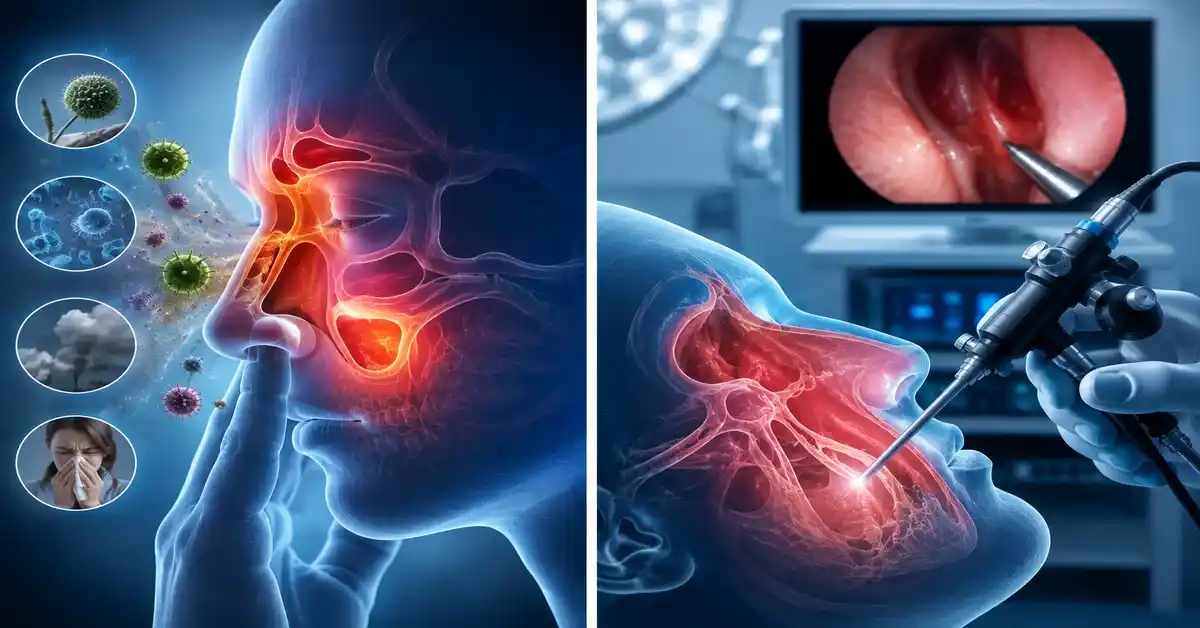
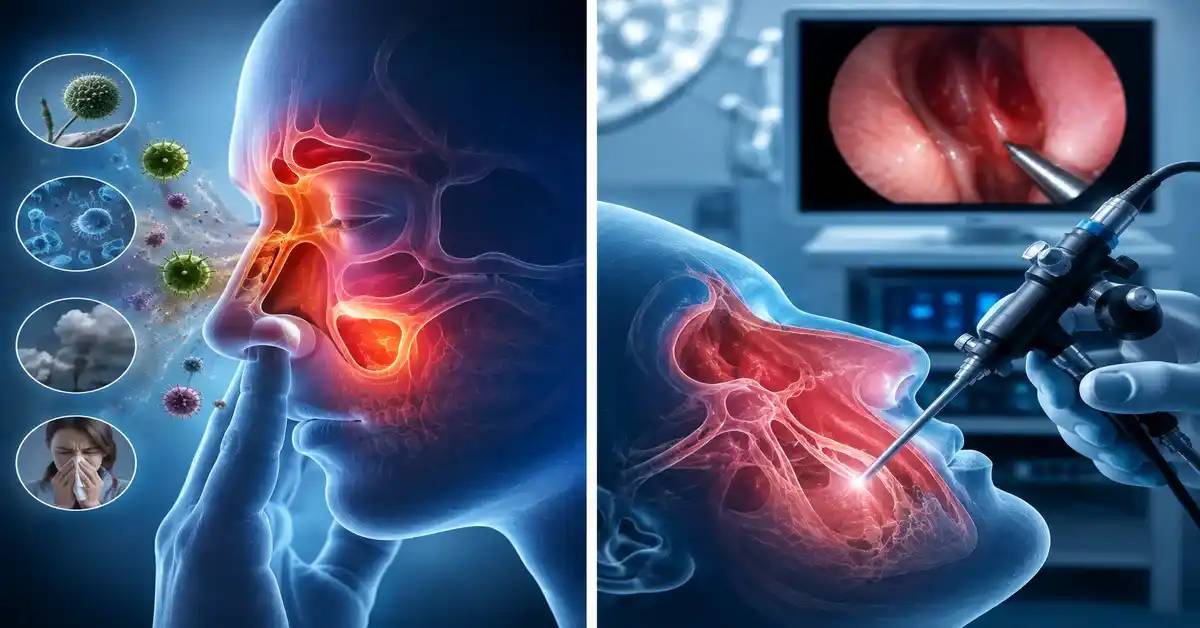
Functional Endoscopic Sinus Surgery (FESS) is the gold standard for the surgical treatment of chronic sinusitis. This procedure is performed using an endoscope (a thin tube with a camera and light) inserted through the nostrils, eliminating the need for any external facial incisions. The surgeon views magnified, high-definition images of the nasal and sinus passages on a screen, allowing them to precisely remove inflamed tissue, polyps, or bone that are blocking the natural drainage pathways of the sinuses. This is a key form of chronic sinusitis ENT treatment.
Sinusitis endoscopy benefits
Sinusitis endoscopy offers several advantages over traditional open surgeries:
- Minimally Invasive: There are no external cuts, which means no visible scars and less postoperative pain.
- High Precision: The endoscope allows the surgeon to see delicate structures clearly and avoid damaging them.
- Faster Recovery: The healing period is generally shorter, and most patients can return to their normal activities within a few days to a week.
- Preservation of Healthy Tissue: The goal is to remove only the obstruction while preserving as much normal tissue as possible, which helps restore sinus function more effectively.
Chronic sinusitis surgery recovery
While generally safe, endoscopic sinus surgery carries some risks, as with any surgical procedure. Potential, though rare, complications include bleeding, infection, and the formation of scar tissue that might re-block the sinuses. In very rare instances, damage to adjacent structures like the eye or the base of the skull can occur. Choosing a skilled and experienced surgeon significantly minimizes these risks. The chronic sinusitis surgery recovery process is a critical phase for a successful outcome.
Treatment and Management Options for Chronic Sinusitis
Even after surgery, ongoing medical therapy remains an important part of long-term management.
Chronic sinusitis treatment approaches
The chronic sinusitis treatment aims to control inflammation and treat any underlying infection. This includes:
- Nasal Steroid Sprays: To reduce inflammation directly in the nasal passages.
- Saline Nasal Rinses: To wash out mucus and allergens from the nasal passages.
- Antihistamines: If allergies are a contributing factor.
- Antibiotics: For a confirmed bacterial infection.
- Oral Corticosteroids: May be prescribed for a short period in cases of severe inflammation, especially with nasal polyps.
Chronic sinusitis therapy (non-surgical)
Non-surgical chronic sinusitis therapy is the first line of defense. The goal is to reduce sinus inflammation, promote drainage, and eradicate infections. This multi-faceted approach often provides significant relief and can, in many cases, prevent the need for surgery. Consistent use of prescribed medications is key to managing the condition effectively.
Chronic sinusitis relief measures
For immediate chronic sinusitis relief, patients can use over-the-counter decongestants for short periods, apply warm compresses to the face to ease pressure, and use a humidifier to keep the air moist. Steam inhalation can also help to loosen mucus and soothe inflamed nasal passages. These measures can complement the prescribed medical treatment.
Post-Surgery Care and Recovery
Proper care after surgery is vital to ensure the best results and prevent recurrence.
Endoscopic sinus surgery recovery tips
To promote healing, follow these endoscopic sinus surgery recovery tips:
- Adhere to your doctor's instructions regarding nasal rinses and medications.
- Stay well-hydrated by drinking plenty of fluids.
- Sleep with your head elevated on extra pillows to reduce congestion.
- Avoid irritants like cigarette smoke and dust.
- Use a humidifier at home to keep the nasal passages moist.
Chronic sinusitis care after surgery
After surgery, your medical team will focus on keeping the nasal passages clean and open. Chronic sinusitis care typically involves using saline sprays or performing nasal irrigation several times a day to remove crusts and mucus. Your doctor may also prescribe steroid nasal sprays to reduce inflammation and prevent polyps from recurring. It is crucial to attend all follow-up appointments, during which the doctor may clean the sinuses in the office (a procedure called debridement) to remove any early scar tissue.
Nasal congestion management and sinus drainage after surgery
After surgery, regular nasal irrigation with a saline solution is the most effective way to manage congestion and promote chronic sinusitis sinus drainage. This procedure helps remove crusts, mucus, and old blood, which speeds up the healing process and prevents adhesions from forming.
Preventing Chronic Sinusitis and Maintaining Nasal Health
Prevention is key to maintaining good results after treatment and avoiding the return of problems.
Practices to avoid chronic sinusitis recurrence
Healthy habits include washing hands regularly to avoid respiratory infections, managing allergies effectively, and avoiding smoking or exposure to secondhand smoke. Treating associated medical conditions such as asthma and gastroesophageal reflux disease can also help reduce sinus inflammation.
Chronic sinusitis for nasal congestion prevention
Maintaining clear nasal breathing is essential. The nose acts as a filter and humidifier for the air we breathe. When the nose is blocked, we resort to mouth breathing, which bypasses these protective functions and increases the risk of throat and lung infections. Effective treatment for chronic sinusitis for nasal congestion not only improves symptoms but also restores healthy nasal breathing function.
Long-term sinus health maintenance
To maintain long-term sinus health, continue using saline rinses and steroid sprays as directed by your doctor. Stay hydrated, eat a balanced diet, and exercise regularly to boost your immune system. Regular follow-up with your ENT specialist is essential to monitor the condition and intervene early if any signs of recurrence appear.
Read about: Chronic Sinus Problems: Turkey vs USA
Conclusion
In conclusion, chronic sinusitis problems represent a significant burden on the lives of millions, but no one should have to accept living with constant pain and congestion as a given. Advances in diagnosis and treatment, especially in the field of endoscopic sinus surgery, have opened new avenues for healing and provided a lasting, effective solution for many patients who have not responded to traditional therapies.
The key to success lies in a comprehensive approach that not only treats the symptoms but also seeks to address the root causes of the problem, whether they are anatomical, allergic, or inflammatory. The combination of appropriate medical therapy, precise surgical intervention when needed, and a commitment to long-term post-treatment care is what ensures the restoration of normal sinus function and the ability to breathe freely and comfortably.
If you are suffering from unrelenting symptoms of chronic sinusitis, it is time to take a step towards a solution. At Safemedigo, our team of experts is committed to providing a thorough evaluation and advanced treatment options tailored to your specific condition. Do not let sinus problems control your life any longer. Contact us today via WhatsApp to begin your journey toward clear breathing and a better life.
Frequently Asked Questions: Chronic Sinusitis Problems and Advanced Endoscopic Solutions
Is endoscopic sinus surgery painful?
The surgery is performed under general anesthesia, so you will not feel any pain during the procedure. After surgery, the discomfort is usually mild to moderate and feels like severe pressure or congestion. This can be effectively managed with pain medication prescribed by your doctor.
Will nasal polyps come back after they are removed?
There is a possibility that nasal polyps can recur, especially in patients with severe allergies or asthma. However, precise surgery followed by diligent ongoing medical care, such as the use of nasal steroid sprays and saline rinses, significantly reduces the risk of recurrence.
When can I return to work after sinus surgery?
Most patients with desk jobs return to work within 3 to 5 days. If your job involves heavy physical exertion, you may need a longer rest period of up to two weeks. Your surgeon will provide specific recommendations based on your condition.
Will I need packing in my nose after surgery?
In the past, nasal packing was common but uncomfortable for patients. Today, with advanced surgical techniques, many surgeons avoid using packing altogether or use dissolvable packing that disappears on its own, making the recovery period much more comfortable.
Can treating sinusitis improve my snoring or sleep apnea?
Yes, in many cases. Chronic nasal congestion is a major cause of snoring and mouth breathing during sleep. By opening the nasal passages and improving airflow, sinus surgery can significantly reduce snoring and improve symptoms of mild to moderate obstructive sleep apnea.