





Tooth pain is one of the most difficult symptoms to ignore, but it does not represent a single disease and is not always caused by a cavity. Pain may originate from dentin, the dental pulp, the gums, tissues around the root, the jaw joint, or even structures outside the mouth.
The pattern of pain often provides useful clues. A brief sharp sensation after a cold drink is different from spontaneous throbbing pain that wakes a person at night. Pain during biting also suggests a different set of possibilities from generalized gum discomfort.
Temporary measures can reduce symptoms, but pain relief does not remove the underlying cause. Persistent or worsening toothache should therefore be evaluated before a relatively small dental problem progresses to severe inflammation, abscess formation, or loss of additional tooth structure.
Why Tooth Pain Occurs and What the Pain Pattern Means
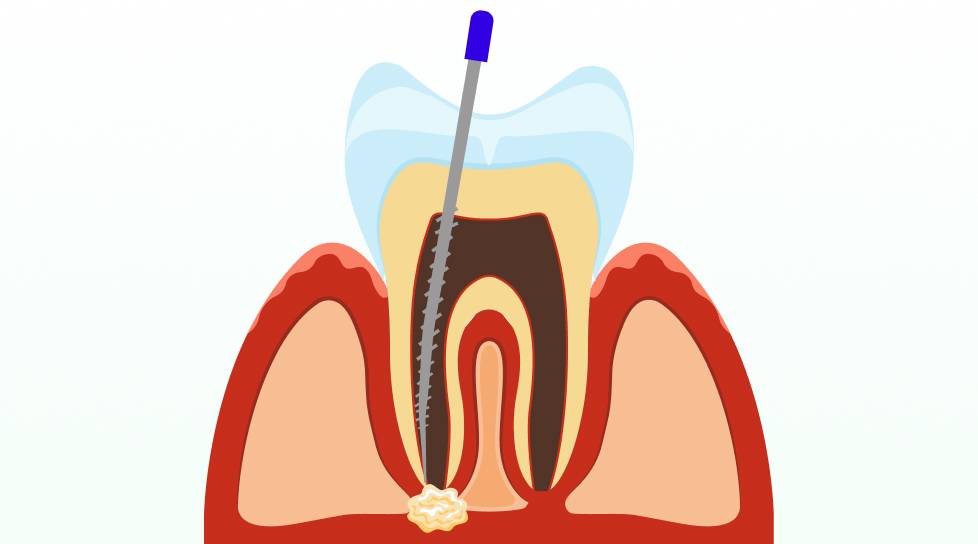
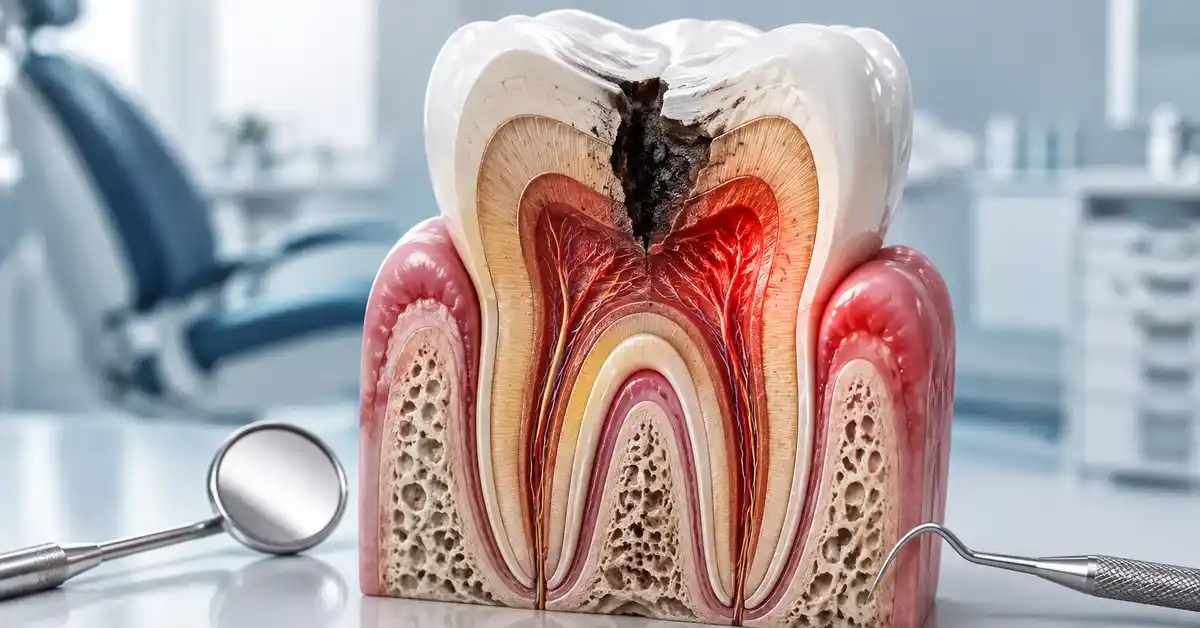
Different parts of a tooth respond differently to disease. Enamel itself does not contain nerves, but exposed dentin can become sensitive and inflammation within the pulp can produce intense pain. Tissues around the root may also become painful when inflammation or excessive biting pressure develops.
Brief Sensitivity Versus Persistent Toothache
Brief pain caused by cold drinks or sweets may occur with dentin sensitivity or a cavity that has not severely affected the pulp.
Pain that continues after the stimulus disappears, develops spontaneously, or becomes especially severe at night may indicate deeper pulpal inflammation.
Patterns worth noting include:
- Brief cold sensitivity.
- Lingering hot or cold pain.
- Spontaneous throbbing.
- Pain during biting.
- Generalized sensitivity affecting several teeth.
- Tooth pain associated with gum or facial swelling.
Why Can It Be Difficult to Identify the Painful Tooth?
Dental pain can be referred from one tooth to another because nearby structures share sensory pathways. A patient may point to several teeth even when only one is responsible.
Upper teeth may also feel painful during significant sinus inflammation, while jaw-muscle tension or nighttime clenching can be mistaken for dental pain.
For this reason, treatment should not be planned solely according to where the patient feels the pain.
How Is the Cause Identified?
The dental assessment considers:
- When the pain started.
- Whether it is spontaneous or triggered.
- How long it lasts after cold or heat.
- Whether biting makes it worse.
- Whether swelling or abnormal taste is present.
- Whether the tooth was recently restored or injured.
- Whether clenching or grinding occurs.
The examination may then be supported by vitality tests and dental imaging.
Read about: Non-Surgical Dental Implant Techniques Available in Turkey
The Most Common Causes of Toothache
Pain may arise from the tooth itself or from tissues around it. Some causes progress slowly, while fractures and acute inflammation can produce sudden symptoms.
Dental Decay and Pulp Inflammation
Early decay may damage enamel without producing pain. Once it reaches dentin, sensitivity to sweets or temperature becomes more likely.
When bacteria and inflammation approach or enter the dental pulp, symptoms may become stronger. Mild irritation may sometimes resolve after the decay is removed, while irreversible pulpal inflammation may require root canal treatment or another definitive procedure.
Important symptoms include:
- Lingering cold sensitivity.
- Strong heat sensitivity.
- Spontaneous attacks of pain.
- Pain that interrupts sleep.
- Repeated need for pain medication.
- Increasing pressure or throbbing.
Gum Infection, Dental Abscess, and Wisdom Teeth
Pain does not always originate from the pulp. Inflamed gum tissue, deep periodontal pockets, or infection around a partially erupted wisdom tooth can cause significant discomfort.
An abscess may develop around the end of a root or within supporting tissues. Symptoms can include swelling, tenderness during biting, drainage, or an unpleasant taste.
Antibiotics alone do not eliminate every dental abscess. The source may require drainage, root canal treatment, periodontal care, or tooth extraction.
Cracked Teeth, Restorations, and Clenching
A tooth may crack after biting something hard, around a large old restoration, or after years of heavy biting pressure. Some cracks are extremely small and difficult to see.
Pain may appear:
- While biting hard food.
- When releasing biting pressure.
- With cold drinks.
- With sweets.
- When pressure is applied to one specific part of the tooth.
A recently placed restoration that is slightly high can also create biting pain, while nighttime grinding can produce morning tooth, jaw, and muscle discomfort.
Read about: Same-Day Dental Implants: Is It Possible?
How Different Toothache Patterns Suggest Different Causes
Pain characteristics help guide the examination but do not provide a final diagnosis. Different dental conditions may produce similar symptoms, and more than one problem can coexist.
Toothache Pattern Comparison
| Pain pattern | Possible causes | Recommended response |
|---|---|---|
| Brief cold sensitivity | Dentin sensitivity, gum recession, early decay | Examine if persistent or worsening |
| Lingering temperature pain | Deeper pulpal inflammation | Arrange prompt dental assessment |
| Spontaneous throbbing | Significant pulp inflammation or infection | Seek rapid evaluation |
| Pain on biting | Root inflammation, crack, high filling | Dental examination and imaging |
| Pain with swelling | Abscess or spreading infection | Urgent assessment |
| Pain around wisdom tooth | Inflamed tissue around eruption | Cleaning and dental evaluation |
| Several painful upper teeth with congestion | Possible sinus contribution | Assess dental and associated symptoms |
| Morning jaw and tooth pain | Grinding or clenching | Evaluate bite and jaw muscles |
Tooth Sensitivity
Sensitivity commonly causes brief sharp pain when the tooth is exposed to cold air, drinks, or sweet foods. Possible causes include gum recession, exposed root surfaces, enamel wear, or aggressive brushing.
Desensitizing toothpaste and gentler brushing may help, but sensitivity isolated to one tooth or gradually becoming worse should be examined for decay or a crack.
Gum and Jaw Pain That Mimics Toothache
Gum inflammation can create pressure and soreness around several teeth, especially when bleeding and swelling are present. Food trapped between teeth can also cause highly localized pain.
Grinding or clenching may produce:
- Morning jaw stiffness.
- Temple headaches.
- Sensitivity affecting multiple teeth.
- Worn tooth edges.
- Jaw-joint discomfort.
When no obvious tooth problem is found, the gums, bite, joint, and muscles should also be assessed.
Read about: Natural Ways to Strengthen Teeth Before Veneers or Lumineers
Safe Temporary Management of Tooth Pain
Home measures should reduce discomfort only until proper dental evaluation is available. A tooth can remain diseased even when pain temporarily disappears.
What Can Be Done Before the Dental Appointment?
Useful temporary measures include:
- Brush gently to remove plaque and food debris.
- Floss carefully if food is trapped between teeth.
- Rinse with warm salt water when the gums are irritated.
- Avoid chewing on the painful side.
- Avoid foods or drinks that trigger temperature sensitivity.
- Use an appropriate pain reliever if medically safe and according to professional or label guidance.
- Sleep with the head slightly elevated if throbbing worsens while lying flat.
- Arrange a dental examination rather than relying repeatedly on medication.
A cold compress placed externally may help when swelling is present. Ice should not be applied directly to the skin.
What Should Be Avoided?
Avoid:
- Placing aspirin directly on the tooth or gum.
- Using strong chemicals inside a cavity.
- Attempting to puncture an abscess.
- Applying intense heat to facial swelling.
- Taking leftover antibiotics from a previous illness.
- Exceeding recommended pain-reliever doses.
- Assuming that temporary pain relief means the tooth has healed.
Antibiotics do not repair cavities or damaged dental pulp.
What If the Toothache Suddenly Disappears?
Pain may stop even though the underlying disease remains. A severely damaged pulp can lose vitality, after which infection may progress around the root without the same type of pain.
A dental assessment is particularly important if the previous pain was severe, recurrent, associated with biting, required repeated analgesics, or occurred together with swelling.

Dental Treatment According to the Cause of Pain
There is no universal treatment for toothache. Dental treatment focuses on eliminating the source while preserving the tooth whenever a predictable and functional restoration remains possible.
Treatment of Cavities and Pulp Disease
A cavity that has not irreversibly damaged the pulp may be cleaned and restored with an appropriate filling.
When the pulp is irreversibly inflamed or infected, root canal treatment may be needed. The internal canals are cleaned, disinfected, and sealed, after which the tooth is restored to protect it from fracture.
Extraction may be more appropriate when a tooth:
- Cannot be predictably restored.
- Has an untreatable deep fracture.
- Has severe loss of supporting bone.
- Cannot reasonably receive successful endodontic treatment.
Treatment of Abscesses and Gum Disease
Treatment depends on the source of infection. Options may include drainage, root canal treatment, periodontal cleaning, or extraction.
Antibiotics may be used when infection is spreading or systemic signs are present, but they do not replace elimination of the dental source.
Gum disease may require professional removal of deposits above and below the gums, improved home cleaning, and further periodontal treatment depending on severity.
Treatment of Sensitivity, Cracks, and Grinding
| Problem | Possible management |
|---|---|
| Exposed-root sensitivity | Desensitizing toothpaste, protective materials, treatment of recession cause |
| Enamel wear | Habit modification and restoration when necessary |
| High restoration | Bite adjustment |
| Limited crack | Restoration or coverage depending on depth |
| Crack involving the pulp | Root canal treatment may be required |
| Non-restorable fracture | Extraction may be necessary |
| Tooth grinding | Night guard and management of contributing factors |
When Tooth Pain Is Urgent and How to Prevent Recurrence
Most toothaches require dental assessment, but some symptoms demand urgent attention because dental infections can spread into surrounding facial and neck spaces.
Warning Signs That Need Urgent Care
Seek prompt assessment for:
- Significant facial or jaw swelling.
- Fever associated with dental pain.
- Persistent pus or unpleasant drainage.
- Rapidly worsening severe pain.
- Difficulty opening the mouth.
- Swelling extending toward the eye or neck.
- Feeling systemically unwell with a dental infection.
Difficulty breathing or swallowing, rapidly increasing swelling under the jaw or in the neck, or swelling affecting the tongue requires immediate emergency medical care.
Preventing Future Toothache
Risk can be reduced through:
- Effective gentle brushing twice daily.
- Daily cleaning between the teeth.
- Reducing frequent sugar exposure.
- Routine dental examinations before symptoms develop.
- Treating small cavities before they reach the pulp.
- Investigating persistent gum bleeding.
- Using appropriate protection during contact sports.
- Managing damaging tooth grinding.
- Repairing broken teeth and failed restorations early.
Why Early Dental Assessment Matters
Small problems generally allow more conservative treatment. A limited cavity may need a simple restoration, while waiting until severe pain develops may lead to root canal treatment, a crown, or tooth loss.
The same principle applies to gum disease and cracks: earlier diagnosis usually provides more options for preserving the tooth.
Read about: How to Choose the Best Clinic for a Painless Hollywood Smile
Conclusion
Tooth pain can range from brief sensitivity to severe pulpal inflammation or infection. The duration, triggers, and associated swelling provide useful information, but a clinical examination is needed to identify the actual source.
Temporary measures and appropriate pain relief can make symptoms more manageable, but definitive treatment may involve a filling, root canal procedure, periodontal treatment, bite adjustment, repair of a crack, or extraction depending on the diagnosis.
Frequently Asked Questions: Causes of Tooth Pain and How to Manage It Effectively
Why does toothache feel worse at night?
Throbbing may feel more noticeable when lying down, and reduced distraction at night can also increase awareness of pain. Recurrent nighttime pain needs evaluation.
Does every toothache mean there is a cavity?
No. Gum disease, exposed roots, cracked teeth, grinding, wisdom-tooth inflammation, and other conditions can also cause dental pain.
Does toothache always require antibiotics?
No. Many pulp and cavity problems require treatment of the tooth itself. Antibiotics are reserved for situations in which they are medically indicated.
Can nerve pain disappear without treatment?
It can temporarily disappear if severely damaged pulp loses vitality, but infection may continue around the root. Pain relief alone does not confirm healing.
When is dental swelling dangerous?
Facial swelling needs prompt evaluation. Difficulty breathing or swallowing or rapidly spreading neck swelling requires emergency medical care.