





Breast cancer is not one single disease. It includes biologically different tumors with different growth patterns, recurrence risks, and responses to treatment. Cancer may begin in the milk ducts or lobules and remain localized or become invasive and capable of spreading to lymph nodes and distant organs.
There is usually no single identifiable cause in an individual patient. Breast cancer develops through cellular changes, while age, inherited susceptibility, reproductive and hormonal exposure, breast density, and lifestyle factors can modify risk. A person can still develop breast cancer without an obvious major risk factor.
Modern treatment is increasingly determined not only by tumor size and stage but also by biological features such as estrogen receptor, progesterone receptor, HER2 expression, and selected genomic or molecular alterations.
Breast Cancer Causes and Factors That Increase Risk
Breast cancer forms when abnormal cells acquire the ability to divide without normal control and, in invasive disease, penetrate surrounding tissue. The precise trigger for those changes cannot usually be identified in one person.
Age, Hormonal Exposure, and Breast Density
Increasing age is one of the strongest established risk factors. Longer lifetime exposure to endogenous hormones through certain reproductive patterns can also influence risk.
Dense breast tissue is independently associated with increased risk and can also make mammography more difficult to interpret.
Genetics and Family History
Inherited pathogenic variants in genes such as BRCA1, BRCA2, PALB2, TP53, PTEN, and several others can substantially increase breast cancer susceptibility. Genetic counseling and testing may therefore be considered when personal or family history suggests inherited risk.
A family history does not automatically mean that an inherited mutation is present, and breast cancer can occur without any family history.
Modifiable Risk Factors
Alcohol consumption is associated with increased breast cancer risk, while physical activity and maintaining a healthy weight form part of risk-reduction strategies. No lifestyle change can guarantee prevention.
Breast Cancer Symptoms and the Role of Early Detection
Breast cancer can be identified on screening before symptoms develop or present as a new breast or nipple change. Many breast lumps are benign, but persistent new changes require assessment.
Breast Changes That Require Assessment
Concerning findings can include:
- A new breast or underarm lump.
- Persistent thickening.
- Change in breast shape or size.
- Skin dimpling or puckering.
- New nipple inversion.
- Unusual or bloody nipple discharge.
- Persistent nipple or areolar skin changes.
- Rapid unexplained redness or swelling.
- Enlarged lymph nodes in the axilla or around the collarbone.
Inflammatory breast cancer can present with rapid redness, swelling, and orange-peel-like skin rather than a discrete palpable lump.
Mammography and Earlier Detection
Screening mammography can identify tumors before they become palpable and has been shown to reduce breast cancer mortality in appropriate age groups.
Screening schedules should reflect age and individual risk rather than assuming one identical strategy fits everyone.
Breast MRI in Higher-Risk Patients
MRI can supplement other imaging in selected people at increased risk and can also contribute to assessment after a breast abnormality or cancer diagnosis. It is not a routine replacement for mammography in all patients.
Diagnosing Breast Cancer From Imaging to Tissue Biopsy
When a breast abnormality is discovered, imaging helps characterize the finding and guide further testing. Definitive cancer diagnosis generally requires tissue when imaging remains suspicious.
Mammography, Ultrasound, and MRI
| Test | Common role |
|---|---|
| Mammography | Detects masses, calcifications, and structural changes |
| Ultrasound | Characterizes masses and guides many biopsies |
| MRI | Provides additional assessment in selected situations |
| Staging imaging | Used when disease characteristics justify evaluating distant spread |
An abnormal imaging result does not automatically mean cancer.
Why the Biopsy Matters
A tissue sample allows pathologists to determine whether cancer is present and characterize the tumor.
The biopsy can provide information on:
- Histological type.
- Tumor grade.
- Hormone receptors.
- HER2.
- Other clinically relevant biomarkers.
Lymph Nodes and Cancer Stage
After diagnosis, staging describes how much disease is present in the breast, regional lymph nodes, and potentially other organs.
The need for additional body imaging is individualized according to tumor burden, symptoms, and clinical risk rather than automatically performed identically in every early-stage case.
ER, PR, HER2, and the Biological Type of Breast Cancer
Biomarker testing is central to modern breast cancer care because two tumors of similar size can require very different treatments.
ER, PR, and HER2 are among the most important routinely tested markers.
Hormone-Receptor-Positive Breast Cancer
Tumors expressing estrogen or progesterone receptors can often be treated with therapies that reduce hormone production or block hormone signaling.
Endocrine treatment can substantially reduce recurrence risk in appropriately selected hormone-sensitive disease.
HER2-Positive, HER2-Low, and HER2-Ultralow Disease
HER2-positive tumors have high HER2 expression or gene amplification and can respond to HER2-directed therapy.
The development of antibody-drug conjugates has made lower levels of HER2 expression therapeutically relevant in some advanced cancers. Treatment indications expanded in 2025 to include selected HR-positive HER2-low and HER2-ultralow metastatic disease after endocrine therapy.
Triple-Negative Breast Cancer and Genomic Testing
Triple-negative breast cancer lacks ER, PR, and HER2 positivity and therefore requires different systemic strategies.
Genetic and genomic testing can also affect treatment. In selected HR-positive/HER2-negative early cancers, genomic-expression tests can help estimate recurrence risk and the likely value of chemotherapy, while inherited mutation testing may identify patients eligible for specific targeted strategies.

Surgery, Radiation, and Systemic Treatment for Early Breast Cancer
Treatment is individualized according to stage and biology. Some patients undergo surgery first, while others receive systemic therapy before surgery to shrink the tumor and assess treatment response.
Breast-Conserving Surgery Versus Mastectomy
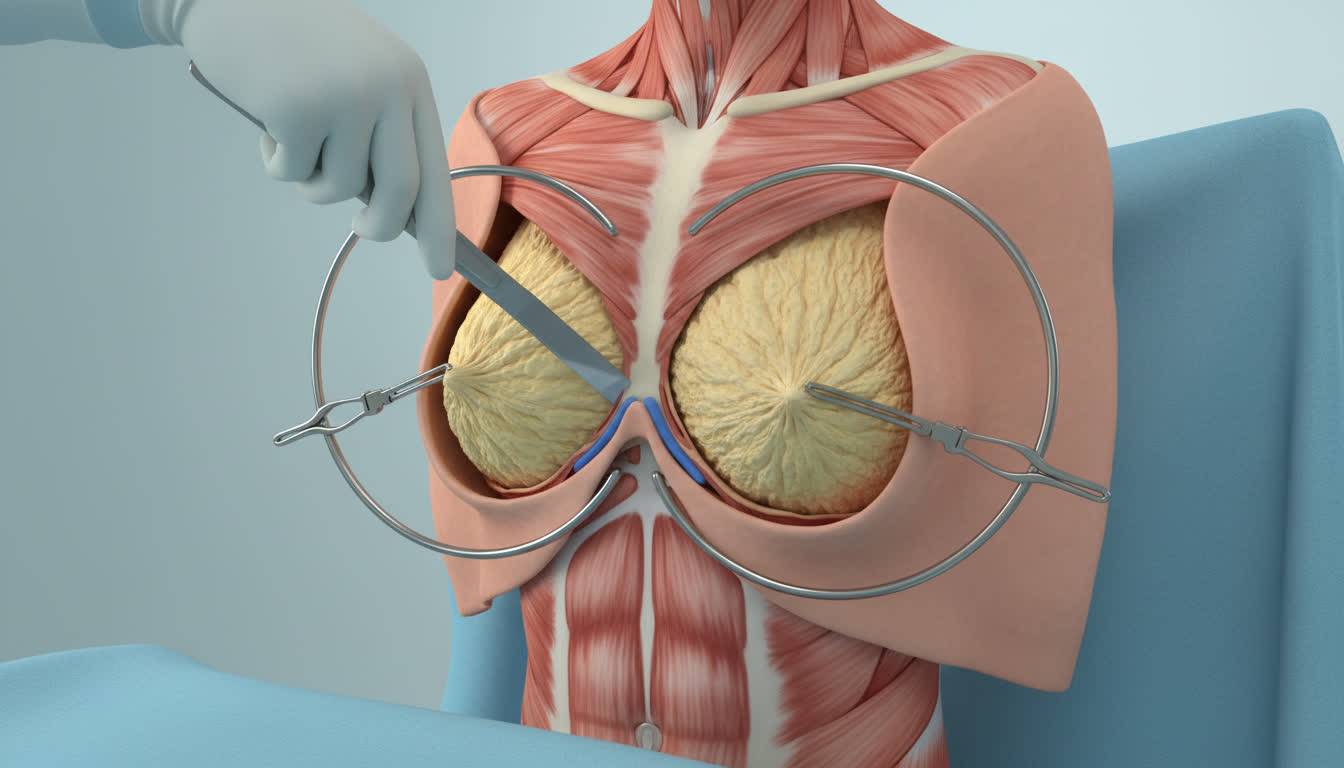
Breast-conserving surgery removes the cancer with a margin of surrounding tissue while retaining most of the breast. Mastectomy removes substantially more or all breast tissue.
The choice can depend on:
- Tumor size relative to the breast.
- Number and location of tumors.
- Ability to obtain clear margins.
- Genetic risk.
- Feasibility of radiation.
- Patient preference after informed discussion.
More extensive surgery is not automatically better for every early breast cancer.
Radiation Therapy
Radiation commonly follows breast-conserving surgery and can also be recommended after mastectomy in selected higher-risk situations.
Its purpose is to reduce the probability of cancer returning in the breast, chest wall, or regional areas.
Treatment Before and After Surgery
Chemotherapy may be given before surgery in selected tumors, particularly where response can influence subsequent treatment.
After surgery, pathology helps determine the need for chemotherapy, endocrine therapy, HER2-directed treatment, radiation, or combinations of these approaches.
Modern Targeted, Immune, and Precision Treatments for Breast Cancer
Breast cancer treatment has increasingly moved toward biomarker-directed therapy. Modern options include endocrine therapy combined with cell-cycle inhibitors, HER2-targeted agents, immunotherapy, antibody-drug conjugates, and drugs directed at particular molecular alterations.
Advances in HR-Positive, HER2-Negative Disease
Endocrine therapy remains fundamental, while CDK4/6 inhibitors have become important in advanced disease and in selected higher-risk early-stage settings.
Molecular testing can also identify endocrine-resistance alterations such as ESR1 mutations. New targeted endocrine options for ESR1-mutated advanced ER-positive/HER2-negative disease were added in 2025 and 2026.
Antibody-Drug Conjugates and HER2-Directed Therapy
Antibody-drug conjugates deliver a cytotoxic payload through a tumor-targeting antibody and have significantly expanded treatment possibilities.
Their role now includes HER2-positive disease as well as selected HER2-low and HER2-ultralow cancers.
Recent advances include a new first-line combination for selected metastatic HER2-positive disease in late 2025 and expanded early-stage HER2-positive indications in May 2026.
New Options for Triple-Negative and Metastatic Breast Cancer
Immunotherapy can benefit selected triple-negative cancers depending on stage and tumor characteristics.
Antibody-drug conjugates are also increasingly important. In May 2026, a Trop-2-directed antibody-drug conjugate gained an additional indication for selected unresectable or metastatic triple-negative breast cancer when PD-1/PD-L1 inhibitor therapy is not appropriate.
Repeating biomarker assessment as disease evolves may be important because receptor status and molecular characteristics can change and can open new treatment options.
Conclusion
Breast cancer is best understood as a family of biologically different diseases. Risk is influenced by age, genetics, hormonal factors, breast density, and lifestyle, while diagnosis requires an integrated pathway of imaging, biopsy, staging, and biomarker testing.
Modern treatment is increasingly individualized. Surgery and radiation remain essential for many early cancers, while endocrine therapy, HER2-directed drugs, immunotherapy, antibody-drug conjugates, and mutation-directed treatments have expanded options across multiple breast cancer subtypes.
Frequently Asked Questions: Exploring Breast Cancer: Causes, Diagnosis, and Modern Treatments
Does every breast lump mean cancer?
No. Many breast lumps are benign, but any new persistent lump should be properly assessed.
Can breast cancer occur without a family history?
Yes. Family history is only one risk factor, and many people diagnosed with breast cancer have no obvious strong family history.
Can a mammogram confirm breast cancer?
No. Imaging can identify a suspicious abnormality, but tissue biopsy is generally required for definitive diagnosis.
Why are ER, PR, and HER2 tested?
These biomarkers help classify the tumor and determine whether endocrine or HER2-directed therapies are likely to be useful.
Are modern treatments available for metastatic breast cancer?
Yes. Treatment can now include endocrine therapy, targeted drugs, immunotherapy, and antibody-drug conjugates according to tumor biology, previous treatment, and molecular findings.