






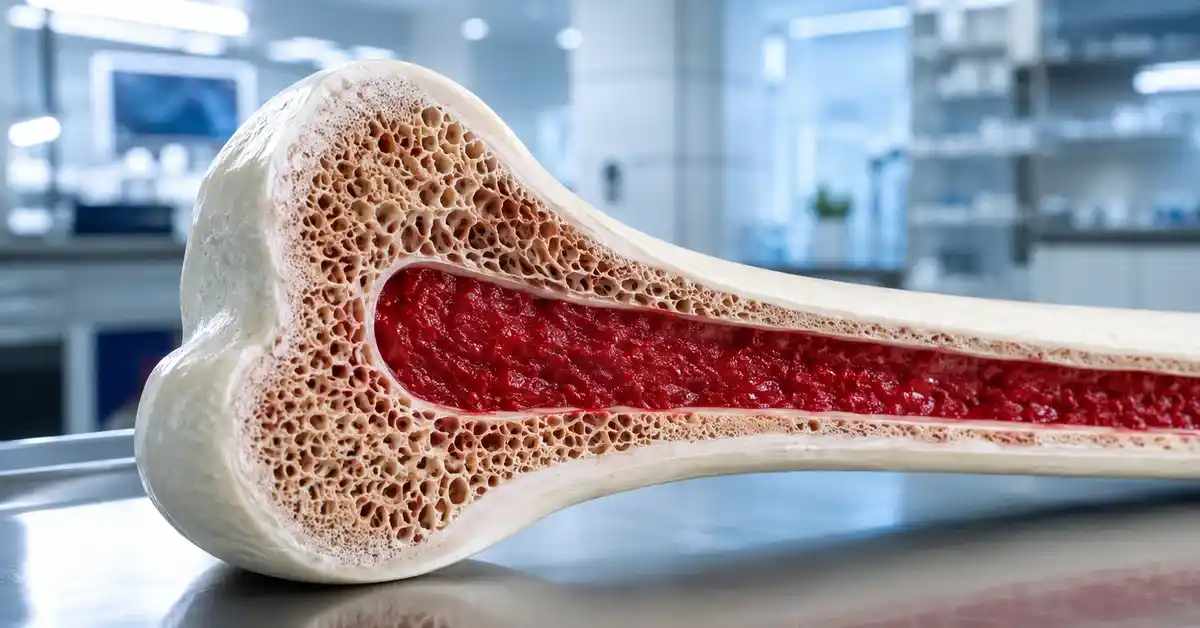

Bone marrow transplant is an advanced medical treatment used for selected blood cancers, bone marrow failure conditions, immune disorders, and some inherited blood diseases. It is also known as a hematopoietic stem cell transplant because the main goal is to replace, restore, or rebuild the blood-forming system inside the body. A bone marrow transplant may be recommended when the bone marrow cannot produce healthy blood cells properly, or when diseased cells need to be replaced after intensive treatment.
Bone marrow is the soft tissue inside certain bones. It produces red blood cells that carry oxygen, white blood cells that fight infection, and platelets that help control bleeding. When the marrow fails or becomes affected by cancer, severe blood disease, or intensive chemotherapy, the patient may need a transplant to restore blood cell production.
At Safemedigo, bone marrow transplant cases are approached as a full treatment journey rather than a single procedure. The process starts with reviewing the diagnosis, disease stage, blood tests, genetic results, general health, transplant type, donor availability, cost, success rate, risks, and recovery expectations. This article explains when bone marrow transplant is needed, the procedure, transplant types, cost, success rate, risks, recovery, and the bone marrow donation process.
Bone Marrow Transplant
Bone marrow transplant is a medical procedure that uses healthy blood-forming stem cells to rebuild or replace damaged, weak, or diseased bone marrow. It is different from solid organ transplant procedures such as liver or kidney transplant. In many cases, the stem cells are given through a vein, similar to a blood transfusion, after the patient receives a conditioning treatment such as chemotherapy or radiation depending on the disease.
A transplant may be part of treatment for certain blood cancers, bone marrow failure, immune disorders, or inherited blood diseases. It may also help restore blood production after strong treatment that damages both abnormal and healthy marrow cells. Because of this complexity, the decision requires careful evaluation by hematology and oncology specialists.
The success of bone marrow transplant depends on patient selection, disease type, disease stage, transplant type, donor match when needed, age, general health, infection status, and the quality of post-transplant care. It should be understood as a complete treatment pathway, not only as the day of stem cell infusion.
What Is Bone Marrow Transplant
A bone marrow transplant is a procedure in which blood-forming stem cells are infused into the patient’s body to help rebuild bone marrow and produce healthy blood cells. These stem cells may come from the patient, a matched donor, or in selected cases from cord blood, depending on the medical plan.
Before transplant, the patient usually receives a preparation phase called conditioning. This may include high-dose chemotherapy, radiation, or immune-suppressing treatment. The purpose is to destroy diseased cells, suppress the immune system, or make space for the new stem cells.
After stem cell infusion, the patient enters a waiting period until the cells settle in the bone marrow and begin producing new blood cells. This phase requires close monitoring because immunity is weak, and the risk of infection, bleeding, and anemia is higher than usual. Regular blood counts help doctors follow the recovery of the new marrow.
Types Of Transplant
Types of bone marrow transplant are mainly based on the source of stem cells. The most common types are autologous bone marrow transplant and allogeneic bone marrow transplant. The right type depends on the disease, treatment goal, patient condition, and donor availability.
Autologous bone marrow transplant uses the patient’s own stem cells. The cells are collected and stored before intensive treatment, then returned to the patient afterward to help restore blood production. This type is often used in selected cancers where high-dose treatment is needed.
Allogeneic bone marrow transplant uses stem cells from another person, usually a matched donor. This type may be needed in diseases such as leukemia, bone marrow failure, aplastic anemia, or certain inherited blood disorders. It requires careful compatibility testing to reduce risks such as graft rejection and graft-versus-host disease.
In some cases, stem cells may come from peripheral blood, bone marrow, or cord blood, depending on the transplant plan.
How The Procedure Works
The bone marrow transplant procedure works through several stages. It begins with diagnosis confirmation and medical evaluation, then donor search or stem cell collection, conditioning treatment, stem cell infusion, and close monitoring until the new cells begin producing blood.
General steps may include:
- Confirming the diagnosis and disease stage.
- Evaluating heart, kidney, liver, and lung function.
- Screening for infections.
- Choosing the right transplant type.
- Searching for a matched donor when needed.
- Collecting stem cells from the patient or donor.
- Giving conditioning treatment before transplant.
- Infusing stem cells through a vein.
- Monitoring new blood cell production.
- Preventing infection and bleeding.
- Managing side effects.
- Continuing follow-up after hospital discharge.
The infusion itself is usually not surgical in the traditional sense. However, the entire process is complex and sensitive. It requires a specialized center, strict infection control, blood support, medication monitoring, and experienced transplant care.
Bone Marrow Transplant When Needed
Bone marrow transplant is needed when the marrow cannot produce healthy blood cells, when diseased cells inside the marrow must be replaced, or when intensive cancer treatment is required and the body needs help rebuilding blood production afterward. It may also be used for selected immune or inherited blood disorders.
Not every patient with cancer, anemia, or a blood disorder needs a transplant. The decision depends on diagnosis, disease risk, previous treatment response, age, organ function, donor availability, and whether the expected benefit is greater than the risk. This makes individualized evaluation essential.
Bone marrow transplant may be considered for selected patients with leukemia, lymphoma, multiple myeloma, bone marrow failure, severe aplastic anemia, immune deficiencies, inherited blood disorders, and some metabolic conditions. Timing is also important. In some diseases, transplant is most useful after achieving disease control; in others, it may be needed earlier.
Diseases Requiring Transplant
Diseases requiring bone marrow transplant are usually conditions that affect blood production, immune function, or blood-forming cells. Some are cancers, while others are non-cancerous but still serious and life-threatening.
Conditions that may require transplant evaluation include:
- Acute or chronic leukemia in selected cases.
- Lymphoma after relapse or high-risk disease.
- Multiple myeloma in selected cases.
- Bone marrow failure.
- Severe aplastic anemia.
- Certain inherited blood diseases.
- Selected immune deficiency disorders.
- Some inherited metabolic diseases.
- Relapsed disease after standard treatment.
- Need for high-dose chemotherapy.
- Certain aggressive blood disorders.
Having one of these conditions does not automatically mean transplant is required. The decision depends on risk level, treatment response, general health, and whether transplant offers a meaningful chance of better control or survival.
Cancer Cases
Bone marrow transplant for cancer is used mainly for certain blood and lymphatic system cancers, including leukemia, lymphoma, and multiple myeloma. In these cases, transplant may help eliminate cancer cells, rebuild marrow after intensive therapy, or provide a new immune system that can help fight the disease.
In autologous bone marrow transplant, the patient’s own stem cells are collected and stored. The patient then receives strong treatment, and the stored cells are returned to help blood recovery. This approach is used in selected cancer cases where high-dose therapy is part of the treatment plan.
In allogeneic bone marrow transplant, stem cells come from a matched donor. This may be considered in leukemia or other high-risk blood cancers. The donor cells can rebuild blood production and may also create an immune effect against remaining disease. Timing depends on cancer type, genetics, response to treatment, and relapse risk.
Blood Disorders
Blood disorders treatment with transplant may be important when medicines, transfusions, or standard therapies are not enough. Some blood disorders cause severe shortage of blood cells, abnormal blood cell production, or ongoing life-threatening complications.
Blood disorders that may require transplant evaluation include:
- Bone marrow failure.
- Severe aplastic anemia.
- Selected severe thalassemia cases.
- Certain inherited immune deficiencies.
- Some platelet production disorders.
- Selected inherited blood diseases.
- Certain sickle cell disease cases.
- Disorders affecting normal marrow production.
In many of these conditions, allogeneic bone marrow transplant may be considered if a suitable donor is available and the patient’s condition allows it. The decision must balance potential cure or long-term improvement against transplant risks, including infection, rejection, graft-versus-host disease, and prolonged recovery.

Bone Marrow Transplant Cost
Bone marrow transplant cost varies widely depending on transplant type, country, medical center, hospital stay, disease type, tests, medications, donor availability, conditioning treatment, infection management, and complications. There is no single fixed cost for all patients.
Autologous bone marrow transplant may have a different cost structure than allogeneic transplant. Allogeneic transplant often requires donor matching, donor evaluation, stem cell collection, immune medications, and longer monitoring for graft-related complications. This may increase total cost and duration of care.
Patients should not evaluate transplant treatment by price alone. A bone marrow transplant requires a specialized center, infection-controlled rooms, hematology expertise, blood bank support, precise laboratories, and long-term post-transplant follow-up. Weak follow-up may affect outcomes even when the initial procedure is completed.
Global Cost Overview
Bone marrow transplant cost differs significantly from one country to another because hospital systems, medication prices, laboratory costs, blood support, and medical team fees vary. It also depends on whether the transplant is autologous or allogeneic.
In some countries, the cost may be very high because of hospital stay, medications, and prolonged monitoring. In others, treatment may be more affordable, but patients should carefully evaluate center quality, transplant experience, infection control, and post-treatment follow-up.
When comparing global costs, patients should check whether the offer includes evaluation, conditioning treatment, stem cell collection, storage, infusion, hospital stay, medications, blood and platelet transfusions, infection treatment, follow-up, and complication management. A fair comparison should be between complete transplant programs, not simple headline prices.
Cost Factors
Several factors determine bone marrow transplant cost. One of the most important is transplant type. Autologous transplant usually differs from allogeneic transplant because donor transplant requires matching, donor workup, immune management, and monitoring for graft-related complications.
Cost factors may include:
- Disease type and stage.
- Autologous or allogeneic transplant.
- Number of required tests.
- Donor search and compatibility testing.
- Stem cell collection and processing.
- Conditioning chemotherapy or radiation.
- Hospital stay duration.
- Need for isolation care.
- Blood and platelet transfusions.
- Antibiotic, antiviral, and antifungal medications.
- Immune-suppressing medications.
- Treatment of complications.
- Follow-up after discharge.
- Translation and coordination services for international patients.
Patients should request a clear medical offer that explains what is included and what may be charged separately.
Country Comparison
Country comparison for bone marrow transplant should focus on program quality, hematology experience, laboratory support, infection control, and follow-up structure, not cost alone. Lower prices may be attractive, but weak post-transplant care can increase risk.
Important comparison points include:
- Experience of the transplant center.
- Availability of autologous and allogeneic transplant.
- Advanced matching laboratory.
- Infection control quality.
- Blood and platelet availability.
- Expected hospital stay.
- Medication and follow-up costs.
- Language support and translation.
- Travel and accommodation convenience.
- Follow-up plan after returning home.
The best choice is the country and center that balances safety, experience, cost clarity, and the ability to provide long-term follow-up after transplant.
Bone Marrow Transplant Success Rate
Bone marrow transplant success rate varies according to disease type, transplant type, patient age, general health, disease stage, donor match, infection status, and response to previous treatment. A single success rate cannot represent all patients.
Success can mean different things depending on the disease. In some cases, success means long-term remission. In others, it means restoring blood cell production, reducing transfusion needs, or improving quality of life. The patient should understand the specific goal of transplant in their case.
Factors that improve results include proper timing, disease control before transplant in selected cancers, a good donor match, infection control, strong organ function, specialized center experience, and adherence to follow-up after treatment. The more accurate the evaluation, the clearer the expectations.
Success Statistics
Success statistics in bone marrow transplant differ between autologous and allogeneic transplant, and between malignant and non-malignant diseases. Some patients have better outcomes when the disease is controlled before transplant, while outcomes may be lower if the disease is very active or the patient is medically weak.
In autologous transplant, there is no donor rejection risk, but the original disease may return in some cases. In allogeneic transplant, donor cells may provide an immune effect against disease, but complications such as graft-versus-host disease and infection may occur.
Therefore, success statistics should be explained according to the patient’s diagnosis, not as one general number. Exact disease type, genetic findings, previous treatment response, donor match, and transplant plan all shape the expected outcome.
Influencing Factors
Influencing factors for bone marrow transplant success include patient-related, disease-related, and center-related elements. Understanding these factors helps doctors estimate benefit and risk more accurately.
Important factors include:
- Disease type.
- Disease stage.
- Response to treatment before transplant.
- Patient age.
- Heart, kidney, liver, and lung function.
- Active infection status.
- Nutrition and weight.
- Transplant type.
- Donor compatibility.
- Quality of stem cells.
- Medical center experience.
- Speed of complication management.
- Medication and follow-up adherence.
These factors help the medical team create a realistic treatment plan. They also help the patient understand why two people with the same general disease name may have different transplant expectations.
Outcome Improvements
Bone marrow transplant outcomes have improved because of better compatibility testing, immune medications, infection control, supportive care, stem cell collection methods, and disease monitoring after treatment. These advances have made transplant safer and more effective for selected patients compared with the past.
Patient selection has also become more precise. Doctors can adjust conditioning intensity according to the patient’s condition instead of using the same approach for everyone. This may help older patients or medically sensitive patients in selected situations.
Despite these improvements, bone marrow transplant remains complex and is not suitable for everyone. Expectations must be realistic. Success depends on the disease, preparation, center experience, complication control, and long-term follow-up after transplant.
Risks Of Bone Marrow Transplant
Risks of bone marrow transplant may appear early or late. In the early phase, the patient is more vulnerable to infection, bleeding, and anemia because blood counts drop after conditioning treatment. Side effects of chemotherapy or radiation may also occur, such as nausea, fatigue, mouth sores, hair loss, and appetite changes.
In allogeneic transplant, additional risks include graft rejection and graft-versus-host disease. In graft-versus-host disease, donor immune cells may attack the patient’s tissues. This may affect the skin, liver, digestive system, or other organs and may require long-term treatment.
These risks do not mean that transplant is unsuitable. They highlight the importance of choosing the right patient, performing the procedure in an experienced center, preventing infection, following medications, monitoring closely, and reporting symptoms early.
Possible Complications
Possible complications after bone marrow transplant may be related to low immunity, low blood counts, medications, or immune reactions between the patient and donor cells. Some complications are temporary, while others may require prolonged treatment.
Possible complications include:
- Bacterial, viral, or fungal infection.
- Bleeding due to low platelets.
- Severe anemia.
- Mouth and digestive tract sores.
- Nausea and vomiting.
- Severe fatigue.
- Hair loss.
- Liver or kidney problems.
- Lung problems.
- Graft rejection.
- Graft-versus-host disease.
- Delayed blood cell recovery.
- Relapse of the original disease in some cases.
- Emotional stress from isolation and prolonged treatment.
Close monitoring helps detect complications early and manage them before they become severe.
Graft Rejection
Graft rejection means the transplanted cells do not settle, grow, or produce healthy blood cells as expected. It may occur in some allogeneic transplant cases, especially when donor matching is incomplete or immune factors interfere with graft acceptance.
A different but related issue is graft-versus-host disease. In this condition, donor immune cells attack the patient’s tissues. This is not traditional rejection by the patient’s body, but an immune reaction from donor cells against the recipient. It may be acute or chronic.
To reduce these risks, doctors perform careful compatibility testing before transplant, use immune-suppressing medications when needed, and monitor the patient after transplant. Symptoms such as skin rash, severe diarrhea, jaundice, fever, or general deterioration should be reported immediately.
Risk Prevention
Risk prevention begins before transplant through full patient evaluation, treatment of infections, nutritional improvement, medication review, and assessment of heart, kidney, liver, and lung function. It also includes choosing the transplant type and donor carefully.
After transplant, risk reduction may include:
- Taking immune medications and protective drugs as prescribed.
- Washing hands regularly.
- Avoiding crowds during weak immunity.
- Eating safe and clean food.
- Monitoring temperature daily.
- Reporting unusual symptoms quickly.
- Completing blood tests on time.
- Avoiding random medications.
- Caring for mouth and skin.
- Following isolation instructions when needed.
- Monitoring platelets and blood counts.
- Receiving vaccines later according to the medical plan.
Prevention cannot remove every risk, but it can reduce complications and support earlier detection.
Recovery After Bone Marrow Transplant
Recovery after bone marrow transplant varies according to transplant type, disease, age, body strength, complications, and how quickly the new marrow begins producing blood cells. Recovery does not end when the patient leaves the hospital. The immune system may need months or longer to rebuild gradually.
At first, the medical team monitors blood counts, infection signs, bleeding, liver and kidney function, nutrition, pain, and treatment side effects. When the transplanted cells begin working and the patient becomes stable, discharge may be possible with a strict follow-up plan.
After discharge, the patient needs repeated blood tests, protective medications, immune monitoring, and infection prevention. Returning to work, school, travel, or exercise should be gradual and based on medical approval. A good recovery depends on following instructions and avoiding rushed activity.
Recovery Timeline
Recovery timeline after bone marrow transplant may extend from weeks to months. In some allogeneic transplant cases, the immune system may need much longer to recover fully. The first stage is engraftment, when new blood cells begin to appear. Later comes immune recovery and complication monitoring.
In the first weeks, the patient is more vulnerable to infection, bleeding, and severe fatigue. This is why close care and sometimes protective isolation are needed. After blood counts improve, outpatient follow-up begins, but immunity may remain weak for some time.
Patients should not compare their recovery to others. Some improve quickly, while others need more time because of complications, transplant type, or conditioning intensity. The medical team decides when it is safe to return to normal activities.
Post Treatment Care
Post treatment care after bone marrow transplant includes regular follow-up, blood tests, protective medications, nutrition, infection prevention, and emotional support. The patient needs clear instructions about home care and warning symptoms.
Care may include:
- Checking temperature regularly.
- Monitoring blood counts.
- Taking medications on schedule.
- Maintaining mouth hygiene.
- Avoiding unsafe foods.
- Drinking fluids as advised.
- Avoiding contact with sick people.
- Caring for any central line if present.
- Monitoring liver and kidney function.
- Contacting the doctor for diarrhea, rash, or bleeding.
- Following the vaccine plan later.
- Receiving emotional support for patient and family.
This care is essential because the post-transplant period is sensitive and may strongly influence long-term outcomes.
Return To Normal Life
Return to normal life after bone marrow transplant is gradual. At first, the patient may feel tired, weak, and have a poor appetite or low energy. As blood counts, immunity, and nutrition improve, daily activity usually improves slowly.
Return to work, school, travel, or exercise should be based on medical approval. Some patients need to avoid crowds or travel for a period, especially if immunity is weak or they are still using immune-suppressing medications.
Life after transplant can improve significantly if the transplant succeeds and the disease remains controlled. However, long-term follow-up is still needed. The patient may need new vaccines, periodic tests, disease monitoring, and emotional support to handle the physical and psychological effects of treatment.
Bone Marrow Donation Process
The bone marrow donation process may give a patient a real chance of treatment when a donor transplant is required. A suitable donor may be a family member, especially a sibling, or an unrelated donor from a donor registry. The most important factor is immune compatibility, not only family relationship.
Donation may be done by collecting stem cells from the blood after giving medications that move stem cells into the bloodstream. In some cases, cells are collected directly from bone marrow under anesthesia. The right method depends on the patient’s need and the transplant center’s plan.
The importance of donation is high because some patients cannot easily find a matched donor. The larger the donor pool, the better the chance of helping patients with leukemia, marrow failure, inherited blood disorders, and immune diseases.
Donor Requirements
Donor requirements are designed to protect both donor and patient. A willing person cannot be accepted for donation without medical tests confirming that donation is safe and appropriate. The donor should be in good general health and free from conditions that may increase risk or affect the patient.
Donor requirements may include:
- Good general health.
- Suitable immune match with the patient.
- No active infection.
- No serious condition preventing donation.
- Ability to tolerate the collection procedure.
- Full understanding of the donation method.
- Free consent without pressure.
- Complete blood tests.
- Heart or general health assessment when needed.
- Medication and chronic disease review.
A willing donor may be rejected if donation is unsafe for them or not suitable for the patient. Donor safety is a core part of the transplant process.
Donation Steps
Donation steps begin with compatibility testing, followed by donor medical evaluation and selection of the stem cell collection method. If stem cells are collected from the blood, the donor may receive medications that help stem cells move from the marrow into the bloodstream. The cells are then collected through a special machine.
If donation is collected directly from bone marrow, the marrow is usually taken from the pelvic bones under anesthesia. The donor may feel some pain or fatigue afterward, but recovery is usually gradual with rest and follow-up.
General steps include:
- Initial compatibility testing.
- Blood tests and health evaluation.
- Explanation of method and risks.
- Informed consent.
- Donor preparation.
- Stem cell collection.
- Monitoring after donation.
- Short follow-up after donation.
Donation should always be performed in an organized medical setting with clear explanation before the process begins.
Importance Of Donation
The importance of bone marrow donation lies in its potential to give patients a real treatment opportunity when standard therapies are not enough. Some patients need a matched donor to rebuild their marrow and produce healthy blood cells.
Donation is especially important for patients with leukemia, bone marrow failure, certain inherited blood disorders, and some immune disorders. Finding a suitable donor can strongly affect treatment timing and the chance of success.
Increasing awareness about donation helps improve the chances of finding matched donors for patients who do not have a family donor. Donation is a meaningful human decision, but it should always be based on understanding, proper testing, and free consent.
Conclusion
Bone marrow transplant is an advanced treatment that may be needed for selected patients with cancer, blood disorders, immune disorders, or bone marrow failure. It may be considered when the marrow cannot produce healthy blood cells, when diseased cells need to be replaced, or when high-dose treatment requires rebuilding the blood-forming system afterward.
The success of bone marrow transplant depends on transplant type, donor match, treatment timing, medical center experience, infection control, and post-transplant care. Cost, risks, and recovery time vary from one case to another, which makes detailed medical evaluation essential before deciding.
Frequently Asked Questions: Bone Marrow Transplant When Needed
When is bone marrow transplant needed?
Bone marrow transplant may be needed when marrow cannot produce healthy blood cells, or when certain cancers, blood disorders, or immune diseases require rebuilding the blood-forming system after intensive treatment.
What are the main types of bone marrow transplant?
The main types are autologous bone marrow transplant using the patient’s own cells, and allogeneic bone marrow transplant using cells from a matched donor.
Is bone marrow transplant painful?
The stem cell infusion itself is usually similar to a blood transfusion. However, conditioning treatment and recovery may cause fatigue, nausea, mouth sores, pain, and temporary immune weakness.
What affects bone marrow transplant success rate?
Success depends on disease type, disease stage, transplant type, donor match, patient age, general health, infection status, center experience, and follow-up after transplant.
How long is recovery after bone marrow transplant?
Recovery may take weeks to months, and immune recovery may take longer, especially after allogeneic transplant or if complications occur.