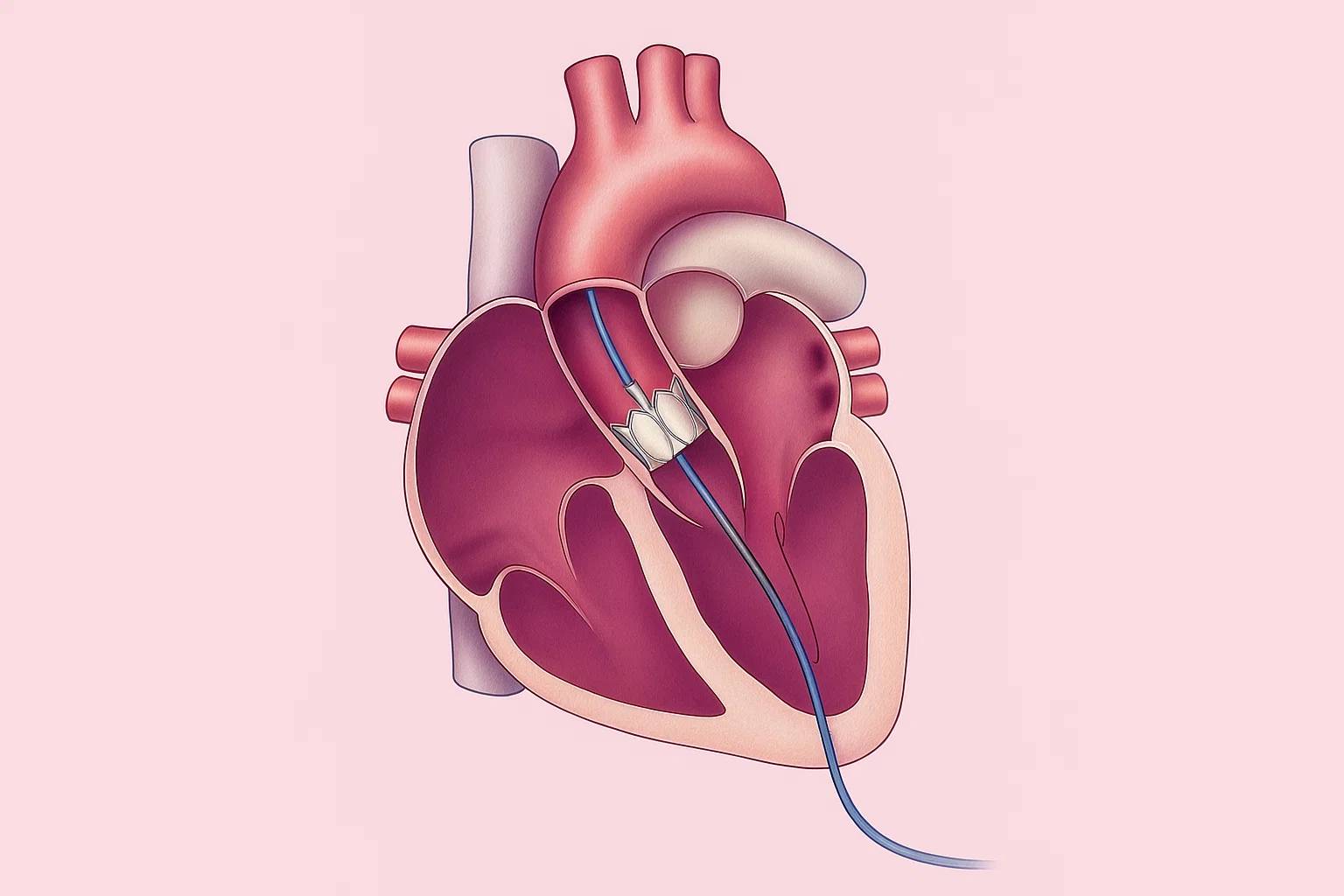






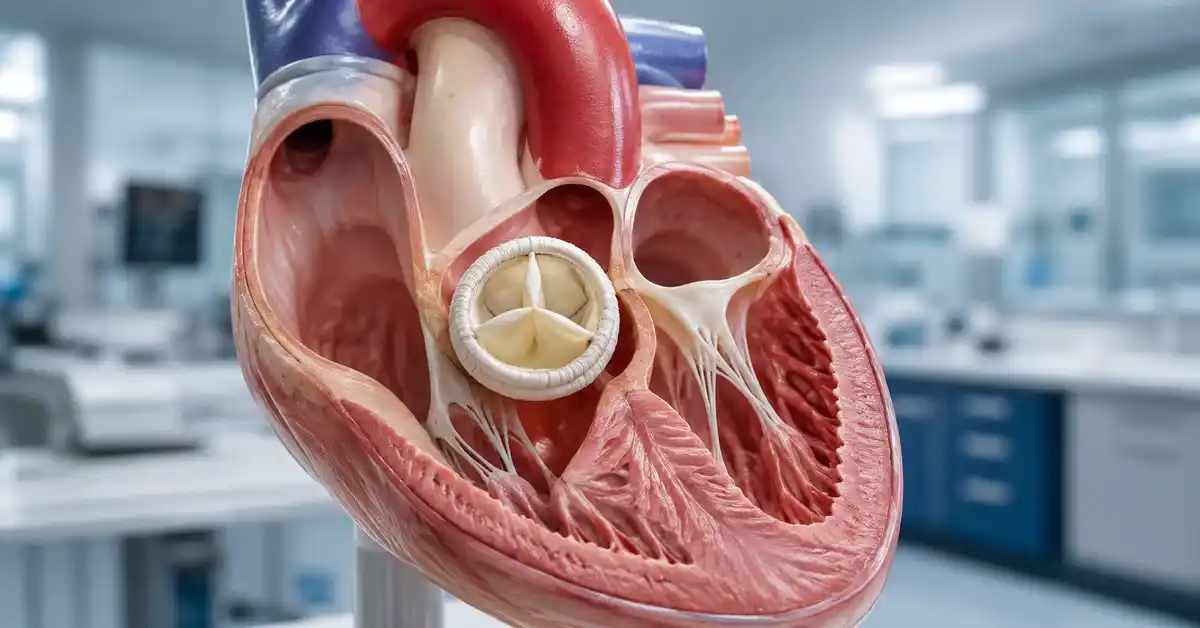
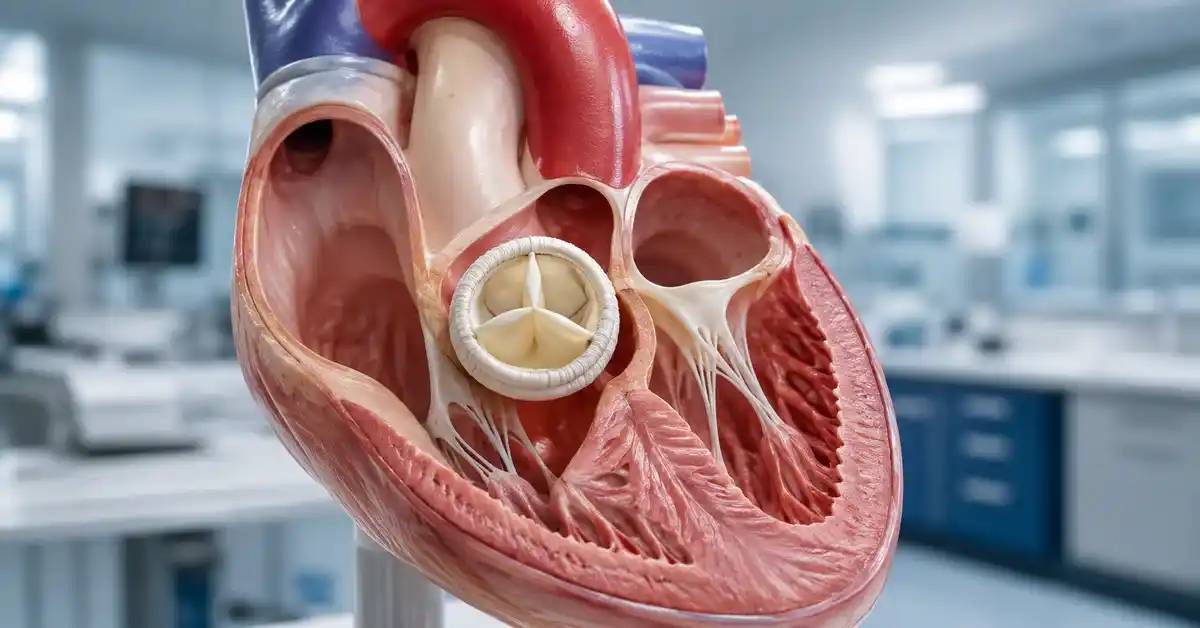
Biological heart valve replacement is an advanced treatment used to replace a damaged or poorly functioning heart valve with a valve made from biological tissue. This type of valve may be made from specially treated animal tissue or, in selected cases, human tissue. It is used when a natural heart valve becomes narrowed, leaky, stiff, or unable to control blood flow through the heart properly.
Heart valves play a vital role in keeping blood moving in one direction. When a valve is damaged, blood may have difficulty passing through, or it may leak backward. Over time, this can increase pressure on the heart and cause symptoms such as shortness of breath, fatigue, leg swelling, chest discomfort, dizziness, irregular heartbeat, or heart failure if the problem is not treated appropriately.
At Safemedigo, heart valve replacement surgery is approached carefully because choosing the best heart valve replacement option depends on many factors. These include the patient’s age, general health, affected valve, disease severity, bleeding risk, need for blood thinners, surgical risk, and lifestyle after surgery. This article explains biological heart valve replacement, bioprosthetic heart valve options, biological vs mechanical heart valve differences, valve replacement procedures, recovery, complications, cost, and how to choose the right medical center.
What Is Biological Heart Valve Replacement
Biological heart valve replacement means replacing a diseased heart valve with a valve made from biological tissue. The goal is to improve blood flow through the heart, reduce symptoms, decrease pressure on the heart muscle, and prevent complications that may occur when valve disease progresses.
A biological valve may be used when a heart valve is severely narrowed or leaking and repair is not possible or not the best option. Depending on the patient’s condition, replacement may be performed through open heart valve surgery, minimally invasive valve replacement, or transcatheter valve replacement in selected cases.
A bioprosthetic heart valve is not the best option for every patient, just as a mechanical valve is not suitable for everyone. The decision should be made after a clear discussion between the patient and the medical team. Some patients prefer a biological valve because it may reduce the need for long-term strong blood thinners, while others may need a mechanical valve because of its longer durability.
Biological Heart Valve Replacement Definition
Biological heart valve replacement is a procedure in which a damaged natural heart valve is replaced with a valve made from treated biological tissue. This valve is designed to open and close with each heartbeat, allowing blood to flow forward and reducing backward leakage.
A bioprosthetic heart valve may be made from animal tissue that has been processed for medical use, or from human tissue in selected cases. The valve is prepared to function inside the heart and to reduce unwanted tissue reaction as much as possible.
One advantage of a biological valve is that it can function in a way that is closer to the natural movement of blood through the heart. In many cases, it may not require the same lifelong strong blood thinner treatment often needed with mechanical valves. This can make it a suitable choice for older patients or patients who have a higher bleeding risk.
However, biological valves may wear out, calcify, or degenerate over time. Some patients may need another intervention in the future if the valve becomes narrowed or leaky again. For this reason, regular follow-up is essential after surgery.
Biological Vs Mechanical Heart Valve
Biological vs mechanical heart valve comparison is one of the most important discussions before heart valve replacement surgery. A biological heart valve is made from treated tissue, while a mechanical valve is made from durable artificial materials designed to last for a long time.
Mechanical valves often last longer, but they usually require lifelong blood thinner therapy to reduce the risk of blood clots. This means regular monitoring and a higher risk of bleeding in some patients. Biological valves may reduce the need for long-term strong blood thinners in many cases, but they can deteriorate with time and may require future replacement.
Main differences include:
- Biological valves are made from tissue.
- Mechanical valves are made from artificial durable materials.
- Biological valves may be more suitable for patients with high bleeding risk.
- Mechanical valves often last longer.
- Biological valves may deteriorate over time.
- Mechanical valves usually require lifelong blood thinner treatment.
- Biological valves may be preferred in many elderly patients.
- Mechanical valves may be preferred in some younger patients.
The choice should not be based only on valve type. It should reflect the patient’s age, lifestyle, medical risks, ability to take blood thinners, and long-term treatment plan.
Why Choose A Bioprosthetic Heart Valve
A bioprosthetic heart valve may be chosen when the goal is to improve valve function while reducing the long-term burden of strong blood thinner therapy when medically appropriate. This can be especially important for elderly patients, patients with a higher bleeding risk, or patients who cannot easily maintain regular blood thinner monitoring.
A biological valve may be preferred in cases such as:
- Elderly valve replacement surgery.
- Higher bleeding risk.
- Difficulty using long-term blood thinners.
- Difficulty attending regular blood monitoring.
- Patient preference when medically suitable.
- Selected transcatheter valve replacement cases.
- Certain health conditions that make blood thinners less suitable.
- Need for a more individualized treatment plan.
However, patients should understand the bioprosthetic valve lifespan and the possibility of a future intervention if the valve degenerates. The best choice is not always the valve that lasts the longest, but the valve that best balances safety, lifestyle, durability, medication needs, and patient-specific risk.
Types Of Heart Valve Replacement
Types of heart valve replacement vary according to the valve material, the affected valve, and the method of implantation. Biological valves may be made from treated animal tissue, selected human tissue, or artificial biological valve designs prepared for surgical or catheter-based use.
The choice of valve depends on many factors, including which valve is diseased, whether the problem is narrowing or leakage, the size of the valve opening, the patient’s age, calcium buildup, heart function, surgical risk, and whether transcatheter or minimally invasive valve replacement is possible.
There is no single best heart valve replacement option for all patients. A valve that is suitable for an elderly patient may not be the best choice for a younger patient. Similarly, a valve used for the aortic position may not be suitable for the mitral position. The treatment plan must be personalized.
Bioprosthetic Heart Valve Types
Bioprosthetic heart valve types are usually made from treated biological tissue. Some are designed for surgical implantation during open heart valve surgery, while others may be used in selected transcatheter procedures. Their design and use depend on the affected valve and the patient’s anatomy.
Common categories may include:
- Tissue valves used in surgical replacement.
- Valves designed for the aortic position.
- Valves designed for the mitral position.
- Valves used in selected transcatheter procedures.
- Human tissue valves in specific cases.
- Biological valves mounted on supporting frames.
- Special designs for patients with previous valve replacement.
Bioprosthetic valves are often selected when avoiding lifelong strong blood thinner therapy is a priority. They may be especially relevant for elderly patients or patients with bleeding risks. However, because these valves can wear out, follow-up with heart imaging is important to monitor valve function over time.
Artificial Biological Valve Options
Artificial biological valve options are designed to imitate the function of natural heart valves while using treated biological tissue. These valves allow blood to flow forward and help prevent backward leakage, supporting more efficient heart function when the natural valve is severely diseased.
Different artificial biological valve options may be selected depending on the valve location, surgical plan, patient age, and whether the procedure is open, minimally invasive, or catheter-based. Some biological valves are placed during traditional surgery, while others may be delivered through transcatheter techniques in carefully selected patients.
The medical team considers:
- Valve size.
- Affected valve location.
- Patient age.
- Bleeding risk.
- Risk of future reoperation.
- Need for blood thinners.
- Heart anatomy.
- Calcium level around the valve.
- Suitability for catheter-based treatment.
- Overall surgical risk.
Patients should ask why a specific valve is recommended, how long it may last, whether blood thinners are needed, and what follow-up will be required.
Types Of Heart Valve Replacement Procedures
Types of heart valve replacement procedures include open heart valve surgery, minimally invasive valve replacement, and transcatheter valve replacement. The best method depends on the patient’s condition, the affected valve, and the technical suitability of each approach.
Open heart valve surgery is often used when the valve disease is complex, when more than one valve needs treatment, or when another heart operation is required at the same time. Minimally invasive approaches may use smaller incisions in suitable cases. Transcatheter valve replacement may be considered in selected patients, especially when surgery carries higher risk.
The procedure may be used for:
- Severe valve narrowing.
- Severe valve leakage.
- Calcified heart valves.
- Previous valve failure.
- Valve disease affecting heart function.
- Valve disease causing symptoms.
- Selected elderly patients.
- Selected high-risk surgical patients.
- Some patients needing valve-in-valve procedures.
A full heart evaluation is required before choosing the method.
When Is Valve Replacement Needed
Valve replacement is needed when a heart valve is severely damaged and can no longer regulate blood flow properly. The damage may cause narrowing, leakage, or both. Over time, this can overload the heart and lead to symptoms or progressive damage to the heart muscle.
Symptoms of heart valve disease may be mild at first and become more noticeable over time. Some patients reduce their activity without realizing that heart valve disease is the reason. Others may be diagnosed after a doctor hears a heart murmur or after an echocardiogram shows valve damage.
The decision to replace a valve is not based only on symptoms. Some patients have severe valve disease but limited symptoms, while their heart is already under strain. Doctors consider symptoms, echocardiogram results, heart function, heart chamber size, lung pressure, rhythm problems, and general health before recommending surgery.
Symptoms Of Heart Valve Disease
Symptoms of heart valve disease depend on which valve is affected and whether the problem is narrowing, leakage, or both. In the early stage, symptoms may be mild or intermittent. As the disease progresses, symptoms may affect walking, sleeping, exercise, and daily life.
Possible symptoms include:
- Shortness of breath during activity.
- Shortness of breath at rest or while lying down.
- Fatigue with mild effort.
- Irregular heartbeat or palpitations.
- Chest pain or pressure.
- Dizziness.
- Fainting.
- Swelling in the feet or ankles.
- Night cough.
- Reduced exercise tolerance.
- Fluid retention.
- Heart murmur on examination.
- Rapid tiredness.
- Worsening ability to climb stairs.
These symptoms do not always mean immediate surgery is required, but they should be evaluated carefully by a heart specialist.
Heart Valve Disease Treatment Options
Heart valve disease treatment options depend on the severity of the disease, symptoms, heart function, and the type of valve problem. Mild cases may be monitored with regular checkups and imaging. Some patients may need medication to control symptoms, rhythm problems, blood pressure, or fluid buildup.
However, medication cannot repair a severely damaged valve. If the valve is severely narrowed or leaking and the heart is affected, valve repair or replacement may be needed. Repair may be preferred in some cases, especially when the valve structure allows a durable repair. In other cases, replacement with a biological or mechanical valve may be more appropriate.
Treatment options may include:
- Regular monitoring.
- Medication for symptoms.
- Treatment of rhythm problems.
- Valve repair.
- Biological valve replacement.
- Mechanical valve replacement.
- Transcatheter valve replacement.
- Minimally invasive valve replacement.
- Open heart valve surgery.
- Combined surgery when another heart problem exists.
The right treatment depends on a detailed heart evaluation.
Indications For Valve Replacement Surgery
Indications for valve replacement surgery include severe valve disease that causes symptoms, affects heart function, or creates a high risk of future complications. The operation may be recommended even before severe symptoms appear if test results show that the heart is being damaged.
Common indications may include:
- Severe aortic valve stenosis.
- Severe valve regurgitation.
- Symptomatic valve disease.
- Enlarged heart chambers due to valve leakage.
- Reduced heart function.
- High pressure in the lungs due to valve disease.
- Failure of medical therapy to control symptoms.
- Valve disease that cannot be repaired.
- Previous valve infection causing damage.
- Degeneration of a previously implanted valve.
- More than one diseased valve.
- Risk of worsening heart failure.
The timing of surgery is important. Waiting too long may increase heart damage, while operating too early may not be necessary. The decision should be individualized.

Valve Replacement Procedure Explained
The valve replacement procedure begins with medical evaluation, imaging, and choosing the most suitable valve and method. The procedure may be performed through open heart valve surgery, minimally invasive valve replacement, or transcatheter valve replacement depending on the patient’s condition.
Before surgery, the patient usually needs an echocardiogram, electrocardiogram, blood tests, heart function assessment, and sometimes coronary artery evaluation. Medication review is also important, especially for blood thinners, diabetes medication, and blood pressure medication.
The aim of valve replacement is to restore blood flow as close to normal as possible and reduce stress on the heart. However, the outcome depends not only on the procedure itself, but also on preparation, valve selection, post-surgery care, rehabilitation, and long-term follow-up.
Open Heart Valve Surgery
Open heart valve surgery is the traditional method for repairing or replacing heart valves. It allows the surgeon direct access to the heart and may involve the use of a heart-lung machine while the valve is repaired or replaced safely.
This approach is often used when valve disease is complex, when more than one valve needs treatment, when a previous valve has failed, or when another heart procedure must be performed at the same time. Although less invasive options are available for selected patients, open heart surgery remains the most appropriate choice in many cases.
Possible steps include:
- General anesthesia.
- Surgical access to the chest.
- Connection to heart-lung support when needed.
- Removal of the damaged valve if replacement is needed.
- Implantation of a biological or mechanical valve.
- Checking the function of the new valve.
- Closing the chest incision.
- Monitoring in intensive care.
- Transfer to the hospital ward after stabilization.
Recovery after open heart valve surgery usually takes longer than catheter-based procedures and requires structured follow-up.
Transcatheter Valve Replacement
Transcatheter valve replacement is a less invasive option for selected patients. In this procedure, a new valve is delivered through a catheter, often through a blood vessel, without traditional open heart surgery. It may be considered in certain valve diseases and especially in patients with higher surgical risk.
This approach does not suit every valve or every patient. The decision depends on the affected valve, anatomy, calcium level, blood vessel access, surgical risk, age, and results of heart imaging. A specialized heart team should evaluate the case before deciding.
Potential advantages in suitable patients may include:
- Less invasive approach.
- Shorter hospital stay in some cases.
- Faster recovery in selected patients.
- Useful for some elderly patients.
- Useful for some high-risk surgical patients.
- Possible option for selected failed biological valves.
However, open heart surgery may still be better or necessary in many cases, especially when valve disease is complex or additional heart repairs are needed.
Minimally Invasive Valve Replacement
Minimally invasive valve replacement refers to techniques that use smaller incisions or less extensive access than traditional open heart surgery. These approaches may reduce recovery burden in selected patients, but they are not suitable for everyone.
The suitability depends on the valve involved, patient anatomy, previous surgery, calcium buildup, heart function, and the surgeon’s assessment. Some patients may benefit from a smaller incision approach, while others need open surgery for safety and better long-term results.
Potential benefits may include:
- Smaller incision in selected cases.
- Less visible scarring.
- Shorter recovery in some patients.
- Less trauma to chest structures.
- Faster return to movement when appropriate.
Limitations may include:
- Not suitable for all valve diseases.
- Not suitable for all patients.
- May not be ideal for complex multi-valve disease.
- Requires specialized surgical expertise.
- May still involve major heart surgery.
The safest approach is the one that best fits the patient’s anatomy and medical condition.
Recovery After Heart Valve Surgery
Recovery after heart valve surgery depends on the type of procedure, patient age, overall health, valve type, complications, and whether the operation was open, minimally invasive, or transcatheter. Open heart valve surgery usually requires a longer recovery period because the chest and surgical wound need time to heal.
In the first days, the medical team monitors breathing, blood pressure, heart rhythm, fluid balance, pain, wound condition, and the function of the new valve. The patient may need gradual movement, breathing exercises, medication adjustment, and cardiac rehabilitation.
Good recovery is not only about wound healing. It also involves improving heart performance, using medications correctly, recognizing warning signs, and returning gradually to activity without overexertion. Patients should follow medical instructions and avoid rushing the recovery process.
Heart Valve Surgery Recovery Timeline
Heart valve surgery recovery timeline begins in the hospital. After surgery, the patient may stay in intensive care or a specialized monitoring unit. The heart rhythm, new valve function, breathing, pain, and wound are closely monitored. Once stable, the patient moves to the hospital ward and gradually begins walking and breathing exercises.
Recovery may include:
- Intensive monitoring after surgery.
- Heart rhythm monitoring.
- Pain control.
- Wound care.
- Gradual walking.
- Breathing exercises.
- Medication adjustment.
- Echocardiogram when needed.
- Hospital discharge after stabilization.
- Follow-up visits.
- Cardiac rehabilitation if recommended.
- Gradual return to normal activity.
Recovery may take weeks or months, especially after open heart valve surgery. Return to work, travel, driving, or exercise should be based on the medical team’s advice.
Bioprosthetic Valve Lifespan
Bioprosthetic valve lifespan varies from patient to patient. It depends on age, valve type, valve position, general health, calcium buildup, lifestyle, and other medical conditions. Biological valves can last many years, but they are not always permanent for life.
A biological valve may last longer in older patients than in younger patients because tissue valve degeneration can occur faster in younger individuals. This is why age is an important factor when choosing between a biological and mechanical valve.
Regular follow-up is essential even if the patient feels well. Echocardiography helps evaluate how the valve opens and closes, whether narrowing or leakage has developed, and whether pressure across the valve is changing. Early detection of valve deterioration allows better planning before symptoms become severe.
Patients should ask their doctor how often follow-up imaging is needed and what symptoms may indicate valve problems.
Post Surgery Care Tips
Post surgery care after heart valve replacement helps protect the new valve, reduce complications, and support recovery. The patient should follow a safe recovery plan rather than rushing back to full activity.
Important care tips include:
- Take medications exactly as prescribed.
- Do not stop blood thinners or heart medications without advice.
- Keep the wound clean and dry.
- Walk gradually according to medical instructions.
- Avoid heavy lifting early after surgery.
- Practice breathing exercises.
- Eat balanced meals.
- Control blood pressure and diabetes.
- Avoid smoking.
- Sleep adequately.
- Attend all follow-up appointments.
- Monitor fever or wound changes.
- Report shortness of breath, chest pain, or severe palpitations.
- Follow cardiac rehabilitation if recommended.
Recovery is a partnership between the patient, family, and medical team.
Complications Of Valve Replacement
Complications of valve replacement may be related to the surgery itself or to the implanted valve over time. Some complications occur early, such as bleeding, rhythm problems, infection, or fluid buildup. Others may occur later, such as valve degeneration, narrowing, leakage, or valve infection.
Biological valves may reduce the need for long-term strong blood thinners in many patients compared with mechanical valves, but they are not risk-free. The main long-term concern is structural valve deterioration, which may eventually require another intervention.
Reducing complications depends on proper patient selection, choosing the right valve, experienced medical care, medication adherence, regular echocardiography, and early treatment of infections or new symptoms. Patients should understand warning signs and contact their doctor promptly when unusual symptoms appear.
Complications Of Valve Replacement
Complications of valve replacement may include surgical complications and valve-related complications. Not all complications are common, but understanding them helps patients seek help early.
Possible complications include:
- Bleeding after surgery.
- Wound infection.
- Valve infection.
- Heart rhythm problems.
- Blood clots in selected cases.
- Degeneration of a biological valve.
- Narrowing of the implanted valve.
- Leakage around or through the valve.
- Fluid around the heart or lungs.
- Temporary heart weakness.
- Need for blood thinners for a period.
- Need for future reintervention.
- Kidney problems in some patients.
- Anesthesia-related complications.
Regular follow-up helps detect valve problems before they become dangerous.
Risks Of Valve Replacement Surgery
Risks of valve replacement surgery vary depending on age, heart function, kidney health, lung health, diabetes, type of valve disease, previous surgeries, and whether the operation is open, minimally invasive, or transcatheter. Heart valve surgery is a major treatment and should be planned carefully.
Possible surgical risks include:
- Bleeding.
- Infection.
- Heart rhythm disturbances.
- Stroke or blood clot.
- Breathing problems.
- Kidney problems.
- Chest or wound pain.
- Delayed wound healing.
- Longer intensive care stay.
- Temporary heart weakness.
- Blood thinner-related complications.
- Need for additional procedures in rare cases.
Despite these risks, valve replacement may be necessary when severe valve disease threatens heart function. The decision depends on comparing the risk of untreated valve disease with the risk of intervention.
Reducing Surgical Risks
Reducing surgical risks starts before the operation and continues after discharge. Good preparation, control of chronic diseases, correct valve selection, and post-surgery adherence all matter. Patients who understand their treatment plan are better prepared to protect themselves.
Steps that may reduce risk include:
- Completing required pre-surgery tests.
- Treating infections before surgery.
- Controlling blood pressure and diabetes.
- Stopping smoking.
- Reviewing blood thinner medications.
- Choosing an experienced valve team.
- Attending follow-up visits after surgery.
- Taking medications on time.
- Monitoring fever and wound changes.
- Completing echocardiograms as advised.
- Reporting shortness of breath, swelling, or palpitations.
- Maintaining good dental and oral hygiene.
- Following a heart-healthy lifestyle.
Complications cannot always be prevented, but they can often be reduced or detected earlier with good care.
Cost And Best Valve Options
Valve replacement cost varies depending on the country, medical center, valve type, procedure method, hospital stay, intensive care, tests, medications, and patient condition. Open heart valve surgery and transcatheter valve replacement may have different cost structures.
The best heart valve replacement option cannot be chosen without medical evaluation. A biological valve may suit an elderly patient or someone who cannot use long-term blood thinners. A mechanical valve may suit some younger patients because of durability. A transcatheter option may be suitable for selected patients with specific anatomy and risk profile.
At Safemedigo, patients can receive support in organizing reports, understanding available options, preparing key questions, and comparing cost elements more clearly before making a treatment decision.
Valve Replacement Cost
Valve replacement cost may include more than the price of the valve itself. Patients should ask for clear details about what is included in the medical offer and what may be billed separately.
Cost elements may include:
- Cardiology consultation.
- Heart surgery consultation.
- Echocardiogram and heart tests.
- Blood tests.
- Coronary artery evaluation when needed.
- Valve type used.
- Open surgery or transcatheter procedure.
- Anesthesia.
- Intensive care stay.
- Hospital stay.
- Medications after surgery.
- Follow-up tests.
- Cardiac rehabilitation.
- Treatment of complications if they occur.
- Translation and coordination services when traveling.
Before making a decision, patients should ask whether the valve, intensive care, hospital stay, medications, follow-up, and extended stay are included.
Best Heart Valve Replacement Option
The best heart valve replacement option is the one that balances safety, durability, blood thinner needs, patient age, health condition, lifestyle, and future intervention risk. There is no single valve that is best for everyone.
A biological valve may be suitable for patients who:
- Are older.
- Have a higher bleeding risk.
- Are not good candidates for long-term blood thinners.
- Prefer to reduce long-term blood thinner monitoring when medically suitable.
- Are suitable for this valve type.
- May benefit from a catheter-based procedure in selected cases.
A mechanical valve may be suitable for some younger patients or patients who need a highly durable valve, provided they can use blood thinners safely and follow regular monitoring.
Patients should ask: Why is this valve suitable for me? How long may it last? Will I need blood thinners? What is the risk of degeneration? What happens if I need another procedure later?
Choosing The Right Medical Center
Choosing the right medical center for valve replacement depends on experience, team quality, available treatment methods, intensive care support, follow-up structure, and clarity of communication. The center should be able to explain both open and catheter-based options when relevant.
Important criteria include:
- Experience in heart valve surgery.
- Complete heart team.
- Open heart surgery availability.
- Transcatheter options for suitable cases.
- Specialized intensive care.
- Echocardiography follow-up.
- Ability to manage complications.
- Clear explanation of valve type.
- Transparent cost planning.
- Recovery and rehabilitation plan.
- Support for patient and companion.
- Clear communication before and after the procedure.
The right center does not only provide the procedure. It helps the patient understand options, risks, cost, recovery, and life after valve replacement.
Conclusion
Biological heart valve replacement is an important option for patients who need valve replacement because of severe valve narrowing, leakage, calcification, or structural damage. A bioprosthetic heart valve may reduce the need for long-term strong blood thinner treatment in many patients and may be especially suitable for elderly patients or patients with higher bleeding risk. However, biological valves may deteriorate over time and require regular follow-up.
The difference between biological and mechanical heart valves should be clearly explained before surgery. Mechanical valves are often more durable but usually require lifelong blood thinner therapy. Biological valves may offer more flexibility for some patients but may need another intervention in the future. The best heart valve replacement option depends on age, health condition, affected valve, lifestyle, medication needs, and treatment risks.
Frequently Asked Questions: Biological Heart Valve Replacement
What is a bioprosthetic heart valve?
A bioprosthetic heart valve is a replacement valve made from treated biological tissue. It is used when a natural heart valve is too damaged to control blood flow properly and repair is not suitable or not enough.
What is the difference between biological and mechanical heart valves?
A biological valve is made from treated tissue and may reduce the need for long-term strong blood thinners, but it may wear out over time. A mechanical valve is more durable but usually requires lifelong blood thinner therapy and regular monitoring.
When is valve replacement surgery needed?
Valve replacement surgery may be needed when a heart valve is severely narrowed or leaking, especially if it causes symptoms such as shortness of breath, fatigue, chest pain, palpitations, swelling, dizziness, or affects heart function on tests.
How long does a bioprosthetic valve last?
Bioprosthetic valve lifespan varies depending on age, valve type, valve position, and health factors. It may last many years, but it is not always lifelong and may require follow-up or future intervention if it deteriorates.
Can heart valve replacement be done without open surgery?
In selected cases, transcatheter valve replacement may be performed without traditional open heart surgery. This option is not suitable for every patient and requires detailed evaluation of the valve, anatomy, and surgical risk.