




Foods for varicose veins cannot remove an existing enlarged vein or repair damaged venous valves. However, nutrition can support healthy body weight, reduce excess sodium intake, improve dietary quality and complement other lifestyle measures that help people with chronic venous symptoms.
Varicose veins develop when superficial veins become enlarged and blood pools because venous walls or valves no longer move blood efficiently toward the heart. Modifiable factors such as excess weight, physical inactivity and prolonged sitting or standing can contribute to symptoms or disease progression.
Current venous-care guidance emphasizes physical activity and weight reduction in people with obesity as useful components of conservative management.
At Safemedigo, diet is considered one part of vein care alongside movement, weight management, avoiding prolonged immobility and assessing whether compression or a vein procedure is needed.
Can Food Really Prevent Varicose Veins?
Nutrition can support venous health, but its role should not be overstated.
Diet Mainly Works Through Modifiable Risk Factors
Maintaining a healthy weight can reduce mechanical pressure on the leg veins.
Regular movement also activates the calf-muscle pump, which helps move venous blood upward.
Obesity is an important contributor to chronic venous disease, making sustainable weight reduction more relevant than any individual "vein food."
Food Cannot Repair a Damaged Venous Valve
Once significant venous reflux has developed, fruit, vegetables or supplements cannot mechanically restore normal valve closure.
Healthy eating can help manage weight and swelling but does not replace evaluation when large symptomatic varicose veins are present.
What About Flavonoids?
Flavonoids are plant compounds naturally present in many fruits and vegetables.
Certain standardized venoactive preparations containing flavonoid-related compounds have been used to reduce symptoms such as heaviness, pain and swelling in selected patients.
That evidence should not be interpreted to mean that ordinary flavonoid-rich foods cure varicose veins.
Best Foods for Leg Vein Health
A balanced eating pattern is more useful than relying on one particular food.
High-Fiber Fruits and Vegetables
Vegetables and fruit provide fiber, vitamins and a wide variety of plant compounds.
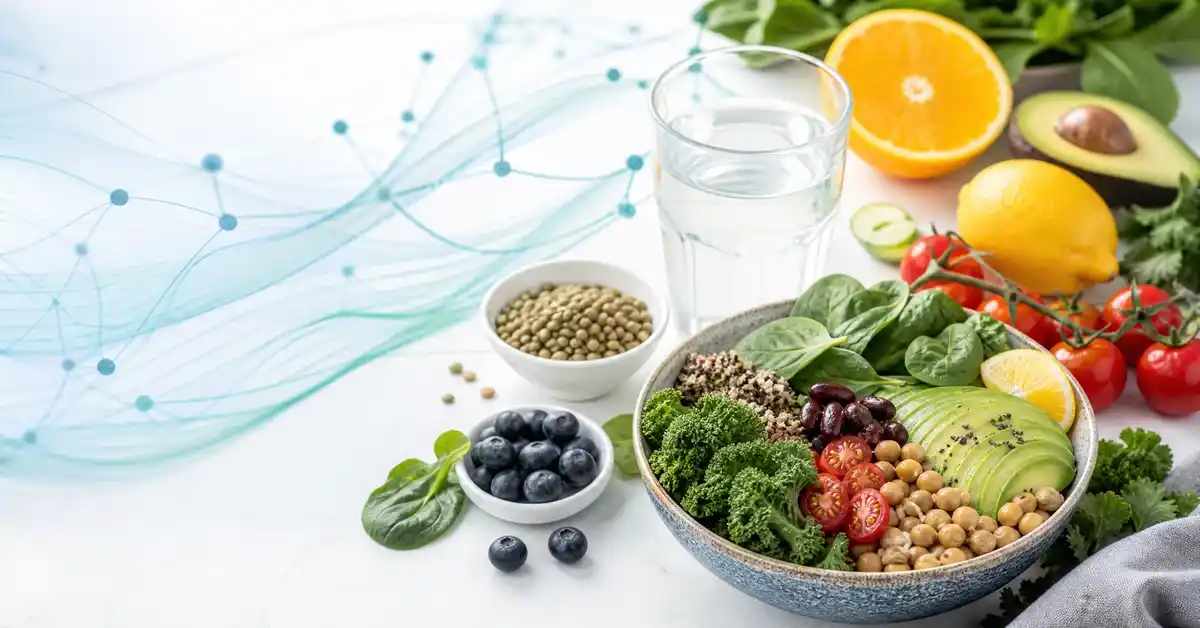
Useful options include berries, apples, pears, citrus fruits, kiwi, leafy vegetables, broccoli, peppers and tomatoes.
Variety is more important than repeatedly eating one "vein-friendly" fruit.
Whole Grains and Legumes
Oats, barley, whole-grain bread, lentils, chickpeas and beans are useful sources of dietary fiber.
Fiber supports bowel regularity and can improve satiety, making weight management easier.
Direct evidence that fiber itself prevents varicose veins is limited, so its value should be understood as part of overall digestive and metabolic health.
Protein and Healthy Fats
Adequate protein supports muscle maintenance, including the leg muscles that contribute to movement and venous return.
Fish, poultry, eggs, legumes and appropriate dairy products can provide protein, while olive oil and nuts can supply unsaturated fats.
A normal balanced diet generally does not require special "vein supplements."
| Food Group | Examples | Practical Role |
|---|---|---|
| High-fiber foods | Oats, lentils, vegetables, fruit | Supports satiety and bowel health |
| Lower-sodium foods | Fresh home-prepared meals | May help reduce fluid retention |
| Colorful produce | Berries, citrus, peppers, leafy greens | Provides vitamins and plant compounds |
| Protein sources | Fish, poultry, eggs, legumes | Supports muscle maintenance |
| Unsaturated fats | Olive oil, nuts | Supports cardiovascular health |
| Water | Individualized intake | Maintains normal hydration |
Fiber, Body Weight and Salt
These factors are more relevant than searching for one particular vitamin for varicose veins.
Maintaining a Healthy Weight
Excess body weight increases the load on the lower-limb venous system and is associated with chronic venous disease.
For people who are overweight, gradual weight loss through sustainable dietary changes and physical activity can improve venous outcomes.
Limiting Salt When Legs Swell
High sodium intake can contribute to fluid retention.
People who notice ankle or leg swelling may benefit from reducing heavily salted processed foods, fast food, cured meats, salty sauces and excessive pickled foods.
Reducing salt is also included among common lifestyle measures for controlling varicose-vein swelling.
Fiber and Appetite Control
High-fiber meals tend to be filling and can make calorie control easier.
This can indirectly support venous health by helping patients maintain a healthier body weight.
Fiber should therefore be viewed as part of a healthy lifestyle rather than a direct treatment for venous reflux.

Drinks and Eating Habits for Vein Health
Daily habits influence the value of an otherwise healthy diet.
Appropriate Hydration
There is no special amount of water proven to prevent varicose veins.
The aim is normal hydration according to climate, activity, age and health status.
People with heart or kidney disease may require individualized fluid limits and should not automatically follow advice to drink very large amounts of water.
Building Balanced Meals
A practical meal can include vegetables, a suitable protein source, a moderate portion of whole grains or other carbohydrates and a small amount of healthy fat.
This pattern is more sustainable than restrictive "detox" diets or juice-based plans.
Move Regularly During the Day
Diet should be combined with movement.
Walking and other appropriate exercise activate the lower-leg muscles and help venous blood return toward the heart.
Regular exercise is recommended as part of conservative management for symptomatic venous disease.
Foods and Habits to Limit
There is no universal forbidden-food list for people with varicose veins, but some patterns make weight and swelling more difficult to control.
High-Sodium Processed Foods
Fast food, processed meats, salty snacks and ready-made sauces may contain large amounts of sodium.
Reducing these foods can be particularly useful when leg swelling is a prominent symptom.
High-Calorie, Low-Nutrient Foods
Frequent sugary drinks, sweets, pastries and fried foods can promote gradual weight gain.
The effect of excess weight on venous health is more important than whether a particular single food is labeled "bad for veins."
Unregulated Herbal Supplements
Some herbal or nutritional products are marketed as circulation boosters.
Certain venoactive preparations have evidence for symptom relief, but evidence quality and formulation differ widely.
Supplements should not replace venous assessment, particularly when swelling, skin discoloration, pain or ulcers are present.
When Diet Is Not Enough for Varicose Veins
Healthy eating supports overall vein care but cannot treat every stage of venous disease.
Symptoms That Need Vein Assessment
Persistent aching or heaviness, recurrent ankle swelling, itching, skin pigmentation, large bulging veins or hardening of the skin should be assessed.
An ulcer near the ankle can indicate more advanced chronic venous disease.
Sudden One-Sided Leg Swelling
Sudden swelling, pain, warmth or discoloration affecting one leg should not simply be attributed to food or ordinary varicose veins.
Urgent medical assessment may be needed to exclude a deep-vein blood clot.
Treating Significant Venous Reflux
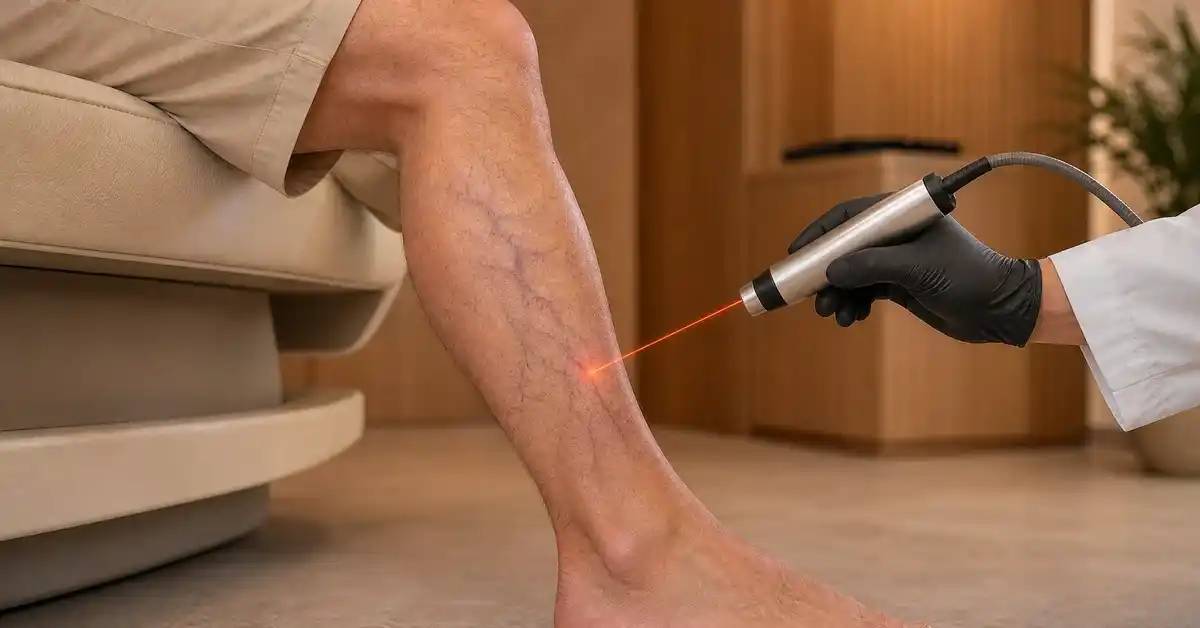
When ultrasound confirms important venous reflux, treatment options may include compression, endovenous procedures, injections or other vein-directed interventions.
Exercise and weight management remain useful, but conservative lifestyle changes cannot mechanically repair all diseased venous valves.
Conclusion
The best diet for varicose veins is a sustainable eating pattern built around vegetables, fruit, whole grains, legumes, appropriate protein and healthy fats while limiting excessive sodium and highly processed foods.
Fiber can support satiety and digestive health, lower sodium intake may help some patients with swelling, and maintaining a healthy weight is one of the most meaningful nutritional goals for venous health.
Food, however, cannot remove an existing varicose vein or repair damaged valves. Persistent pain, swelling, skin changes or prominent varicose veins should therefore be medically assessed rather than treated with diet alone.
Frequently Asked Questions: Best Foods for Varicose Veins and Healthy Leg Veins
Can food make varicose veins disappear?
No. Healthy eating can support weight and symptom control but cannot remove an enlarged vein or repair a damaged valve.
Which fruits are best for vein health?
A variety of fruits such as berries, citrus fruits, apples and kiwi can be included as part of a balanced diet.
Does salt make varicose veins worse?
Excess sodium can increase fluid retention in some people and may make leg swelling more noticeable.
Does drinking more water cure varicose veins?
No. Normal hydration is useful, but extra water does not correct venous reflux.
Can losing weight help varicose veins?
When excess weight is present, weight reduction can reduce pressure on the leg veins and improve venous symptoms.