





Gum health is a key part of oral health because the gums protect the teeth and support them together with the surrounding bone and tissues. When the gums become red, swollen, painful, or start bleeding, this may be an early warning sign of gum disease that should be treated before it becomes more serious.
Most gum problems begin with plaque, a sticky layer of bacteria and food particles that builds up on the teeth and around the gumline. If plaque is not removed through brushing and cleaning between the teeth, it can harden into tartar. Tartar cannot be removed with a toothbrush at home and requires professional dental cleaning.
In early stages, gum inflammation may be easier to treat. Professional cleaning, better brushing, and daily interdental cleaning may be enough to improve the gums. However, if gum disease is ignored, it may progress into periodontitis, a deeper condition that affects the bone and supporting tissues around the teeth.
Bleeding gums should not be considered normal when it happens repeatedly. Visiting a dentist at the right time can help stop gum disease early, protect the teeth, and prevent more complex treatment in the future.
What Is Gum Disease?
Gum disease is inflammation or infection of the tissues surrounding the teeth. In the early stage, it is usually called gingivitis. Gingivitis may cause redness, swelling, tenderness, and bleeding, especially during brushing or flossing.
At first, gum disease may not cause severe pain. This is why many patients ignore the signs until the condition becomes more advanced. If gingivitis is not treated, it can progress into periodontitis, which affects the bone and deeper structures supporting the teeth.
Definition of Gingivitis
Gingivitis is inflammation of the gum tissue caused mainly by bacterial plaque. It commonly appears as bleeding gums, redness, swelling, and tenderness. Some patients may also notice bad breath or an unpleasant taste in the mouth.
Common signs include:
- Bleeding while brushing.
- Bleeding when flossing.
- Red gums.
- Swollen gums.
- Tender gums.
- Bad breath.
- Tartar buildup.
- Gum sensitivity.
When treated early, gingivitis can often improve without permanent damage to the bone or supporting tissues.
Difference Between Gingivitis and Periodontitis
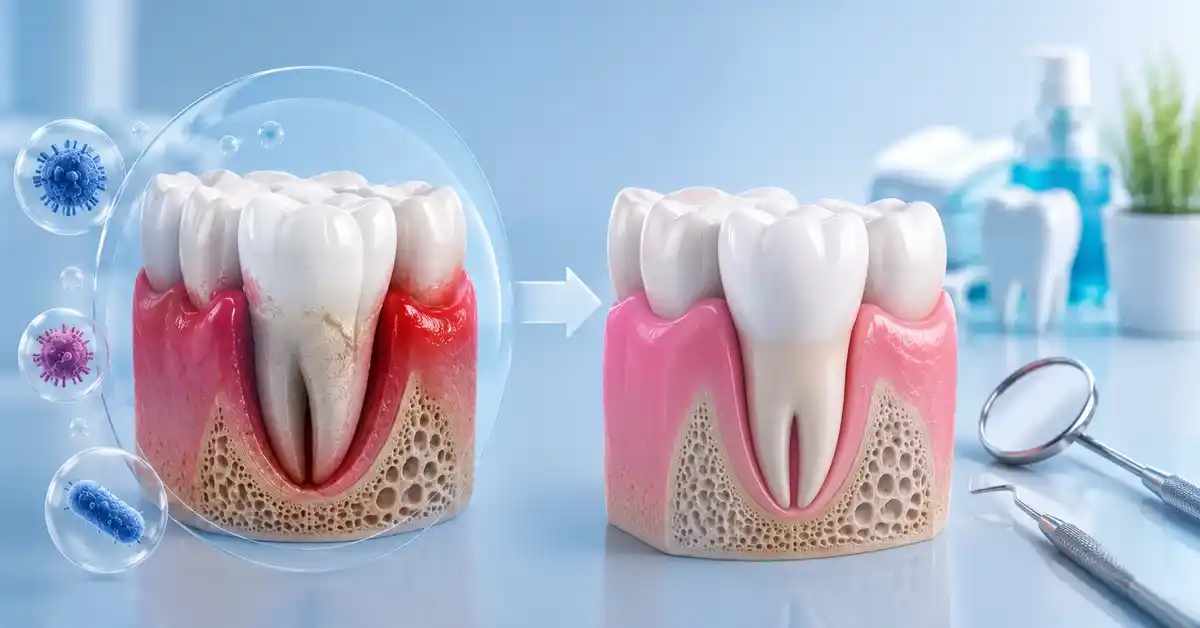
Gingivitis is the early stage of gum disease and usually affects the superficial gum tissue. It can often improve with professional cleaning and better oral hygiene.
Periodontitis is a more advanced form of gum disease. It affects the deeper tissues and bone that support the teeth. It may cause gum pockets, gum recession, loose teeth, pus around the gums, and bone loss on dental X-rays.
The main difference is that gingivitis is often reversible, while periodontitis may cause permanent damage and requires more careful treatment and follow-up.
Causes of Gum Problems
The most common cause of gum problems is plaque and tartar buildup. However, many other factors can increase the risk of gum disease or make inflammation worse. Some people brush daily but still develop gum problems because they do not clean between the teeth properly.
Gum disease severity depends on oral hygiene, general health, smoking, diabetes, genetics, dental restorations, and regular dental visits.
Plaque and Tartar Buildup
Plaque forms constantly on the teeth. It contains bacteria that irritate the gums and trigger inflammation. If plaque remains on the teeth, it hardens into tartar, which sticks to the tooth surface and gumline.
Tartar cannot be removed by normal brushing. It creates a rough surface that allows more bacteria to collect, making gum inflammation worse over time.
Tartar buildup may lead to:
- Bleeding gums.
- Redness and swelling.
- Bad breath.
- Gum recession.
- Gum pockets.
- Periodontitis in advanced cases.
Professional tartar removal is one of the most important steps in gum treatment and prevention.
Risk Factors for Gum Disease
Certain factors increase the risk of gum disease, even when the patient has acceptable oral hygiene. These include smoking, diabetes, pregnancy, hormonal changes, certain medications, dry mouth, weak immunity, and family history.
Risk factors include:
- Smoking.
- Poorly controlled diabetes.
- Pregnancy.
- Hormonal changes.
- Weak immune system.
- Chronic stress.
- Poor nutrition.
- Crowded teeth.
- Poorly fitting crowns or fillings.
- Dry mouth.
- Certain medications.
- Family history of gum disease.
Having a risk factor does not mean gum disease will definitely occur, but it means the patient should be more careful with daily care and dental follow-up.
Symptoms of Gum Disease You Should Not Ignore
Gum disease symptoms may seem mild at first, but they can be important signs of early inflammation. Many patients ignore bleeding or bad breath because they do not feel strong pain. However, absence of pain does not always mean the gums are healthy.
Recognizing symptoms early helps prevent the disease from reaching the bone or causing tooth mobility.
Bleeding and Swollen Gums
Bleeding gums during brushing or flossing are among the most common signs of gum inflammation. A single bleeding episode may happen because of brushing too hard, but repeated bleeding usually suggests gingivitis or tartar buildup.
Swollen gums may look red, puffy, shiny, or tender. In this case, patients should not stop brushing. Instead, they should brush gently and visit a dentist to identify the cause.
Important signs include:
- Repeated bleeding.
- Swelling.
- Tender gums.
- Bleeding while eating.
- Redness around teeth.
- Sensitivity along the gumline.
The solution is to remove the cause of inflammation, not only to use mouthwash temporarily.
Bad Breath and Gum Recession
Persistent bad breath can be a sign of bacterial buildup, gum pockets, or chronic gum inflammation. If bad breath does not improve with brushing, the cause may be gum disease, tartar, tongue coating, or tooth decay.
Gum recession happens when the gum moves away from its normal position and exposes part of the tooth root. This may cause tooth sensitivity, longer-looking teeth, and increased risk of root decay.
Signs that need evaluation include:
- Persistent bad breath.
- Bad taste in the mouth.
- Exposed tooth roots.
- Sensitivity to cold or heat.
- New gaps between teeth.
- Changes in gum shape.
Gum recession does not always return naturally, so early diagnosis is important to stop progression.

Basics of Gum Treatment
Gum treatment depends on the severity of the condition. Mild cases may improve with professional cleaning and improved oral hygiene. More advanced cases may require deep cleaning, periodontal pocket treatment, or referral to a gum specialist.
The goal of treatment is not only to stop bleeding. It is to reduce bacteria, remove tartar, control inflammation, protect the supporting bone, and preserve the teeth.
Professional Tartar Cleaning
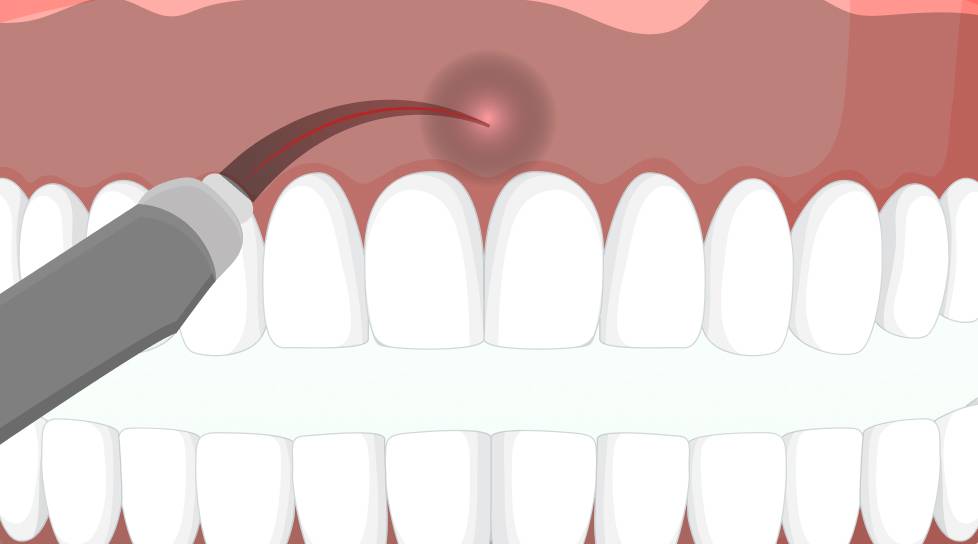
Professional tartar cleaning is often the first step in gum treatment. The dentist or dental hygienist removes hardened deposits from the tooth surface and around the gumline using special instruments.
After tartar removal, gum irritation may decrease, and bleeding may gradually improve over days or weeks depending on the case. However, results depend strongly on home care.
Professional cleaning can help:
- Reduce gum inflammation.
- Reduce bleeding.
- Improve breath.
- Prevent gum pockets from worsening.
- Improve gum appearance.
- Protect the bone supporting the teeth.
Tartar cleaning does not weaken the teeth. It removes harmful deposits that were irritating the gums.
Deep Cleaning and Gum Pocket Treatment
In periodontitis, standard cleaning may not be enough because tartar and bacteria may be present below the gumline inside deeper pockets. In this situation, the dentist may recommend deep cleaning, also known as scaling and root planing.
Deep cleaning removes bacteria and tartar from below the gums and smooths the root surfaces. This helps reduce bacterial buildup and may help gum tissues heal better.
The patient may need:
- More than one session.
- Local anesthesia.
- Follow-up after several weeks.
- Gum pocket measurements.
- A maintenance cleaning program.
- Special home care instructions.
In advanced cases, additional periodontal treatment or surgery may be needed depending on the dentist’s evaluation.
Daily Gum Care at Home
Daily care is the foundation of successful gum treatment. Even after professional cleaning, inflammation can return if plaque builds up again. Gum treatment is not only one dental appointment; it is a continuous daily routine.
Healthy gums need gentle, regular cleaning of the teeth, gumline, and spaces between the teeth. Choosing the right tools is especially important when the patient has gaps, crowns, braces, or gum recession.
Correct Brushing Technique
Patients should brush twice daily using a soft-bristled toothbrush and fluoride toothpaste. The brush should be directed toward the gumline and used with gentle movements. Brushing too hard can injure the gums and contribute to recession.
Important tips include:
- Use a soft toothbrush.
- Avoid strong pressure.
- Brush for two minutes.
- Clean along the gumline.
- Do not forget the back teeth.
- Replace the toothbrush regularly.
- Clean the tongue.
Good brushing is not about force. It is about consistency, technique, and reaching the areas where bacteria collect.
Cleaning Between the Teeth
A toothbrush cannot fully clean the spaces between teeth. This is why floss or interdental brushes should be used daily. Many gum problems begin between teeth where plaque is left behind.
Interdental cleaning tools include:
- Dental floss.
- Interdental brushes.
- Water flosser.
- Special dental picks when appropriate.
If gums bleed when starting flossing, inflammation may already be present. If bleeding continues or flossing is painful, the dentist should check the gums and teach the correct technique.
When Should You Visit a Dentist?
You should visit a dentist when you notice signs of gum inflammation or symptoms that do not improve with home care. Waiting until pain becomes severe may allow the disease to progress.
Early dental care can prevent gum disease from reaching the bone or causing loose teeth. Regular checkups are also important even without symptoms because some gum disease develops silently.
Signs That Need a Dental Visit
A dental visit is recommended when any abnormal gum or tooth sign appears, especially if the symptoms are repeated or last for more than a few days.
Visit a dentist if you have:
- Bleeding gums.
- Swelling or redness.
- Gum pain.
- Persistent bad breath.
- Gum recession.
- Tooth sensitivity.
- Visible tartar buildup.
- Bad taste in the mouth.
- Pain while chewing.
These symptoms may seem mild, but they need evaluation to determine whether the problem is simple gingivitis or early periodontitis.
Urgent Warning Signs
Some symptoms may indicate infection or advanced disease and should not be delayed. In these cases, patients should not rely only on mouthwash or painkillers.
Seek urgent dental care if you have:
- Severe gum or facial swelling.
- Pus from the gums.
- Severe pain.
- Fever or general fatigue.
- Difficulty opening the mouth.
- Difficulty swallowing.
- Sudden tooth looseness.
- Heavy or persistent bleeding.
- Painful gum abscess.
Delaying treatment of infection may allow it to spread or cause more damage around the teeth.
Gum Care for Diabetic Patients and Smokers
Diabetic patients and smokers need special gum care because they are at higher risk of gingivitis and periodontitis. Healing may be slower, and symptoms may be less obvious in smokers because smoking affects blood flow in the gums.
Good blood sugar control, stopping smoking, and regular professional cleaning are very important for protecting the gums and teeth.
Diabetes and Gum Health
Poorly controlled diabetes can increase inflammation and reduce the body’s ability to fight bacteria. This makes the gums more vulnerable to bleeding, swelling, and infection. It may also slow healing after dental treatment.
Important advice for diabetic patients:
- Tell the dentist about diabetes.
- Monitor blood sugar regularly.
- Have professional cleaning regularly.
- Treat infections early.
- Clean between teeth daily.
- Do not delay care when swelling or pus appears.
- Follow up every 3 to 6 months depending on the case.
Gum care in diabetic patients is not only cosmetic. It is part of overall health care.
Smoking and Gum Disease
Smoking is one of the most important risk factors for gum disease. It may reduce visible bleeding, making the patient think the gums are healthy while disease is progressing deeper. Smoking also affects healing after gum treatment.
Smoking may cause:
- Higher risk of periodontitis.
- Slower healing.
- More gum recession.
- Bad breath.
- Tooth staining.
- Higher risk of tooth loss.
- Poorer gum treatment results.
Stopping or reducing smoking is an important step to improve gum treatment outcomes and protect teeth long term.
Preventing Gum Disease
Preventing gum disease is easier and less costly than treating advanced periodontitis. Prevention depends on removing plaque every day, visiting the dentist regularly, and removing tartar before it causes deeper inflammation.
Prevention is not temporary. Even after gum treatment, patients need a maintenance plan to prevent recurrence.
Regular Dental Checkups
Most patients are advised to visit the dentist every 6 months, but some people need more frequent visits. This includes patients with previous periodontitis, diabetes, smoking, or rapid tartar buildup.
Regular checkups help:
- Detect inflammation early.
- Remove tartar.
- Measure gum pockets.
- Monitor gum recession.
- Improve cleaning technique.
- Check crowns and fillings.
- Prevent loose teeth.
The dentist should decide the follow-up schedule based on gum condition, not one fixed rule for all patients.
Lifestyle Habits That Protect the Gums
Lifestyle has a clear effect on gum health. A balanced diet, enough water, reduced sugar, stopping smoking, and controlling chronic diseases all help reduce inflammation and protect the mouth.
Prevention tips include:
- Reduce sugar.
- Drink enough water.
- Avoid smoking.
- Control diabetes.
- Use a soft toothbrush.
- Clean teeth daily.
- Treat cavities early.
- Do not ignore bleeding.
- Have tartar removed regularly.
Small daily habits can prevent bigger problems in the future.
Conclusion
Gum treatment begins with noticing early signs such as bleeding, swelling, persistent bad breath, or gum recession. In early stages, treatment may be simple and include professional cleaning and better home care. In advanced cases, deep cleaning or specialized periodontal treatment may be needed to protect the bone and teeth.
Visiting a dentist at the right time helps prevent gingivitis from progressing into periodontitis and reduces the risk of loose teeth or tooth loss. Daily home care is the most important factor in maintaining treatment results.
Frequently Asked Questions: Basics of Gum Treatment
Are bleeding gums during brushing normal?
No. Repeated bleeding is usually a sign of inflammation or tartar buildup and should be checked by a dentist.
Does tartar cleaning weaken teeth?
No. Tartar cleaning does not weaken teeth. It removes harmful deposits that irritate the gums and damage supporting tissues.
Can gum disease be treated at home only?
Home care is very important, but it is not enough when tartar, gum pockets, or ongoing inflammation are present.
When should I visit a dentist for gum problems?
You should visit a dentist if you have bleeding, swelling, pain, bad breath, gum recession, loose teeth, or pus.
What is the difference between gingivitis and periodontitis?
Gingivitis is an early and often reversible stage. Periodontitis affects the bone and may cause loose teeth.